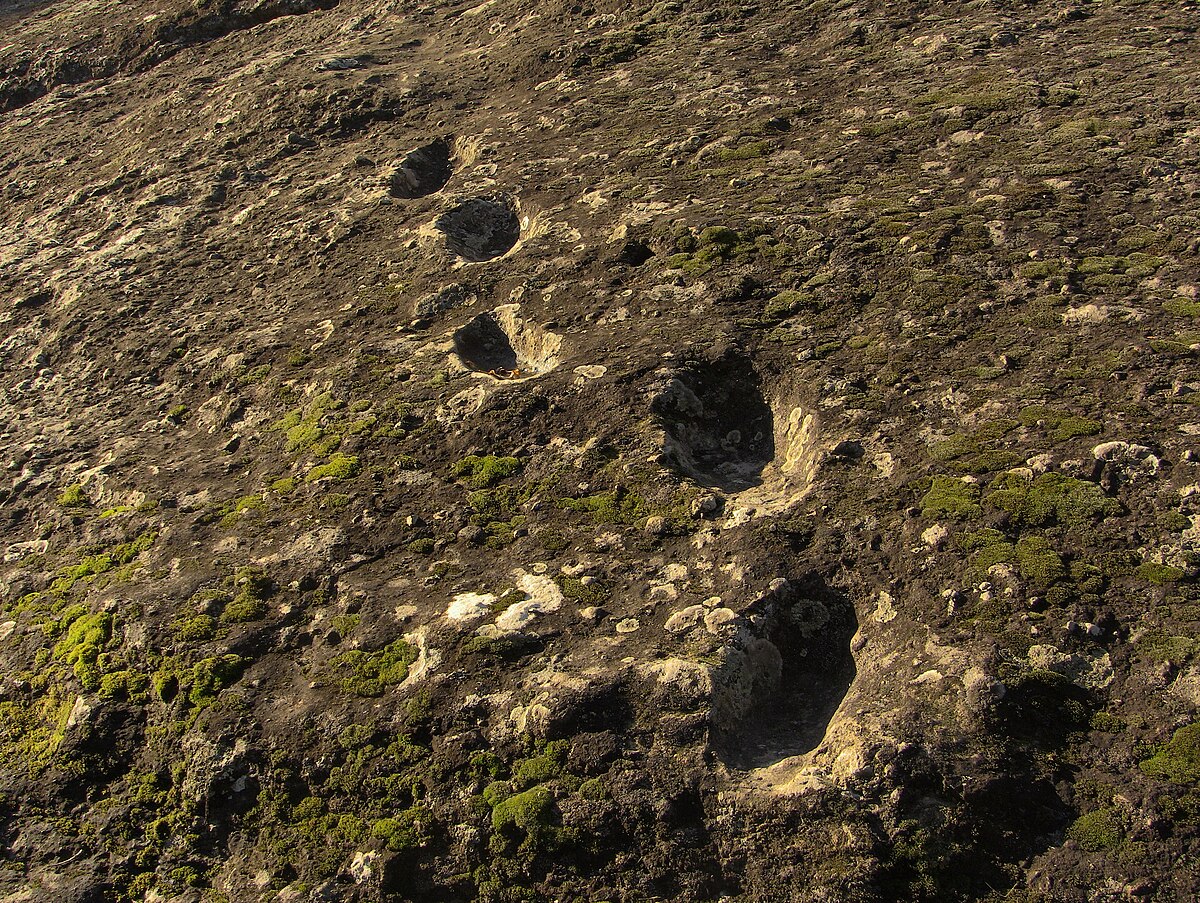


Ciampate del Diavolo
Overview
The Ciampate del Diavolo, translating to “Devil’s Footprints,” is an archaeological site of exceptional importance located in the Campania region of Italy. Situated near the dormant Roccamonfina volcano, this site features evidence of human activity dating back to the Lower Paleolithic era, making it a critical location for understanding early human life in Europe. The site is particularly noted for its well-preserved footprints, which provide valuable insights into the behaviors and movements of ancient hominins.
Discovered in the late 20th century, the Ciampate del Diavolo has drawn the attention of researchers and visitors alike, eager to learn more about our prehistoric ancestors. The landscape surrounding the site is characterized by volcanic features, enhancing its natural allure and offering a dramatic backdrop that complements the archaeological treasures within. As you explore the area, the combination of natural beauty and historical significance creates a unique experience that invites both reflection and discovery.
Visiting Ciampate del Diavolo allows for a deep connection with humanity’s past, as the site serves as a poignant reminder of the early footsteps that shaped our history. The site not only educates visitors about ancient life but also evokes a sense of wonder about the evolution of humankind and our relationship with the environment.
History and Significance
The Ciampate del Diavolo site has provided archaeologists with crucial evidence for studying the behaviors of early human populations. The footprints discovered here are believed to have been made by hominins, possibly related to Neanderthals, who roamed the area thousands of years ago. This site helps to fill in gaps in our understanding of human migration and adaptation during the Paleolithic period.
The discovery of these footprints has significant implications for the study of prehistoric life. They offer insights into the social behaviors, movement patterns, and possibly even the daily activities of early humans. The footprints suggest that these early inhabitants of the region had developed a level of mobility and social interaction, providing a glimpse into their lives and habitats.
As a site of scientific importance, Ciampate del Diavolo continues to be a focal point for research. Archaeologists and anthropologists from around the world are drawn to this location, eager to further explore the implications of the findings. The site emphasizes the importance of preserving our archaeological heritage, as each discovery contributes to the broader narrative of human evolution.
Moreover, the site holds cultural significance for Italy, showcasing the country’s rich prehistoric history. It serves as a reminder of the enduring connection between humans and the landscape, particularly in regions influenced by volcanic activity. The ongoing studies at Ciampate del Diavolo highlight the importance of interdisciplinary collaboration in uncovering the mysteries of our past.
Architecture and Features
The primary feature of Ciampate del Diavolo is the series of footprints embedded in the volcanic ash, which have been remarkably preserved over millennia. These footprints vary in size and depth, indicating a range of individuals, possibly including both adults and children, who traversed this landscape long ago. The precise number of footprints and their arrangement provide valuable data regarding the movements and social structures of these early populations.
In addition to the footprints, the site is characterized by its geological features, shaped by the volcanic activity of the Roccamonfina volcano. The surrounding landscape includes rugged terrain, formed by ancient lava flows and volcanic ash deposits. This unique geology not only adds to the site’s historical intrigue but also presents challenges for preservation and study.
Archaeological excavations at the site are ongoing, with researchers employing various techniques to analyze the footprints and the surrounding materials. The findings from these studies contribute to a broader understanding of early human life in Europe, particularly regarding their adaptation to changing environments and climatic conditions.
While the site itself may not feature traditional architectural elements, the combination of natural and archaeological features creates a compelling narrative about the human experience in this region. Visitors to Ciampate del Diavolo can appreciate the significance of both the footprints and the geological context, making for a unique exploration of our ancient heritage.
Visiting Information
To visit Ciampate del Diavolo, travelers can access the site from various points in Campania, with the nearest major town being Roccamonfina. The site is located at coordinates 41.332533, 14.024577, providing a picturesque setting amid the volcanic landscape. Visitors can reach the area via car or public transport, though options may vary. It is advisable to check local transport schedules for the most convenient routes.
The site itself has limited facilities, so visitors should plan accordingly. Check the official website for current information regarding hours of operation and ticket prices. It is recommended to allocate at least a few hours to fully appreciate the site and its surroundings, as the combination of archaeological exploration and natural beauty can be captivating.
The best times to visit Ciampate del Diavolo are during the spring and fall months when the weather is typically pleasant, allowing for comfortable exploration of the area. Summer can be hot, and winter may present challenges due to colder temperatures and potential weather-related issues.
When visiting, be prepared for walking on uneven terrain, so sturdy footwear is recommended. Additionally, bringing water and snacks can enhance the experience, as there may be limited amenities on site.
Nearby Attractions
- Roccamonfina Volcano: Explore the remnants of this extinct volcano, known for its scenic landscapes and hiking opportunities.
- Parco Regionale di Roccamonfina: This regional park offers a wealth of outdoor activities, including hiking, birdwatching, and enjoying the diverse flora and fauna.
- Castello di Roccamonfina: Visit this historic castle, which provides insight into the area’s medieval past and offers panoramic views of the surrounding landscape.
- Museo Archeologico di Teano: Located not far from Ciampate del Diavolo, this museum showcases archaeological finds from the region, enhancing the context of your visit.
- The Abbey of San Salvatore: A historical site not far from Roccamonfina, this abbey features stunning architecture and offers a glimpse into the region’s religious history.
Insider Tips
For optimal photography, visit early in the morning or late in the afternoon when the lighting is softer. The unique geological features and the footprints create fascinating subjects for photography enthusiasts. To avoid crowds, consider visiting during weekdays or in the shoulder seasons of spring and fall, when tourism is generally lower.
Additionally, prepare for the possibility of limited cell service in the area, so downloading maps and information ahead of time can be helpful. Engaging with local guides can also enrich your experience, providing deeper insights into the site’s significance and history.
Practical Information
When planning your visit to Ciampate del Diavolo, it’s essential to wear comfortable clothing suitable for outdoor activities. Sturdy shoes are recommended due to the uneven terrain. Given the site’s natural setting, consider bringing sunscreen and insect repellent, especially during warmer months.
Seasonal considerations are important; summers can be hot, while winters may bring chilly weather. Be sure to check the local forecast before your visit, as this may influence your experience.
Prepare for limited amenities, so pack snacks and drinks to ensure a pleasant outing. As always, check the official website for up-to-date information on visiting hours, ticketing, and any specific guidelines or recommendations.
Frequently Asked Questions
How long should I spend visiting?
A visit to Ciampate del Diavolo typically requires 2 to 3 hours to explore the site and its surroundings adequately.
Is photography allowed?
Yes, photography is generally permitted, but be respectful of the site and its natural features.
Are there guided tours?
Check the official website for information on guided tours, as availability may vary.
What’s the best time to visit?
The best times to visit are during spring and fall when the weather is usually mild and comfortable for outdoor exploration.
Is it wheelchair accessible?
The site may have limitations regarding accessibility due to its natural terrain. It’s advisable to check with the official site for specific accessibility information.
Can I buy tickets online?
Check the official website for information on ticket purchasing options, including online availability.
Are there restrooms and cafes?
Facilities may be limited at the site, so it’s recommended to plan ahead and bring necessary items.
What should I wear?
Wear comfortable outdoor clothing and sturdy shoes suitable for walking on uneven terrain. Seasonal attire is also recommended based on the weather conditions.
Photo Gallery
More in campania
18th-Century Royal Palace at Caserta with the Park, the Aqueduct of Vanvitelli, and the San Leucio Complex
📍 campania, Italy
The 18th-Century Royal Palace at Caserta, a UNESCO World Heritage site in Campania, Italy, is renowned for its stunning architecture, expansive …

Abbey of La Trinità della Cava
📍 campania, Italy
The Abbey of La Trinità della Cava is a historic monastery located in Campania, Italy, celebrated for its serene ambiance and architectural beauty.

Abella
📍 campania, Italy
The archaeological site of Abella in Campania, Italy, is an ancient human settlement known for its historical significance and cultural heritage.

Abellinum
📍 campania, Italy
Abellinum is an archaeological site in Atripalda, Italy, known for its ancient ruins that reveal insights into Roman settlement and urban planning.

Acerenza Cathedral
📍 campania, Italy
Acerenza Cathedral is a historic church located in Acerenza, Italy, renowned for its architectural beauty and cultural significance in the region of …

Acerra Cathedral
📍 campania, Italy
Acerra Cathedral is a historic church building located in Acerra, Campania, Italy, renowned for its architectural features and cultural significance …
More Archaeological Site

Abbazia di Santa Maria di Corazzo
📍 calabria, Italy
The Abbazia di Santa Maria di Corazzo is an archaeological site located in Carlopoli, Calabria, Italy, renowned for its historical significance and …
Abella
📍 campania, Italy
The archaeological site of Abella in Campania, Italy, is an ancient human settlement known for its historical significance and cultural heritage.
Abellinum
📍 campania, Italy
Abellinum is an archaeological site in Atripalda, Italy, known for its ancient ruins that reveal insights into Roman settlement and urban planning.

Aeculanum
📍 campania, Italy
Aeculanum is an archaeological site in Campania, Italy, known for its remnants of an ancient town that offer insight into early Roman urban life.
Aesernia
📍 molise, Italy
Aesernia is an ancient Roman archaeological site located in Molise, Italy, renowned for its well-preserved ruins that reflect the grandeur of Roman …

Alba Fucens
📍 lazio, Italy
Alba Fucens is an ancient archaeological site in Lazio, Italy, known for its well-preserved ruins that reflect the grandeur of a once-thriving Roman …