
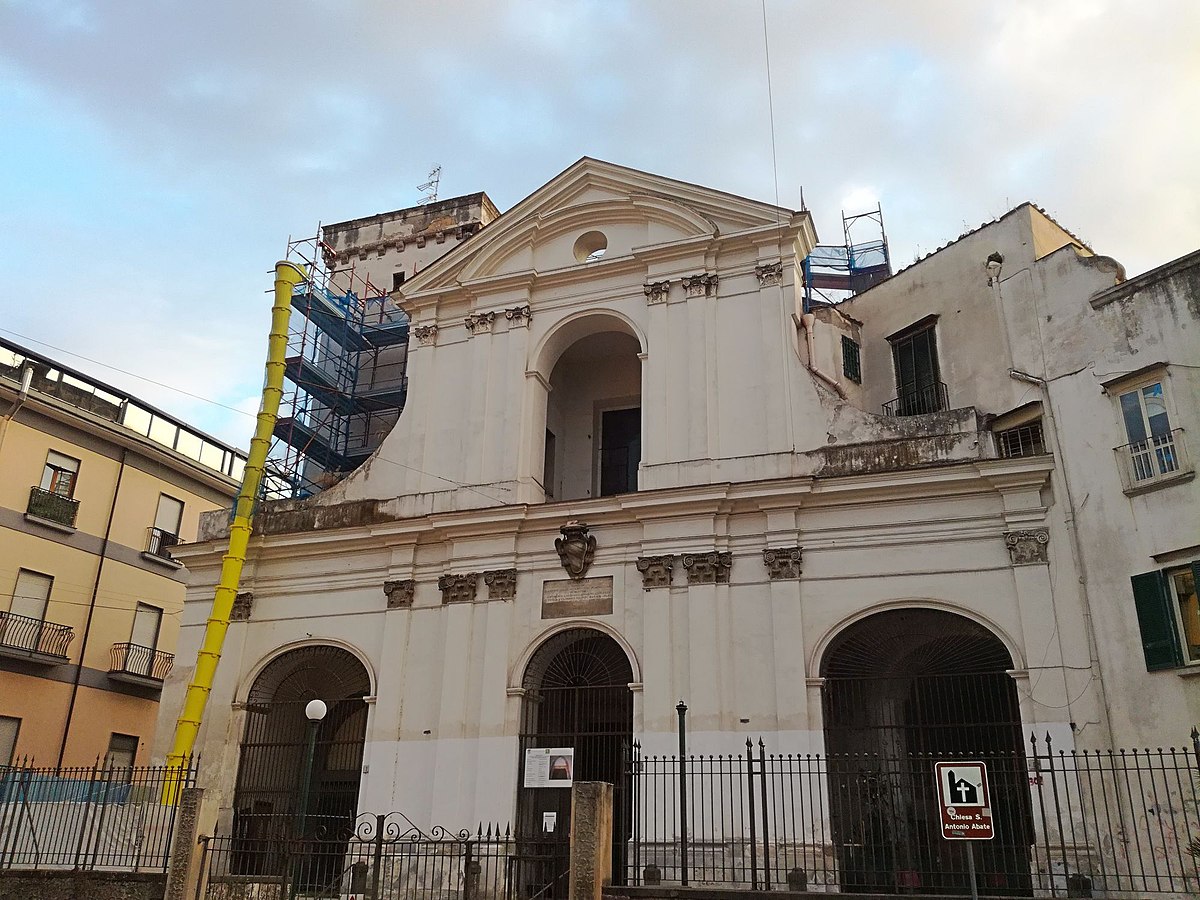


Church of Sant'Antonio Abate
Overview
The Church of Sant’Antonio Abate stands at the beginning of its namesake village in Campania, Italy, a place steeped in religious history and local culture. This ancient church draws visitors not only for its spiritual ambiance but also for its integral role in the community of Naples. As one of the region’s historical ecclesiastical sites, it serves as a focal point for both worship and cultural gatherings. The church’s architecture and art reflect the evolution of religious practices and local traditions over the centuries.
Visiting the Church of Sant’Antonio Abate offers a unique opportunity to connect with the area’s heritage, where the sacred meets the historical. Its presence is felt beyond just its walls; the church is a witness to the lives and stories of countless individuals who have gathered here for worship and community events. This guide aims to provide an in-depth look at the church’s history, architectural features, and essential visitor information for those who wish to explore this significant landmark.
History and Significance
The Church of Sant’Antonio Abate has long been a pillar of the local community in Naples, reflecting the area’s cultural and religious evolution. While specific dates regarding its founding and architectural changes may not be documented, the church is known to have played a crucial role throughout various periods in Naples’ history. As a place of worship dedicated to Saint Anthony the Abbot, a figure revered since the early Christian era, it embodies the spiritual devotion of the villagers.
Over the years, the church has served not only as a site for individual devotion but also as a venue for community gatherings, celebrations, and local festivals. These events foster a sense of unity among the residents, highlighting the church’s importance in nurturing community ties. Furthermore, the Church of Sant’Antonio Abate represents the broader narrative of Christianity’s evolution in Italy, illustrating how local architecture and traditions have blended with religious practices.
As visitors step inside, they encounter a space that has witnessed centuries of prayer and reflection. The rituals and traditions upheld within its walls contribute to the rich cultural fabric of the region, making it a site of both spiritual importance and historical significance.
Architecture and Features
The architecture of the Church of Sant’Antonio Abate is reflective of the ecclesiastical styles that have evolved in Naples over the centuries. As you approach the church, its facade presents a modest yet inviting appearance, characteristic of many ancient churches in Italy. The structure is constructed from local materials, embodying the craftsmanship and artistic style prominent in the region.
Inside, visitors will find a serene and reverent atmosphere. The interior is adorned with religious iconography, including paintings and sculptures that depict scenes from the life of Saint Anthony and other saints. These artworks not only serve a decorative purpose but also enhance the spiritual experience for worshippers and visitors alike.
The layout of the church typically follows traditional patterns found in many Italian churches, featuring a nave, aisles, and an altar that draws the eye. Attention to detail in the design and decoration reflects the dedication of those who have maintained the site over the years. Key architectural elements, such as arches and columns, contribute to the church’s sense of timelessness and stability.
Moreover, the church’s location at the edge of the village allows for a picturesque view of the surrounding landscape, further adding to the sense of peace that envelops this sacred space.
Visiting Information
Visiting the Church of Sant’Antonio Abate is a rewarding experience for anyone interested in religious history and architecture. To reach the church, visitors can utilize public transport or drive, with various options available in the vicinity. Check the official website for current information regarding hours of operation and any potential entry fees.
The church is open to the public, and visitors can expect to spend around 30 minutes to an hour exploring the interior and exterior. It is advisable to visit during weekdays to experience a quieter atmosphere, as weekends may attract more visitors attending services or events.
When planning your visit, consider the time of year. Spring and early autumn are particularly pleasant, with milder temperatures and beautiful natural surroundings. The church may also host special events or services during religious holidays, which can enhance your experience.
Nearby Attractions
After visiting the Church of Sant’Antonio Abate, there are several nearby attractions worth exploring:
The Village of Sant’Antonio Abate: Stroll through the charming village that shares its name with the church, where local shops and cafés offer a taste of authentic Italian culture.
Naples National Archaeological Museum: A short drive away, this museum houses an extensive collection of artifacts from ancient Rome and Pompeii, providing context to the region’s rich history.
Mount Vesuvius: Located just a short distance from Naples, this famous volcano offers hiking opportunities and stunning views of the Bay of Naples.
Herculaneum: Another archaeological site near Naples, Herculaneum is less crowded than Pompeii and provides insight into life during the Roman Empire.
The Amalfi Coast: A bit further afield, the breathtaking scenery and picturesque villages along the Amalfi Coast make for an ideal day trip.
Insider Tips
To make the most of your visit to the Church of Sant’Antonio Abate, consider these insider tips:
Photography: While taking photos is generally allowed, be respectful of worshippers and private moments. Early morning visits may provide better lighting for photographs.
Crowd Avoidance: To avoid larger crowds, plan your visit during weekday mornings. This will give you a more intimate experience of the church.
Practical Information
When preparing for your visit to the Church of Sant’Antonio Abate, keep the following practical considerations in mind:
What to Bring: A small bag for personal items is recommended, along with a camera if you’re interested in capturing the church’s beauty. Dress modestly, respecting the religious setting.
Seasonal Considerations: The best times to visit are spring and early autumn due to pleasant weather, but be prepared for the possibility of rain in the fall.
Frequently Asked Questions
How long should I spend visiting?
You should plan to spend about 30 minutes to an hour to fully appreciate the church and its surroundings.
Is photography allowed?
Photography is generally permitted, but be mindful of other visitors and any signs indicating restrictions.
Are there guided tours?
Currently, there are no dedicated guided tours; however, you can enjoy the church at your own pace.
What’s the best time to visit?
Visiting during the weekday mornings is ideal for a quieter experience, while spring and fall offer the best weather.
Is it wheelchair accessible?
Check for specific accessibility options as facilities may vary; the church may have some limitations.
Can I buy tickets online?
Currently, check the official website for current information regarding entry fees and ticketing options.
Are there restrooms and cafes?
Restroom facilities may be limited, so plan accordingly. Local cafes can be found in the village nearby.
What should I wear?
Dress modestly, as this is a place of worship. Comfortable shoes are recommended for exploring the area.
Photo Gallery
More in campania
18th-Century Royal Palace at Caserta with the Park, the Aqueduct of Vanvitelli, and the San Leucio Complex
📍 campania, Italy
The 18th-Century Royal Palace at Caserta, a UNESCO World Heritage site in Campania, Italy, is renowned for its stunning architecture, expansive …

Abbey of La Trinità della Cava
📍 campania, Italy
The Abbey of La Trinità della Cava is a historic monastery located in Campania, Italy, celebrated for its serene ambiance and architectural beauty.

Abella
📍 campania, Italy
The archaeological site of Abella in Campania, Italy, is an ancient human settlement known for its historical significance and cultural heritage.

Abellinum
📍 campania, Italy
Abellinum is an archaeological site in Atripalda, Italy, known for its ancient ruins that reveal insights into Roman settlement and urban planning.

Acerenza Cathedral
📍 campania, Italy
Acerenza Cathedral is a historic church located in Acerenza, Italy, renowned for its architectural beauty and cultural significance in the region of …

Acerra Cathedral
📍 campania, Italy
Acerra Cathedral is a historic church building located in Acerra, Campania, Italy, renowned for its architectural features and cultural significance …
More Church Building

Abbazia della Misericordia
📍 veneto, Italy
The Abbazia della Misericordia is a historic former church and abbey in Venice, Italy, renowned for its architectural significance and rich cultural …

Abbazia di Nostra Signora di Paulis
📍 sardinia, Italy
Abbazia di Nostra Signora di Paulis is a historic church building located in Ittiri, Sardinia, Italy, celebrated for its architectural charm and …

Abbazia di Pomposa
📍 veneto, Italy
The Abbazia di Pomposa is a historic church building located in Pomposa, Codigoro, Italy, known for its architectural features and serene atmosphere.

Abbazia di San Gaudenzio
📍 tuscany, Italy
The Abbazia di San Gaudenzio is a historic abbey located in San Gaudenzio, Tuscany, Italy, notable for its architectural elegance and spiritual …

Abbazia di Santa Maria
📍 sicily, Italy
Abbazia di Santa Maria is a historic church building located in Novara di Sicilia, Sicily, Italy, known for its architectural beauty and cultural …

Abbazia di Santa Maria a Cerrate (Lecce)
📍 apulia, Italy
The Abbazia di Santa Maria a Cerrate is an ancient church building located in Lecce, Italy, renowned for its historical significance and architectural …