


Chienti
Overview
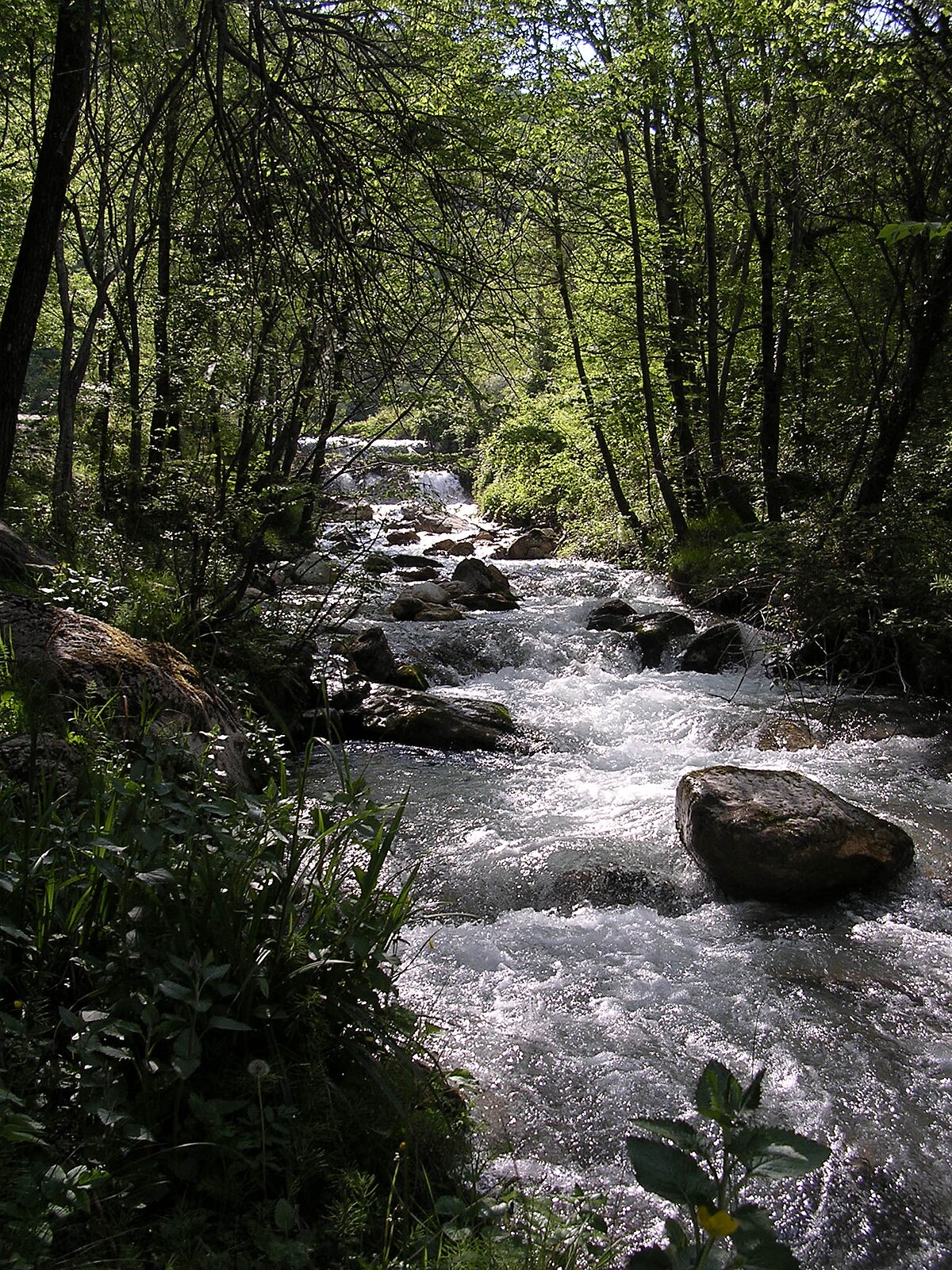
The Chienti River flows gracefully through the heart of the Marche region, providing not only a vital water source but also a significant cultural and ecological asset. Meandering through lush valleys and picturesque towns, this river is integral to the heritage of the area, shaping both the landscape and the lives of the communities along its banks. The Chienti offers a tranquil escape for nature lovers, hikers, and those wishing to connect with the serene beauty of Italy’s riverside environments. With its origins traced to the Apennine Mountains and flowing into the Adriatic Sea, the Chienti is not merely a waterway; it embodies the spirit of the region, reflecting the interplay between nature and human activity over centuries.
This river is not only a natural wonder but also a witness to the historical developments of the region, providing insights into the agricultural practices and settlement patterns that have evolved over time. Visitors to the Chienti can expect a blend of natural beauty, rich cultural heritage, and recreational opportunities that make it a worthwhile destination for both locals and tourists alike.
History and Significance
The Chienti River has played a crucial role in the history of the Marche region. Its waters have been a lifeline for settlements that have sprung up along its banks, supporting agriculture and trade throughout the centuries. The river’s historical significance is intertwined with the development of local communities, influencing everything from farming practices to transportation routes.
In ancient times, the Chienti likely served as a natural boundary and resource for the peoples inhabiting the region. Over the years, it has supported various forms of industry, particularly in agriculture, where the fertile lands along its banks have been cultivated for centuries. The river has also witnessed historical events that shaped the Marche region, providing context to the local culture and identity.
As urbanization has increased, the Chienti continues to be a crucial natural resource, inspiring conservation efforts and fostering a deeper appreciation for the environment. The river is a reminder of the importance of balancing development with the preservation of natural heritage.
Architecture and Features
The Chienti River is characterized by its winding paths and tranquil waters, framed by verdant hills and rustic landscapes. While the river itself is the primary feature, the surrounding area is dotted with charming villages and historical sites that enhance its allure.
The banks of the Chienti are often lined with trees and shrubs, providing habitats for various wildlife. The river’s ecosystem is rich, supporting a diversity of flora and fauna, making it an ideal location for nature enthusiasts and bird watchers.
Noteworthy features along the river include old mills and bridges, remnants that speak to the region’s agricultural heritage and the historical importance of the river as a means of transportation. These structures, while not monumental in scale, contribute to the scenic beauty of the area and offer visitors a glimpse into the traditional ways of life that have persisted over generations.
Visiting Information
Visiting the Chienti River provides a unique opportunity to experience the natural beauty and cultural richness of the Marche region. The best way to explore the area is by car or bicycle, as this allows for flexibility in accessing various points along the river.
Check the official website for current information regarding any specific visitor centers or guided tours that may be available. Depending on your interests, visitors might spend a few hours to a full day exploring the river and its surroundings.
The spring and autumn months are particularly pleasant for outdoor activities, with mild weather and stunning foliage. However, each season offers its own unique charm, from the vibrant greens of summer to the serene, reflective qualities of winter.
Nearby Attractions
- Macerata: A historic town known for its stunning architecture and the famous Sferisterio, an open-air arena that hosts concerts and opera performances.
- Tolentino: Features the stunning Basilica di San Nicola and the historical center, rich in art and culture.
- Fiastra Abbey: A serene site with beautiful landscapes and a historic abbey, perfect for a peaceful retreat.
- Recanati: The birthplace of the poet Giacomo Leopardi, this town is filled with artistic heritage and scenic views.
- Cingoli: Known as the “Balcony of Marche,” Cingoli offers breathtaking views and charming streets.
Insider Tips
For photography enthusiasts, the early morning or late afternoon light provides the best conditions for capturing the river’s beauty. Aim to visit during weekdays to avoid the larger crowds often seen on weekends. Exploring less frequented paths along the river can lead to serene spots ideal for relaxation and contemplation.
Practical Information
When visiting the Chienti, consider wearing comfortable clothing and sturdy shoes, especially if you plan to hike along the river’s trails. Bring water and snacks, as amenities may be limited in certain areas. Seasonal considerations include preparing for rain in the spring and fall, while summer can be hot, making early morning visits more enjoyable.
Frequently Asked Questions
How long should I spend visiting?
A visit to the Chienti River can range from a few hours to an entire day, depending on your interests and activities planned.
Is photography allowed?
Yes, photography is allowed, and the scenic landscapes provide excellent opportunities for capturing stunning images.
Are there guided tours?
Check the official website for current information on any available guided tours that may enhance your visit.
What’s the best time to visit?
The best times to visit are during spring and autumn for mild weather and beautiful natural scenery.
Is it wheelchair accessible?
Accessibility can vary by location along the river, so it’s advisable to check specific areas for wheelchair access.
Can I buy tickets online?
Check the official website for information regarding any ticketed areas or events along the river.
Are there restrooms and cafes?
Amenities may be limited in certain areas, so it’s best to plan accordingly and bring supplies if needed.
What should I wear?
Wear comfortable clothing and sturdy shoes suitable for outdoor exploration, and consider weather conditions when dressing for your visit.
Photo Gallery
More in marche
Ambro
📍 marche, Italy
The Ambro River is a picturesque waterway in the Marche region of Italy, known for its serene landscapes and ecological significance.

Ancient Ostra
📍 marche, Italy
Ancient Ostra is an archaeological site located in Marche, Italy, notable for its remnants of an ancient Roman city that offers insights into …

Ancona
📍 marche, Italy
Ancona is a historic city in the Marche region of Italy, renowned for its stunning coastal views and significant maritime heritage.

Antiquarium of Palazzone
📍 marche, Italy
The Antiquarium of Palazzone is a museum located in Perugia, Italy, renowned for its collection of artifacts that showcase the region's rich …
Archivio Diocesano e Biblioteca dell'Arcidiocesi di Pesaro
📍 marche, Italy
The Archivio Diocesano e Biblioteca dell'Arcidiocesi di Pesaro is a conservation library in Marche, Italy, renowned for its extensive collection of …
Archivio e Biblioteca della Cattedrale di S. Rufino (Duomo)
📍 marche, Italy
The Archivio e Biblioteca della Cattedrale di S. Rufino (Duomo) is a historical library and archive located in Assisi, Italy, renowned for its rich …
More River

Adige
📍 trentino-alto-adige, Italy
The Adige is a prominent river in northern Italy's Trentino-Alto Adige region, celebrated for its stunning landscapes and cultural significance.

Adigetto
📍 veneto, Italy
Adigetto is a serene river located in the Veneto region of Italy, known for its tranquil waters and natural beauty, offering a peaceful retreat for …
Afra
📍 tuscany, Italy
The Afra is a river in Tuscany, Italy, recognized for its tranquil waters and scenic surroundings that embody the natural beauty of the Italian …
Agamo
📍 lombardy, Italy
The Agamo is a river in Lombardy, Italy, known for its serene waters and the scenic landscapes it traverses, offering a tranquil escape into nature.
Agna
📍 tuscany, Italy
The Agna River is a serene waterway in Tuscany, Italy, known for its picturesque surroundings and the tranquil landscapes it traverses.

Agno
📍 veneto, Italy
The Agno River is a picturesque waterway in Veneto, Italy, recognized for its serene landscape and cultural significance in the region.