


Chiascio
Overview
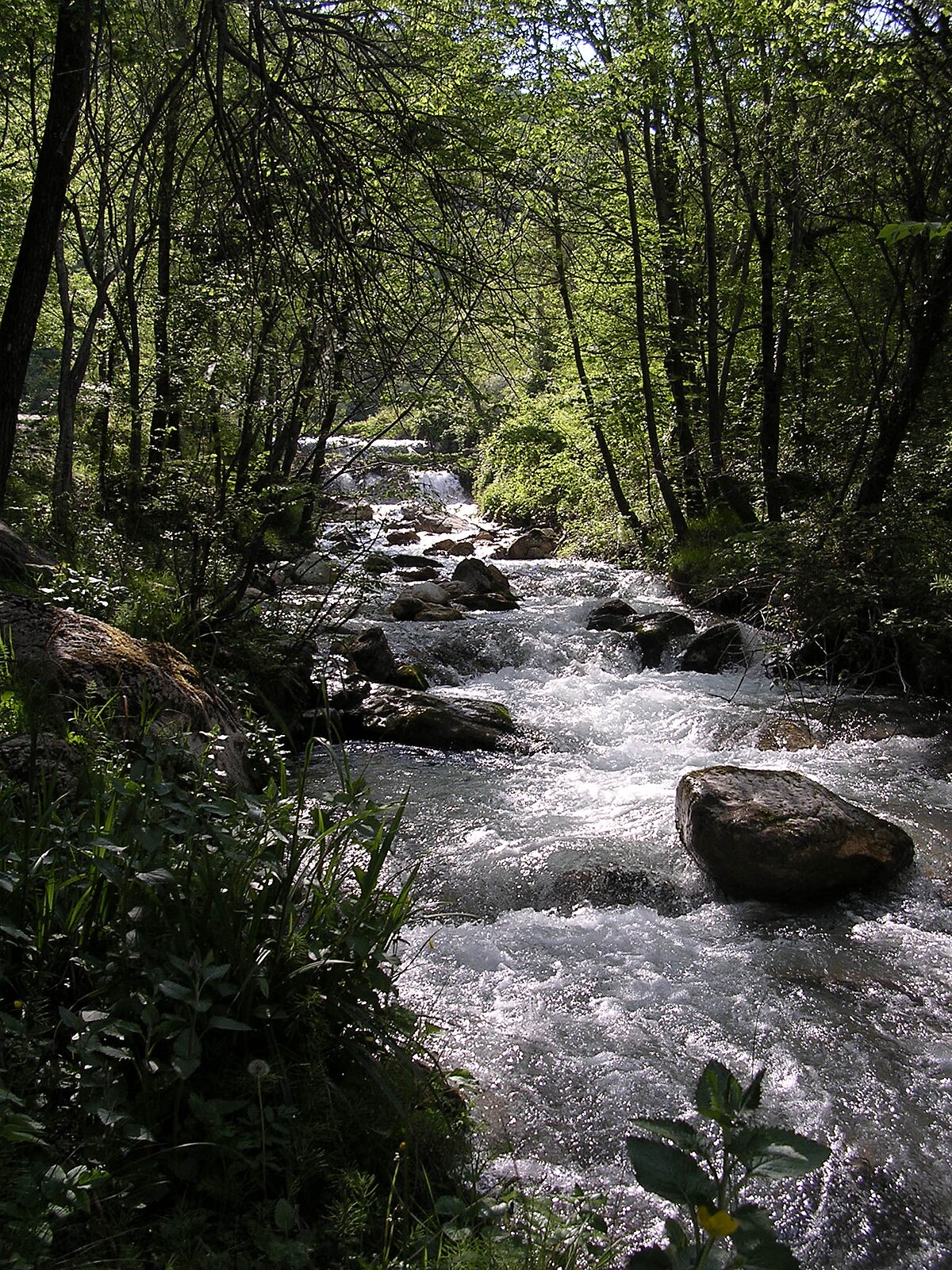
The Chiascio River, located in the heart of the Marche region of Italy, is a captivating waterway that flows through a landscape dotted with historical towns and natural beauty. This river, which is a tributary of the Tiber, offers visitors a glimpse into the tranquil rural life of the area while also serving as a vital resource for agriculture and ecology. With its origins in the Apennine Mountains, the Chiascio meanders through lush valleys, providing a habitat for diverse flora and fauna and creating a serene environment for outdoor activities.
The river is significant not only for its natural beauty but also for its cultural importance, having played a role in the settlement patterns and agricultural practices of the region. The surrounding areas are rich with history, including ancient towns that have thrived alongside the river for centuries. Whether you are an outdoor enthusiast seeking adventure or a history buff looking to explore the heritage of Marche, the Chiascio River presents an inviting destination filled with opportunities for exploration and appreciation.
History and Significance
The Chiascio River has been an integral part of the Marche region’s history for centuries. Its waters have supported the local economy and agriculture, providing irrigation for crops and sustaining livestock. The river has also influenced settlement patterns, with various towns and villages emerging along its banks. These settlements have their own unique histories, often going back to medieval times when they served as strategic locations for trade and defense.
The river’s importance can be traced back to its role in the development of the surrounding areas. The fertile lands near the Chiascio have been cultivated for generations, with agriculture shaping the local culture and community. The region’s rich agricultural heritage is still evident today, as many local products, such as cheeses and wines, are produced in proximity to the river.
Additionally, the Chiascio River has been a source of inspiration for artists and poets throughout history. Its scenic beauty has captured the imagination of many, leading to its representation in various forms of art and literature. This cultural significance enhances the river’s appeal, making it a site where nature and creativity intertwine.
Architecture and Features
While the Chiascio River itself is primarily a natural feature, its surroundings are dotted with architectural landmarks that reflect the history and culture of the region. Bridges spanning the river, both ancient and modern, showcase the engineering ingenuity of different eras. These structures not only facilitate transportation but also offer picturesque views of the river and the landscape beyond.
The banks of the Chiascio are lined with charming villages and towns, each with its own architectural style. Historic churches, medieval fortifications, and traditional stone houses can be found in towns like Gubbio and Assisi, which are located nearby. These buildings, often constructed from local materials, blend seamlessly into the natural environment, creating a harmonious relationship between human habitation and the river.
The river itself features various natural elements, including pools, rapids, and tranquil stretches that change character throughout its course. This diversity in the river’s physical features contributes to its ecological richness and makes it a popular spot for outdoor activities such as fishing, kayaking, and hiking along its banks.
Visiting Information
Reaching the Chiascio River is relatively straightforward, with several access points available throughout the Marche region. The river is easily accessible from major towns and cities, and visitors can explore various sections by car or public transport. Given its location, it is advisable to check local transportation schedules to ensure a smooth journey.
When planning a visit, it’s important to check the official website for current information regarding any potential activities or events along the river. Visitors can expect to enjoy a range of outdoor experiences, including hiking trails that provide scenic views of the river and its surroundings. The best times to visit are during the spring and autumn months, when the weather is pleasant, and the natural scenery is at its most vibrant.
Depending on your interests, you may want to allocate a few hours to a full day to fully appreciate the river and its surroundings. Consider combining your visit with exploration of nearby towns, allowing for a more enriching experience.
Nearby Attractions
- Gubbio: This medieval town is famous for its well-preserved architecture and historical significance. Notable attractions include the Palazzo dei Consoli and the Roman Theater.
- Assisi: Known as the birthplace of St. Francis, Assisi is a UNESCO World Heritage Site. The Basilica di San Francesco is a major pilgrimage destination adorned with beautiful frescoes.
- Foligno: This charming town offers a vibrant local culture and several historical sites, including the Cathedral of San Feliciano and the Palazzo Trinci.
- Monte Subasio: A natural park offering stunning views and hiking opportunities, this mountain is located near Assisi and provides a great backdrop for outdoor activities.
- Spello: Famous for its picturesque streets and flower festivals, Spello is a small village with a rich heritage, including ancient Roman ruins and beautiful churches.
Insider Tips
For the best photography opportunities, visit the Chiascio River early in the morning or late in the afternoon when the sunlight casts a warm glow on the landscape. The reflections on the water can create stunning images, especially at sunrise or sunset.
To avoid crowds, consider visiting during weekdays or outside of peak tourist seasons. Exploring the river during off-peak hours allows for a more tranquil experience, letting you fully immerse yourself in the natural beauty and serenity of the area.
Practical Information
When planning your visit to the Chiascio River, it is advisable to bring essentials such as water, snacks, sunscreen, and comfortable hiking shoes. Depending on the season, dressing in layers can help you adapt to changing weather conditions.
The spring and autumn months are particularly pleasant for outdoor activities, while summer can offer opportunities for swimming and water sports, although it may be busier with tourists. In winter, the area can be quieter, providing a different perspective of the landscape. Be sure to check the official website for any seasonal events or local activities that may enhance your visit.
Frequently Asked Questions
How long should I spend visiting?
A few hours up to a full day is recommended, especially if you plan to explore nearby towns.
Is photography allowed?
Yes, photography is encouraged, especially to capture the scenic landscapes along the river.
Are there guided tours?
While specific guided tours may not be available, local tourist information centers can provide guidance and maps for self-guided explorations.
What’s the best time to visit?
Spring and autumn are ideal for enjoying pleasant weather and vibrant scenery.
Is it wheelchair accessible?
Accessibility can vary by location; check specific sites along the river for wheelchair access.
Can I buy tickets online?
Check the official website for information regarding any potential ticketed activities or events.
Are there restrooms and cafes?
Facilities may be limited along the river, so it’s advisable to plan ahead and visit nearby towns for amenities.
What should I wear?
Dress comfortably for outdoor activities, consider layers for changing weather, and wear sturdy footwear for walking or hiking.
Photo Gallery
More in marche
Ambro
📍 marche, Italy
The Ambro River is a picturesque waterway in the Marche region of Italy, known for its serene landscapes and ecological significance.

Ancient Ostra
📍 marche, Italy
Ancient Ostra is an archaeological site located in Marche, Italy, notable for its remnants of an ancient Roman city that offers insights into …

Ancona
📍 marche, Italy
Ancona is a historic city in the Marche region of Italy, renowned for its stunning coastal views and significant maritime heritage.

Antiquarium of Palazzone
📍 marche, Italy
The Antiquarium of Palazzone is a museum located in Perugia, Italy, renowned for its collection of artifacts that showcase the region's rich …
Archivio Diocesano e Biblioteca dell'Arcidiocesi di Pesaro
📍 marche, Italy
The Archivio Diocesano e Biblioteca dell'Arcidiocesi di Pesaro is a conservation library in Marche, Italy, renowned for its extensive collection of …
Archivio e Biblioteca della Cattedrale di S. Rufino (Duomo)
📍 marche, Italy
The Archivio e Biblioteca della Cattedrale di S. Rufino (Duomo) is a historical library and archive located in Assisi, Italy, renowned for its rich …
More River

Adige
📍 trentino-alto-adige, Italy
The Adige is a prominent river in northern Italy's Trentino-Alto Adige region, celebrated for its stunning landscapes and cultural significance.

Adigetto
📍 veneto, Italy
Adigetto is a serene river located in the Veneto region of Italy, known for its tranquil waters and natural beauty, offering a peaceful retreat for …
Afra
📍 tuscany, Italy
The Afra is a river in Tuscany, Italy, recognized for its tranquil waters and scenic surroundings that embody the natural beauty of the Italian …
Agamo
📍 lombardy, Italy
The Agamo is a river in Lombardy, Italy, known for its serene waters and the scenic landscapes it traverses, offering a tranquil escape into nature.
Agna
📍 tuscany, Italy
The Agna River is a serene waterway in Tuscany, Italy, known for its picturesque surroundings and the tranquil landscapes it traverses.

Agno
📍 veneto, Italy
The Agno River is a picturesque waterway in Veneto, Italy, recognized for its serene landscape and cultural significance in the region.