


Chiaravalle Abbey, Fiastra
Overview
Chiaravalle Abbey, situated in the picturesque region of Marche, is an exquisite example of medieval architecture and monastic life. Founded as part of the Cistercian order, this church building reflects the serene and contemplative spirit that characterized monastic communities during its establishment. It is not only a place of worship but also a significant cultural landmark that highlights the architectural and historical heritage of the area.
The abbey’s location offers visitors a unique opportunity to immerse themselves in the tranquil ambiance of the countryside, surrounded by rolling hills and lush greenery. Its proximity to Tolentino makes it easily accessible for both locals and tourists looking to explore the rich history and spiritual significance of this site. The abbey stands as a reminder of the dedication to faith and community that has endured through centuries, making it an essential stop for anyone interested in Italy’s religious and cultural heritage.
Visiting Chiaravalle Abbey provides an enriching experience, inviting guests to explore its peaceful grounds, appreciate its architectural design, and reflect on its historical role in the region. As you approach the abbey, the sense of serenity that envelops the site encourages moments of contemplation and appreciation for the simplicity and beauty of monastic life.
History and Significance
Chiaravalle Abbey’s history is intertwined with the broader narrative of the Cistercian order, which was founded in the late 11th century. The abbey was established as a center for monastic life, characterized by simplicity, humility, and a deep commitment to the spiritual practices of the time. Although specific dates of its founding are not detailed, the abbey has played a vital role in the region’s religious and cultural development over the centuries.
The Cistercian monks who inhabited the abbey focused on agricultural practices and self-sufficiency, contributing to the local economy and the spread of agricultural knowledge. This commitment to land and labor was not only a reflection of their spiritual beliefs but also an essential part of their daily life. The monks’ dedication to their work and community helped establish Chiaravalle Abbey as a significant institution within the Marche region.
Throughout its history, the abbey has served as more than just a place of worship; it has been a refuge for those seeking spiritual solace. The architecture and design of the abbey are reflective of the Cistercian principles of austerity and functionality, creating an environment conducive to meditation and prayer. The abbey’s influence has extended beyond its walls, impacting the cultural landscape of Tolentino and the surrounding areas.
Visitors today can explore the remnants of monastic life, including the architecture that has stood the test of time. The abbey’s significance is not only historical but also cultural, as it continues to attract those interested in spirituality, history, and the arts.
Architecture and Features
Chiaravalle Abbey is a remarkable example of Cistercian architecture, which is known for its simplicity and functional design. The church building showcases the characteristic features of the Cistercian style, including a harmonious blend of form and function. The abbey’s structure is marked by clean lines, minimal ornamentation, and an emphasis on natural light, creating an atmosphere of peace and reflection.
The interior of the abbey is as compelling as its exterior. Visitors can admire the elegant stonework and the spacious nave, which is designed to enhance the acoustics for liturgical celebrations. The use of large windows allows for an abundance of natural light to filter into the space, further contributing to the serene ambiance. The overall design promotes a sense of tranquility, inviting visitors to pause and reflect on the spiritual significance of the space.
While specific architectural details may not be extensively documented, the overall layout of the abbey is indicative of typical Cistercian buildings, emphasizing functionality and a connection to the natural environment. The grounds surrounding the abbey are also significant, providing a peaceful setting for contemplation and reflection.
Despite the passage of time, Chiaravalle Abbey’s architectural integrity has been preserved, allowing visitors to appreciate the craftsmanship and dedication that went into its construction. The abbey remains a vital link to the past, showcasing the enduring legacy of monastic life in the Marche region.
Visiting Information
Reaching Chiaravalle Abbey from Tolentino is relatively straightforward, with several transport options available. Visitors can take a short drive or use local public transportation to arrive at the site. The abbey’s location in the Marche region makes it an accessible destination for those exploring the surrounding countryside.
For the most current visiting hours and admission prices, it is advisable to check the official website prior to your visit. This will ensure you have updated information on any special events or closures that may be in place. Visitors typically spend around one to two hours exploring the abbey, allowing ample time to appreciate its architecture and peaceful surroundings.
The best times to visit Chiaravalle Abbey are during the spring and fall when the weather is mild, and the natural beauty of the area can be fully appreciated. These seasons also tend to attract fewer crowds, providing a more intimate experience for visitors.
Upon arrival, guests can expect a welcoming atmosphere that encourages exploration and reflection. The abbey often hosts special events and services, allowing visitors to engage with the spiritual traditions that continue to thrive within its walls.
Nearby Attractions
While visiting Chiaravalle Abbey, there are several nearby attractions worth exploring:
Tolentino: Just a short distance away, this charming town is home to numerous historical sites, including the Basilica of San Nicola, which features stunning frescoes and intricate architecture.
The Castello della Rancia: Located nearby, this well-preserved medieval castle offers insights into the region’s history and provides panoramic views of the surrounding landscape.
Parco Nazionale dei Monti Sibillini: A bit further afield, this national park is known for its stunning natural beauty, hiking trails, and opportunities for outdoor activities.
San Severino Marche: Known for its historical architecture and cultural heritage, this town features a variety of historical sites, including churches and ancient ruins.
Fiastra Lake: A serene spot for nature lovers, this lake offers recreational opportunities such as hiking, fishing, and picnicking amidst beautiful surroundings.
Insider Tips
For those planning a visit to Chiaravalle Abbey, here are some insider tips to enhance your experience:
Photography: While photography is allowed in many areas, be respectful of the sacred nature of the site. Early morning or late afternoon light can provide ideal conditions for capturing the abbey’s architecture.
Crowd Avoidance: To avoid larger groups, consider visiting during weekdays or outside of peak tourist seasons. This will allow for a more peaceful experience as you explore the grounds.
Explore the Surroundings: Take time to enjoy the natural beauty surrounding the abbey. A leisurely walk around the grounds can provide a deeper appreciation of the setting.
Practical Information
When planning your visit to Chiaravalle Abbey, consider bringing the following items:
Comfortable Shoes: The abbey’s grounds and surrounding areas may require some walking, so wear comfortable footwear.
Water and Snacks: While there may not be dining facilities on-site, bringing water and light snacks can enhance your visit.
Seasonal Considerations: The weather can vary throughout the year, so dress in layers and be prepared for changing conditions, especially during the spring and fall.
Respectful Attire: Given the abbey’s religious significance, dressing modestly is encouraged. This shows respect for the site and its ongoing spiritual practices.
Frequently Asked Questions
How long should I spend visiting?
Visitors typically spend around one to two hours at Chiaravalle Abbey to fully appreciate its architecture and surroundings.
Is photography allowed?
Photography is generally permitted, but be mindful of the sacred nature of the site and the privacy of any ongoing religious services.
Are there guided tours?
Check the official website for information on guided tours, as availability may vary based on the season or special events.
What’s the best time to visit?
The best times to visit are during the spring and fall when the weather is mild, and crowds are generally smaller.
Is it wheelchair accessible?
The accessibility of the site can vary; check the official website for current information regarding wheelchair access.
Can I buy tickets online?
For current ticketing options, including online purchases, please visit the official website.
Are there restrooms and cafes?
Check the official website for information on available facilities, as amenities may vary.
What should I wear?
Dress modestly to show respect for the abbey’s religious significance, and be prepared for a variety of weather conditions.
Photo Gallery
Visit Information
Quick Facts
- Heritage Type
- Church Building
- Region
- marche
- Wikidata ID
- Q1775124
More in marche
Ambro
📍 marche, Italy
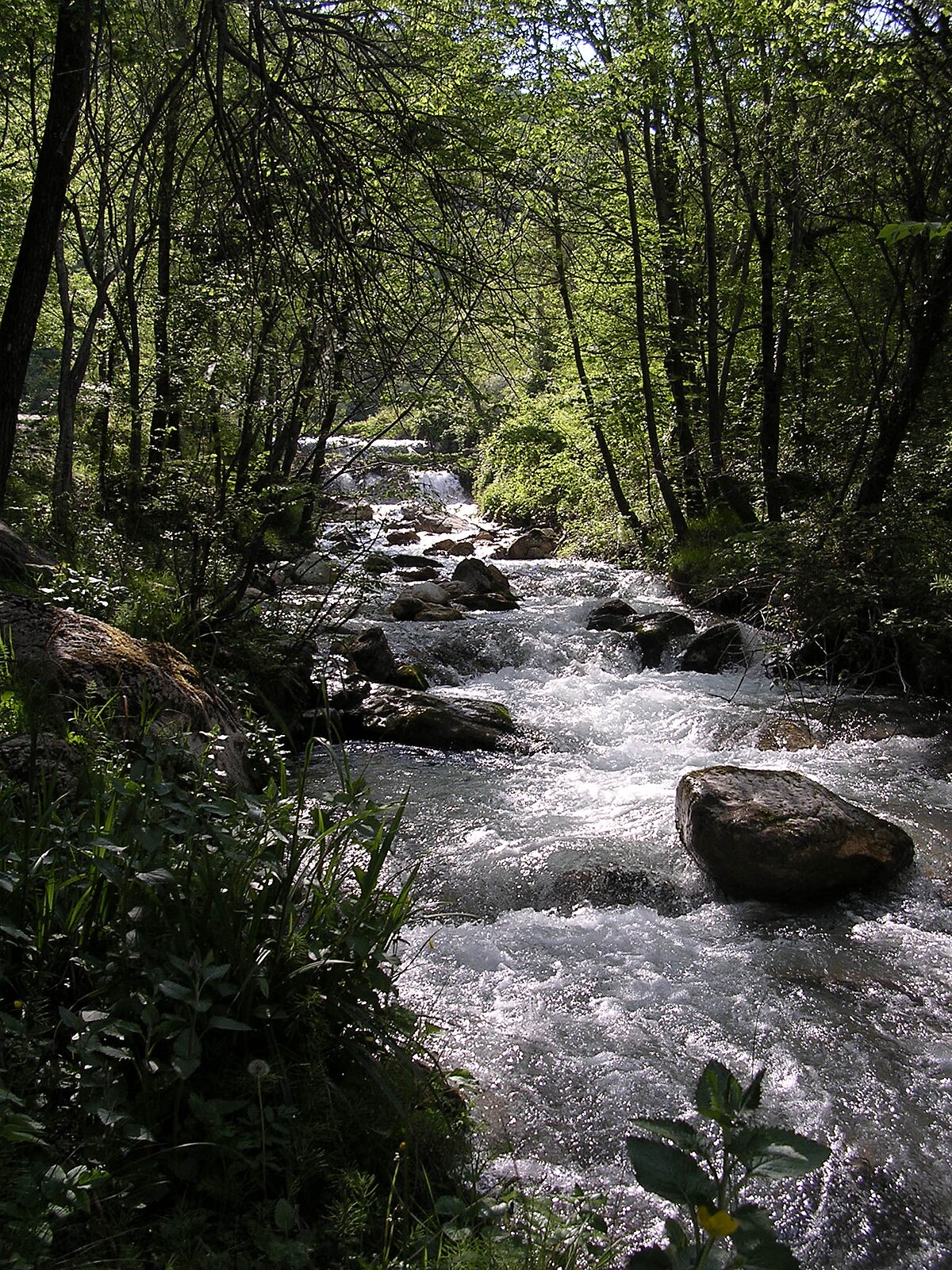
The Ambro River is a picturesque waterway in the Marche region of Italy, known for its serene landscapes and ecological significance.

Ancient Ostra
📍 marche, Italy
Ancient Ostra is an archaeological site located in Marche, Italy, notable for its remnants of an ancient Roman city that offers insights into …

Ancona
📍 marche, Italy
Ancona is a historic city in the Marche region of Italy, renowned for its stunning coastal views and significant maritime heritage.

Antiquarium of Palazzone
📍 marche, Italy
The Antiquarium of Palazzone is a museum located in Perugia, Italy, renowned for its collection of artifacts that showcase the region's rich …
Archivio Diocesano e Biblioteca dell'Arcidiocesi di Pesaro
📍 marche, Italy
The Archivio Diocesano e Biblioteca dell'Arcidiocesi di Pesaro is a conservation library in Marche, Italy, renowned for its extensive collection of …
Archivio e Biblioteca della Cattedrale di S. Rufino (Duomo)
📍 marche, Italy
The Archivio e Biblioteca della Cattedrale di S. Rufino (Duomo) is a historical library and archive located in Assisi, Italy, renowned for its rich …
More Church Building

Abbazia della Misericordia
📍 veneto, Italy
The Abbazia della Misericordia is a historic former church and abbey in Venice, Italy, renowned for its architectural significance and rich cultural …

Abbazia di Nostra Signora di Paulis
📍 sardinia, Italy
Abbazia di Nostra Signora di Paulis is a historic church building located in Ittiri, Sardinia, Italy, celebrated for its architectural charm and …

Abbazia di Pomposa
📍 veneto, Italy
The Abbazia di Pomposa is a historic church building located in Pomposa, Codigoro, Italy, known for its architectural features and serene atmosphere.

Abbazia di San Gaudenzio
📍 tuscany, Italy
The Abbazia di San Gaudenzio is a historic abbey located in San Gaudenzio, Tuscany, Italy, notable for its architectural elegance and spiritual …

Abbazia di Santa Maria
📍 sicily, Italy
Abbazia di Santa Maria is a historic church building located in Novara di Sicilia, Sicily, Italy, known for its architectural beauty and cultural …

Abbazia di Santa Maria a Cerrate (Lecce)
📍 apulia, Italy
The Abbazia di Santa Maria a Cerrate is an ancient church building located in Lecce, Italy, renowned for its historical significance and architectural …