


Cathedral Basilica of St. Septimus
Overview
The Cathedral Basilica of St. Septimus, situated in the charming town of Iesi in the Marche region of Italy, is a site of both spiritual and historical importance. This cathedral serves as a prominent landmark in the area, showcasing the artistic and architectural brilliance that is characteristic of Italian ecclesiastical structures. Iesi, with its picturesque streets and medieval heritage, provides a fitting backdrop for this magnificent building, which draws visitors not only for its religious significance but also for its architectural beauty.
As you approach the cathedral, you will be captivated by its imposing presence and the intricate details that adorn its façade. The structure stands as a testament to the craftsmanship of its time, inviting exploration from both the faithful and those interested in Italy’s rich heritage. The Cathedral Basilica of St. Septimus promises a glimpse into the spiritual life of Iesi, as well as an opportunity to appreciate the artistry that has been preserved through the centuries.
History and Significance
The history of the Cathedral Basilica of St. Septimus is intertwined with the development of Iesi as a significant urban center in the Marche region. The cathedral is dedicated to Saint Septimus, a martyr whose life and legacy have left an indelible mark on the local culture. While specific historical dates and events may be sparse, the cathedral has played a crucial role in the religious and social life of the community for generations.
Throughout its history, the Cathedral Basilica has witnessed various cultural shifts, reflecting the broader changes that Italy underwent, from the medieval period through the Renaissance and into modern times. It has served as a place of worship, a gathering point for the community, and a center for artistic endeavors. The structure’s importance is further emphasized by its status as a pilgrimage site, attracting visitors seeking spiritual solace and connection.
The architectural evolution of the cathedral mirrors the artistic trends of its time, showcasing the transition from Romanesque to Gothic styles. This blend of influences highlights the significance of the cathedral not only as a place of worship but also as a repository of artistic heritage. The building stands as a reminder of the enduring faith and creativity of those who have contributed to its legacy over the centuries.
Architecture and Features
The Cathedral Basilica of St. Septimus is an architectural marvel that reflects the stylistic transitions prominent in Italian cathedrals. The exterior features a façade that combines elements of Romanesque and Gothic architecture, characterized by its harmonious proportions and intricate detailing. As you approach the cathedral, you will notice the grand entrance, framed by elaborate carvings that depict various religious themes.
Inside, the cathedral reveals a spacious nave that is adorned with beautiful frescoes and altarpieces. The use of light within the space is particularly striking, as it filters through the stained glass windows, creating a serene atmosphere that enhances the spiritual experience. The interior design incorporates decorative elements that are both ornate and meaningful, contributing to the overall aesthetic appeal.
One of the notable features of the Cathedral Basilica is its altar, which is designed to reflect the significance of the saints and martyrs celebrated within the church. The altar is often the focal point for services and special ceremonies, drawing the attention of the congregation and visitors alike.
As you explore the cathedral, take time to appreciate the craftsmanship displayed in the sculptures and artwork that grace the interior. Each piece tells a story, adding depth to the visitor’s experience and understanding of the cathedral’s role in the community.
Visiting Information
Visiting the Cathedral Basilica of St. Septimus is an enriching experience for anyone interested in history, architecture, or spirituality. To reach Iesi, various transport options are available, including trains and buses from major cities in the Marche region. Once in Iesi, the cathedral is easily accessible, located within walking distance from the main square.
Check the official website for current information on hours and admission prices, as these may vary depending on the season or special events. It is advisable to allocate at least an hour for your visit to fully appreciate the architectural details and the serene atmosphere of the cathedral.
The best times to visit are during the weekdays, when crowds are typically smaller, allowing for a more intimate experience. Early mornings or late afternoons can also provide a quieter environment for reflection and exploration.
Nearby Attractions
While visiting the Cathedral Basilica of St. Septimus, consider exploring other attractions in Iesi that complement your experience:
- Palazzo della Signoria: This historic palace is a short walk from the cathedral and features stunning architecture and art.
- Museo di Storia dell’Abbazia di San Benedetto: A fascinating museum that showcases the history of the nearby abbey and its cultural significance.
- Teatro Pergolesi: An elegant theater that hosts performances and cultural events, offering a glimpse into the local arts scene.
- Castello di Iesi: A castle that provides panoramic views of the surrounding area and reflects the town’s medieval heritage.
Insider Tips
For the best photography opportunities, aim to visit during the golden hour, when the soft light enhances the cathedral’s architectural details. To avoid the crowds, try visiting during weekdays or early in the morning. This will give you the chance to capture the essence of the cathedral without the hustle and bustle of larger groups.
If you are interested in guided tours, inquire at the cathedral for options that may be available. These tours often provide deeper insights into the history and significance of the building, enriching your visit.
Practical Information
When visiting the Cathedral Basilica of St. Septimus, it is advisable to wear comfortable shoes, as you may spend time walking around and exploring. Bring a bottle of water, especially during warmer months, to stay hydrated.
Consider seasonal factors when planning your visit; spring and fall typically offer mild weather, making for a pleasant experience. Dress modestly, as this is a place of worship; covering shoulders and knees is recommended.
Frequently Asked Questions
How long should I spend visiting?
A visit typically lasts about one hour, allowing time to explore the interior and appreciate the architecture.
Is photography allowed?
Photography is generally permitted, but it’s best to check for any specific restrictions during your visit.
Are there guided tours?
Guided tours may be available; inquire at the cathedral for details on scheduling and pricing.
What’s the best time to visit?
Weekdays and early mornings are ideal for a quieter experience, free from large crowds.
Is it wheelchair accessible?
Check the official website for information on accessibility options to ensure a comfortable visit.
Can I buy tickets online?
Check the official website for current ticketing options and availability before your visit.
Are there restrooms and cafes?
Nearby facilities may be available; consider checking local maps for cafes or restrooms before arriving.
What should I wear?
Dress modestly to respect the sacred nature of the cathedral; covering shoulders and knees is recommended.
The Cathedral Basilica of St. Septimus is not just a place of worship; it is an embodiment of the artistic and cultural heritage of Iesi, inviting visitors to explore its beauty and significance.
Photo Gallery
Visit Information
Quick Facts
- Heritage Type
- Cathedral
- Region
- marche
- Wikidata ID
- Q2942682
More in marche
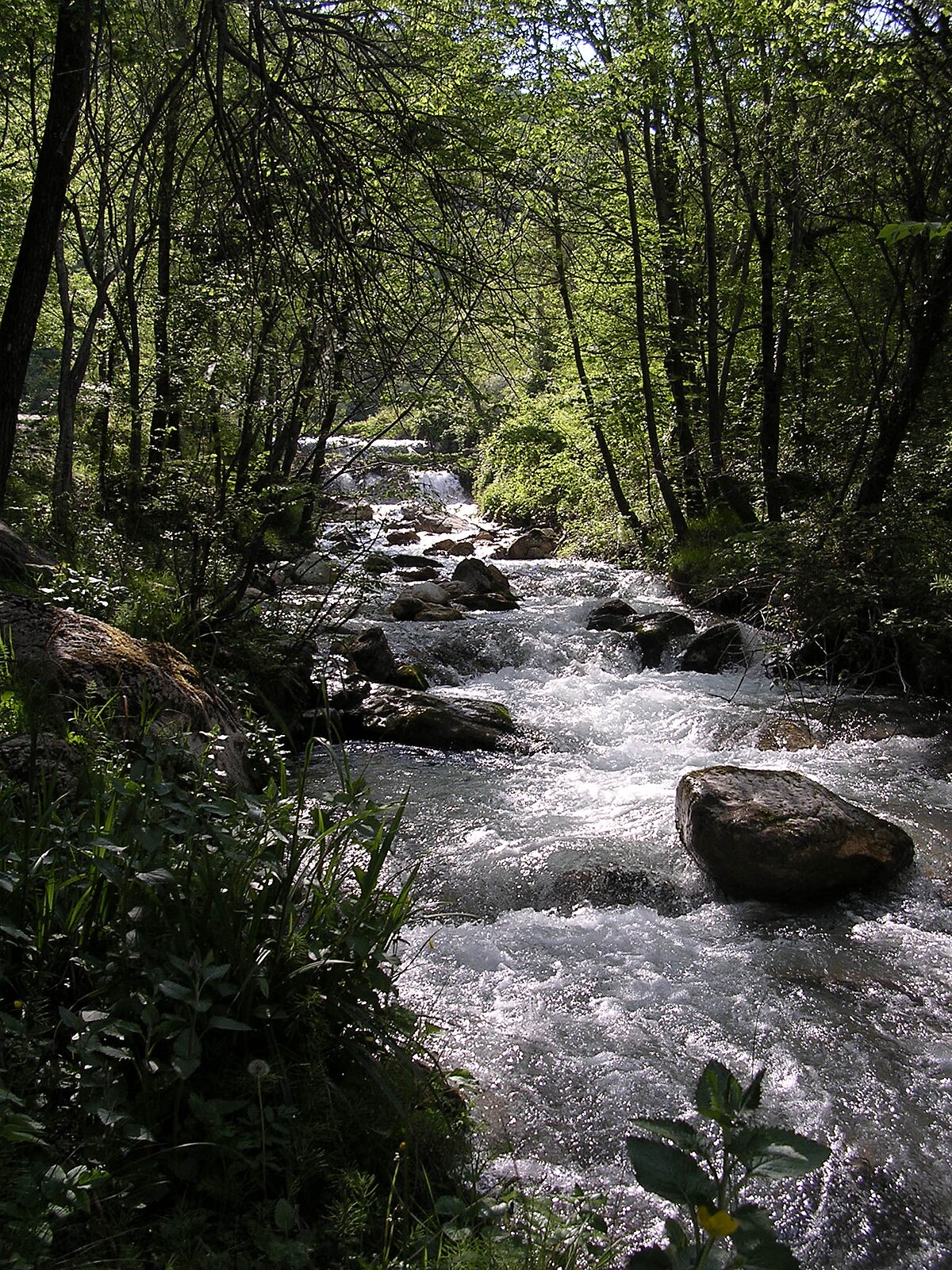
Ambro
📍 marche, Italy
The Ambro River is a picturesque waterway in the Marche region of Italy, known for its serene landscapes and ecological significance.

Ancient Ostra
📍 marche, Italy
Ancient Ostra is an archaeological site located in Marche, Italy, notable for its remnants of an ancient Roman city that offers insights into …

Ancona
📍 marche, Italy
Ancona is a historic city in the Marche region of Italy, renowned for its stunning coastal views and significant maritime heritage.

Antiquarium of Palazzone
📍 marche, Italy
The Antiquarium of Palazzone is a museum located in Perugia, Italy, renowned for its collection of artifacts that showcase the region's rich …
Archivio Diocesano e Biblioteca dell'Arcidiocesi di Pesaro
📍 marche, Italy
The Archivio Diocesano e Biblioteca dell'Arcidiocesi di Pesaro is a conservation library in Marche, Italy, renowned for its extensive collection of …
Archivio e Biblioteca della Cattedrale di S. Rufino (Duomo)
📍 marche, Italy
The Archivio e Biblioteca della Cattedrale di S. Rufino (Duomo) is a historical library and archive located in Assisi, Italy, renowned for its rich …
More Cathedral

Acerenza Cathedral
📍 campania, Italy
Acerenza Cathedral is a historic church located in Acerenza, Italy, renowned for its architectural beauty and cultural significance in the region of …

Acerra Cathedral
📍 campania, Italy
Acerra Cathedral is a historic church building located in Acerra, Campania, Italy, renowned for its architectural features and cultural significance …

Adria Cathedral
📍 veneto, Italy
Adria Cathedral is a historic church building located in Adria, Italy, renowned for its architectural beauty and cultural significance in the Veneto …

Agrigento Cathedral
📍 sicily, Italy
Agrigento Cathedral is a historic church in Agrigento, Sicily, celebrated for its architectural beauty and cultural significance in the region.

Alba Cathedral
📍 piedmont, Italy
The Alba Cathedral is a Romanesque cathedral located in Alba, Piedmont, Italy, known for its stunning architecture and historical significance.

Albenga Cathedral
📍 liguria, Italy
Albenga Cathedral is a historic cathedral located in Albenga, Italy, known for its unique blend of architectural styles and significant cultural …