


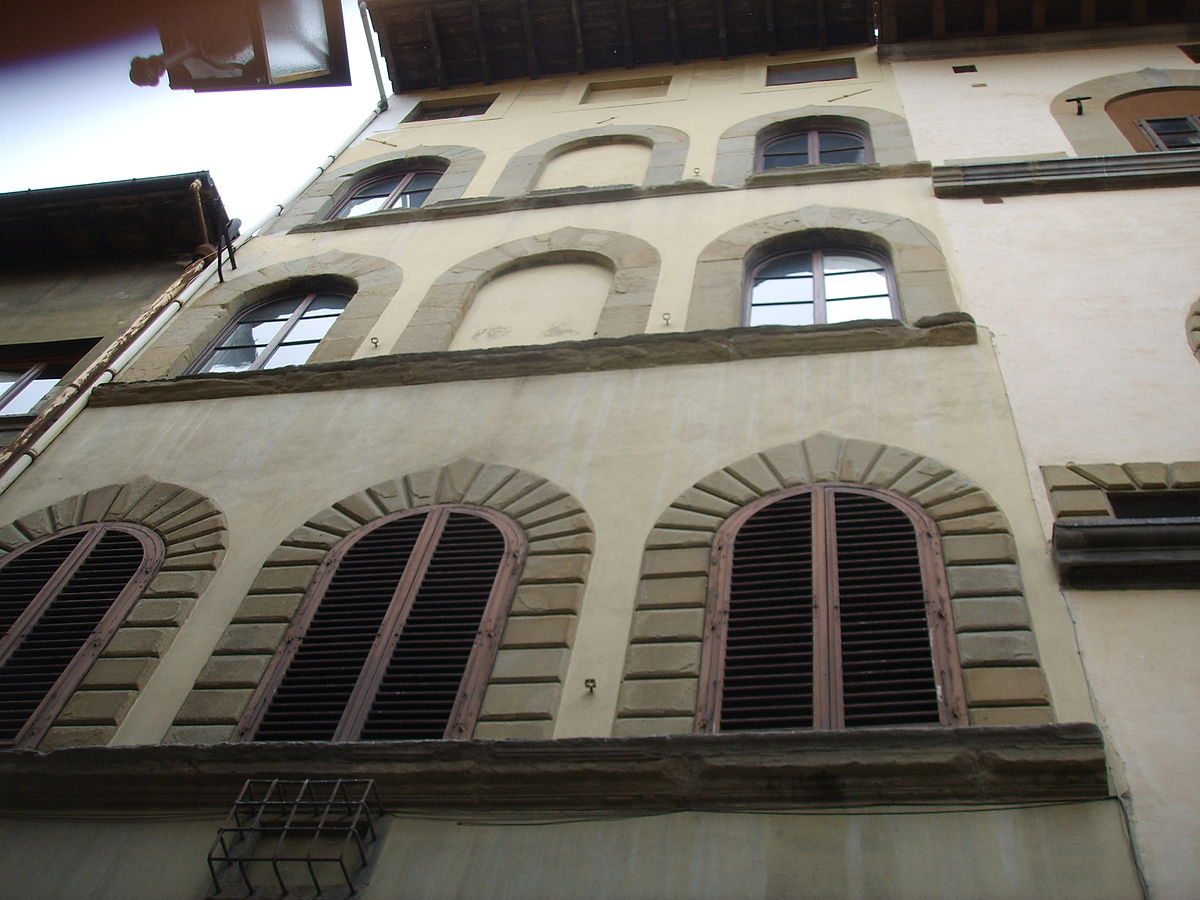
Casa Vasari
Overview
Casa Vasari is an intriguing museum situated in the heart of Florence, Tuscany. This historic building is not just a remarkable example of Renaissance architecture; it also serves as a tribute to one of the most influential artists of the period, Giorgio Vasari. Known for his contributions to the arts and architecture, particularly through his work on the Uffizi Gallery and the Vasari Corridor, Vasari’s residence encapsulates the spirit of the Italian Renaissance. Visitors to Casa Vasari can immerse themselves in the life and work of this multifaceted artist while appreciating the artistry that defines the era.
The museum offers a unique glimpse into the personal and professional life of Vasari, showcasing his exceptional talent and the vibrant cultural scene of 16th-century Florence. From the moment one approaches this historical site, the atmosphere of creativity and inspiration is palpable. Whether you are an art enthusiast, history buff, or simply interested in the rich cultural heritage of Florence, Casa Vasari promises an enlightening experience.
History and Significance
Casa Vasari was constructed as the residence of Giorgio Vasari, a prominent figure in the art world during the Renaissance. While specific dates of construction are not detailed, the building reflects the architectural style and artistic sensibilities of the period. Vasari is best known for his pioneering work as a painter and architect, leaving a lasting legacy that has influenced generations of artists. In addition to his artistic accomplishments, Vasari was a biographer of artists, penning “Le Vite de’ più eccellenti pittori, scultori, ed architettori” (The Lives of the Most Excellent Painters, Sculptors, and Architects), which remains a vital source for understanding the history of art during the Renaissance.
The Casa Vasari itself serves as a reminder of the artistic fervor that characterized Florence during this time. It not only housed Vasari and his family but also functioned as a creative workshop where he and other artists collaborated and exchanged ideas. The museum provides insight into the daily life of an artist in the Renaissance, highlighting the interconnectedness of art, architecture, and society.
As a museum, Casa Vasari plays a crucial role in preserving the legacy of Giorgio Vasari and educating visitors about the rich artistic heritage of Florence. It stands as a cultural landmark that reflects the evolution of art and architecture in Italy, making it a significant site for anyone interested in the Renaissance era.
Architecture and Features
Casa Vasari is an exemplary representation of Renaissance architecture, characterized by its harmonious proportions and elegant design. The building features a façade that captures the essence of the period, with careful attention to symmetry and classical elements. The use of stone and plaster lends the structure a timeless quality, while the interior spaces showcase a blend of functional design and artistic expression.
One of the notable features of Casa Vasari is its original furnishings and artwork, which provide a glimpse into the domestic life of the artist and his family. The museum is designed to evoke the atmosphere of the 16th century, with rooms arranged to reflect the aesthetic preferences of the time. Visitors can explore the various living spaces, including the artist’s studio, where Vasari created some of his most significant works.
Additionally, Casa Vasari often displays temporary exhibitions that highlight specific aspects of Vasari’s life or the broader context of Renaissance art. These exhibitions may include paintings, sketches, and artifacts that further enrich the visitor experience.
The museum’s layout encourages a leisurely exploration, allowing guests to appreciate both the architecture and the artistry within. Each room tells a story, inviting visitors to engage with the life and legacy of one of Italy’s most prominent artists.
Visiting Information
Casa Vasari is conveniently located in Florence, making it easily accessible to both locals and tourists. Various transport options are available, including public buses and taxis, which can take visitors close to the museum. For those traveling on foot, the museum is situated near many of Florence’s other significant attractions, making it a great addition to a day of sightseeing.
To ensure a fulfilling visit, it is advisable to check the official website for current information regarding opening hours and ticket prices. Depending on your interests, you may want to allocate a couple of hours to fully explore the museum’s offerings. The best times to visit are typically in the morning or late afternoon when crowds are lighter, allowing for a more intimate experience.
Inside Casa Vasari, visitors can expect a thoughtfully curated environment that balances the historical significance with modern accessibility. The museum is designed to accommodate a diverse audience, ensuring that everyone can appreciate the beauty and importance of Vasari’s work.
Nearby Attractions
While visiting Casa Vasari, consider exploring these nearby attractions:
Uffizi Gallery: Just a short walk away, this world-renowned art museum houses an exceptional collection of Renaissance masterpieces, including works by Michelangelo, Botticelli, and da Vinci.
Piazza della Signoria: This iconic square is home to several notable sculptures, including a replica of Michelangelo’s David and the Fountain of Neptune, making it a vibrant hub of artistic expression.
Palazzo Vecchio: Overlooking Piazza della Signoria, this historic palace serves as Florence’s town hall and features stunning architecture and art, as well as an impressive view of the city from its tower.
Santa Croce Basilica: A short distance from Casa Vasari, this magnificent church is the final resting place of several prominent figures, including Michelangelo, Galileo, and Machiavelli.
Ponte Vecchio: A famous medieval bridge lined with shops, this picturesque landmark is not only a symbol of Florence but also offers lovely views of the Arno River.
Insider Tips
To make the most of your visit to Casa Vasari, consider the following tips:
Photography: While photography may be allowed in certain areas, be mindful of any restrictions in place. It’s always best to check with the museum staff before snapping photos.
Crowd Avoidance: To avoid larger crowds, aim to visit during weekdays or during off-peak seasons. Early morning visits can also provide a quieter atmosphere, allowing for a more personal experience.
Take Your Time: Casa Vasari’s charm lies in its intimate setting. Allow yourself to wander leisurely, soaking in both the art and the architecture without rushing.
Practical Information
When planning your visit to Casa Vasari, keep the following practical considerations in mind:
What to Bring: Comfortable walking shoes are recommended, as the museum may require some walking, especially if you decide to explore nearby attractions. A water bottle is also a good idea, especially during warmer months.
Seasonal Considerations: Florence experiences a variety of weather conditions throughout the year, so check the forecast before your visit. Summer can be quite hot, while winter may bring cooler temperatures.
Accessibility: While the museum aims to be inclusive, it’s advisable to check for specific accessibility options if needed, especially for those with mobility challenges.
Frequently Asked Questions
How long should I spend visiting?
A visit to Casa Vasari typically takes about 1.5 to 2 hours, allowing ample time to explore the museum and appreciate the exhibits.
Is photography allowed?
Photography policies can vary, so it’s best to check with museum staff upon arrival. Some areas may permit photography while others may not.
Are there guided tours?
Guided tours may be available, providing deeper insights into the life of Giorgio Vasari and the history of the museum. Check the official website for more details.
What’s the best time to visit?
The best time to visit is during weekdays or early in the morning to avoid larger crowds. Visiting during the shoulder seasons of spring and fall can also enhance your experience.
Is it wheelchair accessible?
Check the official website for current information on accessibility options, as the museum strives to accommodate all visitors.
Can I buy tickets online?
Yes, tickets can typically be purchased online, allowing for a smooth entry into the museum. It’s advisable to buy in advance, especially during peak tourist seasons.
Are there restrooms and cafes?
Facilities may be available within the museum, but check the official website for current information on amenities.
What should I wear?
Comfortable and respectful attire is recommended, especially when visiting cultural sites. Dress in layers to accommodate varying temperatures throughout the day.
In conclusion, Casa Vasari presents a unique opportunity to dive into the life and work of Giorgio Vasari, while also enjoying the architectural beauty of one of Florence’s historic buildings. Whether you’re a lover of art or simply curious about the Renaissance, a visit to Casa Vasari will undoubtedly enrich your understanding of this remarkable era.
Photo Gallery
More in tuscany

Abbazia di San Gaudenzio
📍 tuscany, Italy
The Abbazia di San Gaudenzio is a historic abbey located in San Gaudenzio, Tuscany, Italy, notable for its architectural elegance and spiritual …

Abbey of St Maria del Monte
📍 tuscany, Italy
The Abbey of St Maria del Monte is a historic church building located in Cesena, Italy, celebrated for its architectural beauty and serene ambiance.
Abiogen Pharma
📍 tuscany, Italy
Abiogen Pharma is an educational institution located in Pisa, Italy, recognized for its contributions to pharmaceutical education and research.

Academia de la Crusca library
📍 tuscany, Italy
The Academia de la Crusca library is a historic library located in Tuscany, Italy, renowned for its dedication to the Italian language and its …

Acquedotto leopoldino
📍 tuscany, Italy
The Acquedotto Leopoldino is an impressive aqueduct system located in Livorno, Tuscany, Italy, recognized for its historical significance and …

Acquedotto Lorenese
📍 tuscany, Italy
The Acquedotto Lorenese is a historic aqueduct located in Campiglia Marittima, Tuscany, Italy, known for its 19th-century architecture and engineering …
More Museum

Aghinolfi Castle
📍 tuscany, Italy
Aghinolfi Castle is a historic museum located in Montignoso, Tuscany, Italy, renowned for its medieval architecture and rich cultural heritage.
Alessi Museum
📍 sicily, Italy
The Alessi Museum is a captivating museum located in Sicily, Italy, renowned for its unique collection of decorative arts and design pieces.
Anatomical Museum "Eugenio Morelli"
📍 lazio, Italy
The Anatomical Museum "Eugenio Morelli" is a museum in Lazio, Italy, renowned for its fascinating collection of anatomical specimens and educational …

Antiquarium of Palazzone
📍 marche, Italy
The Antiquarium of Palazzone is a museum located in Perugia, Italy, renowned for its collection of artifacts that showcase the region's rich …
Aquarium of Alghero
📍 sardinia, Italy
The Aquarium of Alghero is a fascinating museum in Sardinia, Italy, known for its diverse marine life exhibits and educational experiences.

Ara Pacis
📍 lazio, Italy
The Ara Pacis is an ancient Roman monument located in Rome, Italy, renowned for its intricate relief sculptures and its role in celebrating peace and …