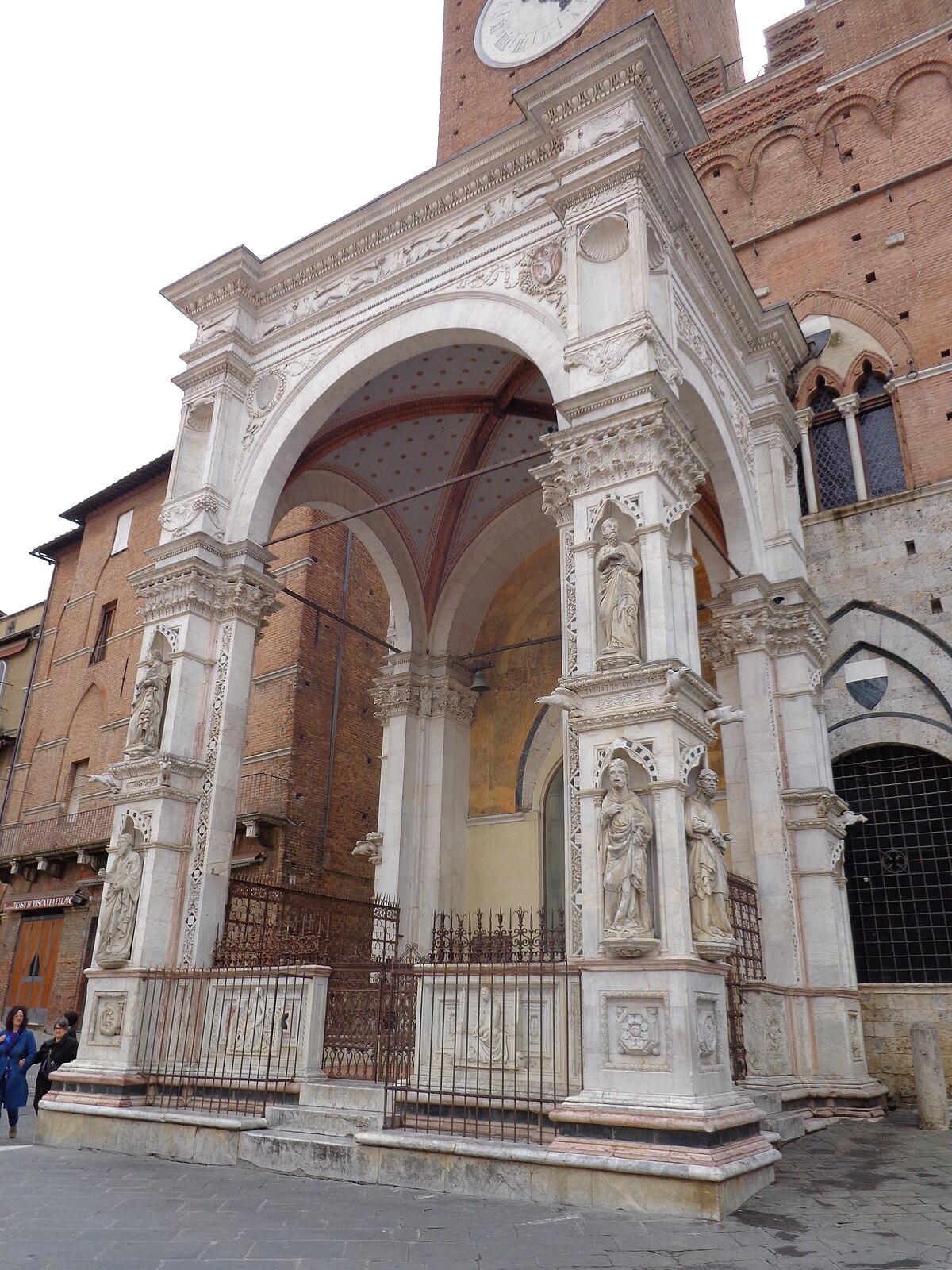


Cappella di Piazza
Overview
The Cappella di Piazza serves as a captivating focal point within the vibrant city of Siena, situated in the heart of Tuscany, Italy. This chapel is not merely a religious structure; it is intricately woven into the fabric of the city’s civic life, reflecting both its artistic heritage and historical significance. The façade, which integrates seamlessly with the Palazzo Pubblico, showcases the city’s commitment to both governance and spirituality, making it a symbol of Siena’s identity.
Positioned at the center of this medieval city, the chapel is easily accessible to visitors exploring the winding streets and bustling piazzas. Its prominent location emphasizes the importance of faith and communal values that have defined Siena throughout the centuries. The Cappella di Piazza captures the essence of the city’s rich history, providing a glimpse into the cultural landscape that has flourished here since the Middle Ages. Visitors are often drawn to its artistry and the stories that lie within its walls, making it a must-visit site for anyone exploring the heritage of Siena.
History and Significance
The Cappella di Piazza is intimately linked to the history of Siena and its governance. It was established as part of the Palazzo Pubblico, which has been the seat of the city’s government since the 13th century. This chapel serves a dual purpose: as a place of worship and as a space for public ceremonies, illustrating the intertwining of civic and spiritual life in medieval Siena.
Over the years, the chapel has hosted numerous significant events, reflecting the changing political landscape and the role of the church in public life. It has witnessed important milestones in the city’s history, making it an essential element of Siena’s collective memory. The chapel’s design and art are emblematic of the city’s Gothic architectural style, which flourished during the late medieval period. This period was marked by a revival of interest in the arts and spirituality, and the Cappella di Piazza stands as a testament to that cultural flourish.
Additionally, the chapel’s interior houses various artworks and sculptures that echo the city’s religious fervor and artistic ambition. These works not only enhance the chapel’s beauty but also tell the story of Siena’s devotion and the significant role of the church in the lives of its citizens.
Architecture and Features
Architecturally, the Cappella di Piazza is a fine representation of Gothic style, characterized by its pointed arches, ribbed vaults, and intricate detailing. The chapel is integrated into the Palazzo Pubblico, which further emphasizes its importance as both a civic and religious space. Visitors are greeted by a striking façade that features a harmonious blend of stone and brick, typical of Sienese architecture.
Inside the chapel, one can appreciate the delicate craftsmanship that adorns the walls and ceilings. The use of light is particularly notable; high windows allow natural light to filter in, creating a serene atmosphere that invites contemplation and reflection. The altar area is often the focal point, where various religious items and artwork are displayed, showcasing the chapel’s role in the spiritual life of the community.
One of the notable features of the chapel is its historical artwork, which narrates tales from the Bible and highlights the lives of saints significant to the Sienese people. These artworks serve not only decorative purposes but also educational ones, as they help convey essential moral and religious teachings to congregants and visitors alike.
Visiting Information
Visiting the Cappella di Piazza offers a unique glimpse into the cultural and spiritual heart of Siena. The chapel is conveniently located within the bustling Piazza del Campo, making it an easy stop for those exploring the area. Visitors can access the chapel via the Palazzo Pubblico, which is a central point in Siena.
Check the official website for current information regarding opening hours and any potential admission fees. It’s advisable to plan for at least 30 minutes to an hour to fully appreciate the chapel’s artistic and historical significance.
The best times to visit are typically early in the morning or later in the afternoon, as these hours tend to attract fewer crowds, allowing for a more intimate experience. The ambiance of the chapel, combined with the surrounding piazza, creates a picturesque setting that is particularly lovely during the golden hour when the light softens.
Transport options to reach Siena include buses and trains from major cities in Tuscany, such as Florence and Pisa. Once in Siena, the city is best explored on foot, given its medieval layout and pedestrian-friendly streets.
Nearby Attractions
While visiting the Cappella di Piazza, consider exploring these nearby attractions:
Palazzo Pubblico - This historic town hall is adjacent to the chapel and offers insights into Siena’s governance and history, featuring the stunning frescoes of the Allegory of Good and Bad Government.
Piazza del Campo - Renowned for its distinctive shell shape, this vibrant square is the heartbeat of Siena, famous for the Palio horse race held twice a year.
Siena Cathedral (Duomo di Siena) - A short walk away, this stunning cathedral is a masterpiece of Italian Romanesque-Gothic architecture, adorned with intricate artwork and an impressive facade.
Museo Civico - Located within the Palazzo Pubblico, this museum showcases a rich collection of Sienese art and artifacts, providing further context to the city’s cultural heritage.
Basilica di San Domenico - A significant religious site with beautiful artworks and an impressive interior, this basilica is dedicated to Saint Dominic, the founder of the Dominican Order.
Insider Tips
For those looking to capture the beauty of the Cappella di Piazza, early mornings or late afternoons provide the best lighting for photography. The soft sunlight enhances the details of the architecture and artworks, creating stunning images.
To avoid larger crowds, consider visiting during weekdays rather than weekends. Additionally, engaging with local guides can offer deeper insights into the chapel’s history and significance, enriching your experience.
Practical Information
When visiting the Cappella di Piazza, it’s advisable to bring a camera for photography, but be mindful of any restrictions regarding flash photography or tripods. Comfortable walking shoes are recommended, as you will likely explore the surrounding streets and attractions.
Seasonal considerations are important; spring and autumn offer mild weather and beautiful scenery, making them ideal times to visit. Summers can be hot and crowded, while winters may provide a quieter experience, though temperatures can be chilly.
Frequently Asked Questions
How long should I spend visiting?
Plan to spend around 30 minutes to an hour exploring the chapel and the surrounding areas.
Is photography allowed?
Photography is typically allowed, but always respect any signage regarding restrictions.
Are there guided tours?
Yes, guided tours are available that provide in-depth information about the chapel’s history and significance.
What’s the best time to visit?
Early mornings or late afternoons are ideal for avoiding crowds and enjoying the best lighting for photos.
Is it wheelchair accessible?
Check the official website for specific accessibility information.
Can I buy tickets online?
Check the official website for current ticket purchasing options.
Are there restrooms and cafes?
Nearby cafes and restrooms can be found in the Piazza del Campo and surrounding areas.
What should I wear?
Dress modestly, especially if visiting during religious services, and opt for comfortable footwear for exploring the area.
Photo Gallery
More in tuscany

Abbazia di San Gaudenzio
📍 tuscany, Italy
The Abbazia di San Gaudenzio is a historic abbey located in San Gaudenzio, Tuscany, Italy, notable for its architectural elegance and spiritual …

Abbey of St Maria del Monte
📍 tuscany, Italy
The Abbey of St Maria del Monte is a historic church building located in Cesena, Italy, celebrated for its architectural beauty and serene ambiance.
Abiogen Pharma
📍 tuscany, Italy
Abiogen Pharma is an educational institution located in Pisa, Italy, recognized for its contributions to pharmaceutical education and research.

Academia de la Crusca library
📍 tuscany, Italy
The Academia de la Crusca library is a historic library located in Tuscany, Italy, renowned for its dedication to the Italian language and its …

Acquedotto leopoldino
📍 tuscany, Italy
The Acquedotto Leopoldino is an impressive aqueduct system located in Livorno, Tuscany, Italy, recognized for its historical significance and …

Acquedotto Lorenese
📍 tuscany, Italy
The Acquedotto Lorenese is a historic aqueduct located in Campiglia Marittima, Tuscany, Italy, known for its 19th-century architecture and engineering …
More Church Building

Abbazia della Misericordia
📍 veneto, Italy
The Abbazia della Misericordia is a historic former church and abbey in Venice, Italy, renowned for its architectural significance and rich cultural …

Abbazia di Nostra Signora di Paulis
📍 sardinia, Italy
Abbazia di Nostra Signora di Paulis is a historic church building located in Ittiri, Sardinia, Italy, celebrated for its architectural charm and …

Abbazia di Pomposa
📍 veneto, Italy
The Abbazia di Pomposa is a historic church building located in Pomposa, Codigoro, Italy, known for its architectural features and serene atmosphere.
Abbazia di San Gaudenzio
📍 tuscany, Italy
The Abbazia di San Gaudenzio is a historic abbey located in San Gaudenzio, Tuscany, Italy, notable for its architectural elegance and spiritual …

Abbazia di Santa Maria
📍 sicily, Italy
Abbazia di Santa Maria is a historic church building located in Novara di Sicilia, Sicily, Italy, known for its architectural beauty and cultural …

Abbazia di Santa Maria a Cerrate (Lecce)
📍 apulia, Italy
The Abbazia di Santa Maria a Cerrate is an ancient church building located in Lecce, Italy, renowned for its historical significance and architectural …