


Caere
Overview
Caere, now known as Cerveteri, is an ancient Etruscan city-state that played a crucial role in the Mediterranean world during its height. Situated just northwest of Rome, this archaeological site offers a fascinating glimpse into Etruscan civilization, showcasing its unique culture, art, and burial practices. The city’s strategic location allowed it to flourish as a significant trade center, influencing the cultural exchanges between the Etruscans and their neighbors, including the Romans. Visitors to Caere can explore a range of well-preserved tombs, elaborate burial mounds, and striking artefacts that reflect the sophisticated society that once thrived here.
Today, the site is recognized as a UNESCO World Heritage Site, underscoring its importance in understanding Etruscan history and culture. The necropolises of Cerveteri, in particular, are notable for their intricate burial designs and artistic contributions, making it a must-visit for history enthusiasts and travelers alike. With its rich heritage and archaeological wonders, Caere offers an engaging experience that invites exploration and reflection on the ancient world.
History and Significance
The history of Caere dates back to the Etruscan civilization, which flourished in Italy from the 8th to the 3rd century BCE. As a city-state, Caere became a significant political and economic hub, benefitting from its fertile land and favorable location near the Tyrrhenian Sea. The Etruscans, known for their advanced society and unique burial customs, established Caere as a center of trade and culture, where they interacted with both Greek and Roman societies.
One of the most prominent aspects of Caere’s importance lies in its necropolises, which serve as vital sources of information about Etruscan life and death. The Banditaccia Necropolis, located just outside the modern town of Cerveteri, features an extensive network of tombs that resemble houses, complete with furniture and decorations. These tombs provide insight into the Etruscan beliefs about the afterlife and their funerary practices.
The city’s decline began around the 3rd century BCE, coinciding with the rise of Roman power. Despite this, Caere continued to be inhabited and evolved over the centuries. Today, the archaeological remnants of this ancient metropolis remain a testament to the Etruscan legacy and their contributions to the cultural landscape of Italy. The site is not only an important archaeological treasure but also a key to understanding the interactions between the Etruscans and their neighbors, marking its significance in the broader context of ancient history.
Architecture and Features
The architectural features of Caere reflect the sophistication of Etruscan design and their burial customs. The most notable structures are the tombs found within the Banditaccia Necropolis, which is a UNESCO World Heritage Site. These tombs are distinguished by their elaborate designs, often resembling miniature houses. Some are adorned with frescoes that depict scenes from daily life, mythology, and funerary rituals, providing a glimpse into the beliefs and practices of the Etruscan people.
Among the most remarkable tombs is the Tomb of the Diver, which features a unique fresco of a banquet scene, believed to illustrate the Etruscan view of the afterlife. The tombs are constructed with large stone blocks and exhibit a level of craftsmanship that highlights the Etruscans’ architectural abilities.
Beyond the necropolises, the ancient city of Caere was characterized by its defensive walls and strategic layout, which allowed it to thrive as a city-state. While much of the city’s urban architecture has not survived, the remnants that do exist provide vital context about Etruscan urban planning and community life.
Visitors to Caere can also explore the archaeological museum in Cerveteri, which houses a collection of artifacts unearthed from the necropolises, including pottery, jewelry, and tools that further illustrate the richness of Etruscan culture.
Visiting Information
Reaching Caere is relatively straightforward, with easy access from Rome. The site is approximately 50 kilometers northwest of the capital, making it suitable for day trips. Visitors can take a train from Rome to Cerveteri and then use local transportation or walk to the necropolises.
Check the official website for current information regarding opening hours and ticket prices, as these may vary seasonally. Typically, a visit to the necropolis and the museum can take between two to four hours, depending on your interest level and pace.
The best times to visit are during the spring and fall months when the weather is mild, making walking and exploring more enjoyable. Summer can be hot, so early morning visits are recommended to avoid the heat.
Expect to encounter a combination of open-air sites and indoor exhibits, providing a well-rounded experience of Etruscan heritage. Guided tours may be available, offering deeper insights into the history and significance of the site.
Nearby Attractions
Several noteworthy attractions are situated near Caere, making it an ideal base for further exploration:
Necropolis of Tarquinia: Another UNESCO World Heritage Site, this necropolis is famous for its painted tombs, showcasing vibrant Etruscan art.
Castello di Santa Severa: A medieval castle located along the coast, offering beautiful views and a rich history.
Bracciano Lake: A stunning lake surrounded by picturesque towns, perfect for a leisurely day outdoors.
Cerveteri Town: Explore the charming streets of modern Cerveteri, with its shops, cafes, and local eateries.
Rome: Just a short trip away, the capital city offers a plethora of historical and cultural attractions, including ancient ruins and world-renowned museums.
Insider Tips
To make the most of your visit to Caere, consider these insider tips:
Photography: While photography is generally allowed, be mindful of signs indicating restrictions, especially in museum areas. Early morning or late afternoon visits provide the best natural light for capturing the beauty of the necropolises.
Crowd Avoidance: To avoid larger crowds, visit during weekdays or early in the day. This allows for a more peaceful experience while exploring the site.
Guided Tours: If available, consider joining a guided tour to gain a deeper understanding of the Etruscan culture and the significance of the tombs.
Practical Information
When planning your visit to Caere, keep the following practical considerations in mind:
What to Bring: Comfortable walking shoes are essential, as the site involves considerable walking on uneven terrain. Bring water, sunscreen, and a hat, particularly in warmer months.
Seasonal Considerations: Spring and fall are ideal for visiting due to pleasant weather. Summer can be hot, while winter may bring colder temperatures, so dress accordingly.
Restrooms and Amenities: Facilities may be limited on-site, so plan accordingly. The nearby town of Cerveteri offers various dining options and restrooms.
Frequently Asked Questions
How long should I spend visiting?
A visit typically lasts between two to four hours, depending on your interest in exploring the necropolis and museum.
Is photography allowed?
Photography is generally permitted, but check for specific restrictions in certain areas, particularly indoors.
Are there guided tours?
Guided tours may be available, providing insights into Etruscan culture and the significance of the site.
What’s the best time to visit?
The best times to visit are during spring and fall when the weather is mild and pleasant for walking.
Is it wheelchair accessible?
Some areas may be challenging to navigate due to uneven terrain, so it’s best to check specific accessibility options on the official website.
Can I buy tickets online?
Check the official website for the availability of online ticket purchases and information on pricing.
Are there restrooms and cafes?
Facilities may be limited on-site, but the nearby town of Cerveteri has cafes and restrooms available to visitors.
What should I wear?
Wear comfortable clothing and shoes suitable for walking, and consider seasonal weather when planning your outfit.
Caere stands as a testament to the Etruscan civilization, inviting visitors to delve into its rich heritage and explore the remnants of a once-thriving metropolis.
Photo Gallery
Location
More in lazio
Abatino Park
📍 lazio, Italy
The Abatino Park is a serene natural park located in Lazio, Italy, offering visitors a peaceful retreat with lush landscapes and recreational …
Abbazia di Santa Maria di Ponza
📍 lazio, Italy
The Abbazia di Santa Maria di Ponza is a Cistercian monastery on Ponza Island, Italy, renowned for its serene atmosphere and historical significance.

Academia Belgica
📍 lazio, Italy
The Academia Belgica is a Belgian cultural institution located in Rome, Italy, notable for its role in promoting Belgian heritage and fostering …
Accademia di Belle Arti di Frosinone
📍 lazio, Italy
The Accademia di Belle Arti di Frosinone is an educational institution in Frosinone, Italy, renowned for its commitment to fostering artistic talent …
Acqua Vergine
📍 lazio, Italy
Acqua Vergine is a modern aqueduct located in Rome, Italy, known for its engineering marvel and role in the city's water supply system.

Acquedotto delle Arcatelle
📍 lazio, Italy
The Acquedotto delle Arcatelle is a 17th-century aqueduct located in Tarquinia, Italy, recognized for its impressive architectural design and …
More City-State

Alba Longa
📍 lazio, Italy
Alba Longa is an ancient city-state in Lazio, Italy, known for its historical significance as the legendary birthplace of Rome and rich cultural …
Clusium
📍 tuscany, Italy
The ancient Etruscan city-state of Clusium in Tuscany, Italy, is renowned for its archaeological significance and rich cultural heritage.
Corniculum
📍 lazio, Italy
Corniculum is an ancient Latin town in Lazio, Italy, renowned for its historical significance as a former city-state and cultural center.

Free Territory of Trieste
📍 friuli-venezia-giulia, Italy
The Free Territory of Trieste is a historic city-state located in Friuli-Venezia Giulia, Italy, renowned for its unique status and rich cultural …
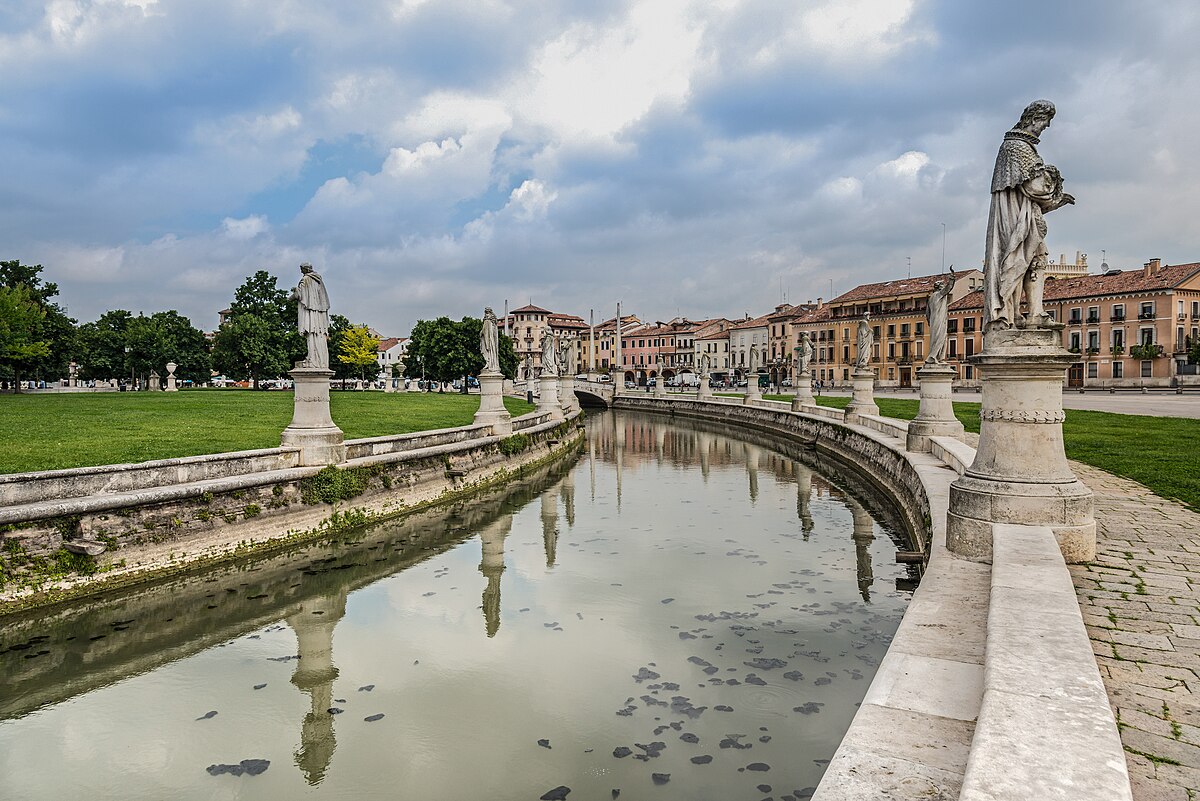
Padua
📍 veneto, Italy
Padua is a historic city-state in Veneto, Italy, renowned for its rich cultural heritage and stunning architecture, including the famous Scrovegni …