

Burano
Overview
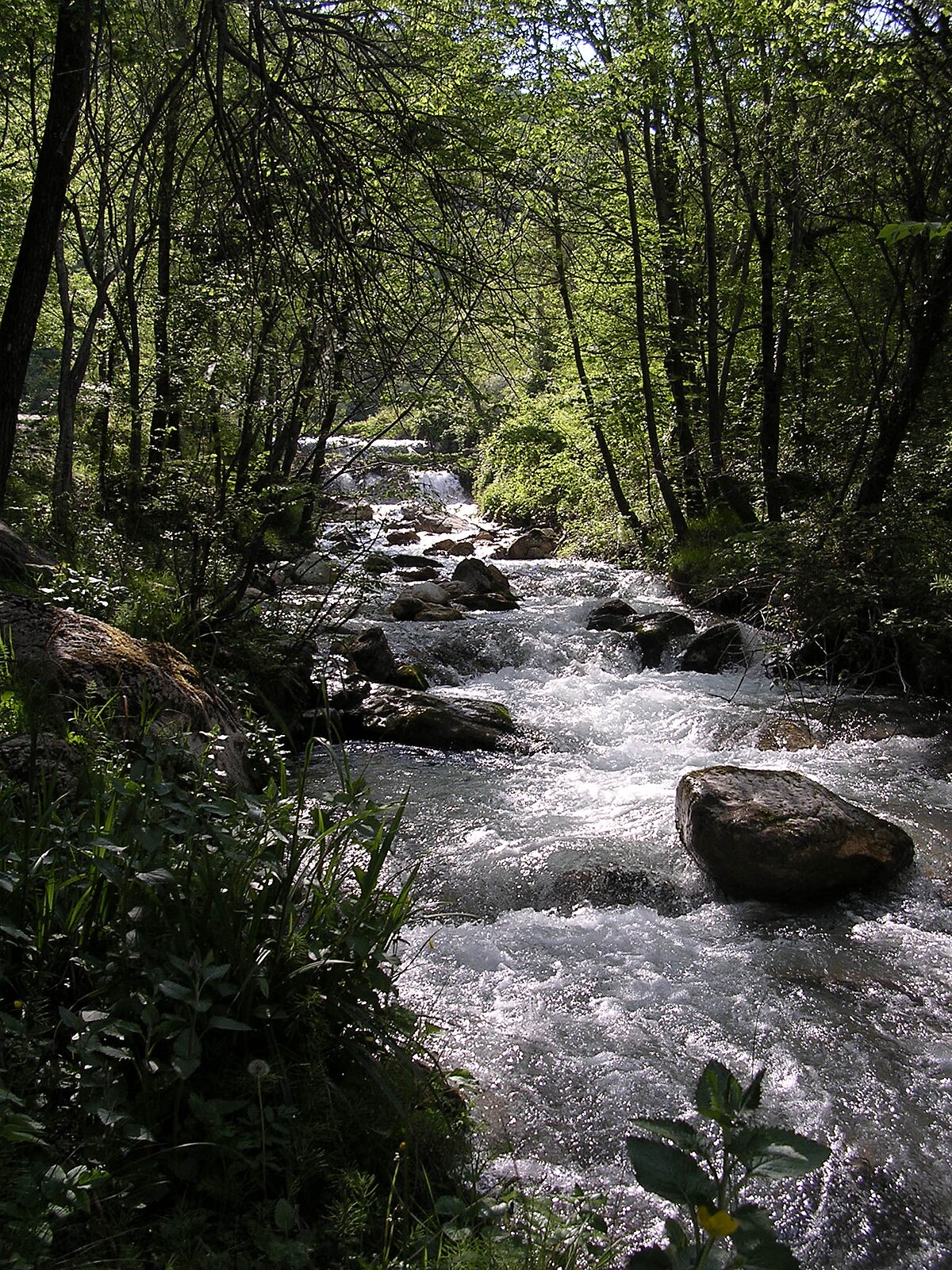
The Burano River, situated in the Marche region of Italy, presents a serene escape for nature enthusiasts and culture seekers alike. Flowing through a landscape characterized by lush vegetation and rolling hills, this river embodies the essence of Italy’s natural beauty. While not as widely recognized as some of Italy’s famed rivers, Burano offers visitors an opportunity to experience the tranquil side of Italian life, away from the bustling tourist hotspots. Its gentle waters are an invitation to explore the surrounding areas, where the interplay of nature and local culture unfolds in delightful ways.
Along the banks of the Burano River, visitors can find a blend of traditional rural life and scenic beauty, making it a perfect spot for leisurely walks, picnics, or simply soaking in the natural surroundings. The river is also a significant local feature, supporting biodiversity and contributing to the region’s agricultural practices. For those looking to immerse themselves in the authentic Italian experience, a visit to the Burano River is a chance to connect with both the environment and the rich cultural fabric of the Marche region.
History and Significance
The Burano River, while not steeped in dramatic historical events, plays a significant role in the local ecology and the cultural practices of the Marche region. Historically, rivers in Italy have been vital to the development of communities, providing not only water for agricultural needs but also serving as natural pathways for trade and transportation. The Burano River is no exception, having supported the agricultural activities that have defined the region for centuries.
The surrounding areas, influenced by the river, have maintained traditional farming techniques and lifestyles that are integral to the local identity. Agriculture in the Marche region often thrives along riverbanks, where the fertile soil nourishes crops that are staples of Italian cuisine. The river’s health is directly linked to the livelihood of the communities that depend on it, highlighting the importance of sustainable practices in preserving both the river and the surrounding ecosystems.
As visitors explore the region, they can appreciate the harmonious relationship between the river and the local culture. The Burano River serves as a reminder of the delicate balance between nature and human activity, encouraging a deeper understanding of the environmental challenges that confront this area. The river is not just a physical feature; it is a lifeline that continues to shape the cultural landscape of the Marche region.
Architecture and Features
The Burano River is primarily a natural feature rather than a man-made construct, yet its surroundings reflect the architectural charm characteristic of the Marche region. The area is dotted with quaint villages, traditional farmhouses, and rustic buildings that complement the picturesque scenery. Visitors may notice that many of these structures are built with local materials, harmonizing with the environment and providing insight into the historical building practices of the region.
While there are no specific architectural landmarks on the river itself, the nearby villages often showcase local craftsmanship and traditional Italian styles. The use of warm colors and simple lines in the architecture creates a cozy ambiance, inviting visitors to explore the quaint streets that wind through the countryside. The Burano River serves as a backdrop to these charming settlements, enhancing the overall aesthetic appeal and offering numerous opportunities for photography and leisurely exploration.
Natural features along the riverbanks include lush greenery and diverse flora that contribute to the area’s ecological richness. The river supports various wildlife, providing an excellent habitat for birds and other creatures. This natural environment is not only visually stunning but also plays a crucial role in maintaining the biodiversity that defines the region.
Visiting Information
Reaching the Burano River is relatively straightforward, with various transport options available for visitors. The nearest major city is Ancona, which serves as a hub for travelers heading into the Marche region. From Ancona, visitors can take a scenic drive or utilize public transportation to access the river and its surrounding villages.
Check the official website for current information regarding access points, as conditions and facilities may vary. The best time to visit the Burano River is during spring and early autumn when the weather is mild, and the natural surroundings are at their most vibrant. These seasons provide ideal opportunities for outdoor activities, such as hiking and picnicking along the riverbanks.
Expect to spend a few hours exploring the area, allowing time to wander through nearby villages and enjoy the local cuisine. Bring along a picnic to savor while soaking in the views, or visit a local trattoria to sample traditional dishes made from local ingredients.
Nearby Attractions
- Ancona: The capital of the Marche region, Ancona features beautiful coastal views, historical sites, and vibrant markets.
- Frasassi Caves: Located nearby, these stunning limestone caves attract visitors with their impressive formations and underground beauty.
- Urbino: A UNESCO World Heritage Site, Urbino is renowned for its Renaissance architecture and as the birthplace of the painter Raphael.
- Conero Regional Park: This natural park offers stunning coastal views, hiking trails, and a variety of outdoor activities for nature lovers.
Insider Tips
For the best photographs, visit during the golden hours of sunrise and sunset when the light beautifully illuminates the river and its surroundings. To avoid crowds, consider visiting on weekdays or during the shoulder seasons of spring and autumn. Early mornings are particularly peaceful, providing a serene atmosphere to connect with nature.
Practical Information
When planning your visit to the Burano River, consider bringing essentials such as water, snacks, and comfortable walking shoes for exploring the area. Seasonal considerations include bringing layers, as temperatures can fluctuate, especially in spring and autumn. If visiting in summer, don’t forget sun protection, as the sun can be quite strong in Italy.
Frequently Asked Questions
How long should I spend visiting?
A few hours is typically sufficient to explore the Burano River and nearby villages, but a full day allows for a more leisurely experience.
Is photography allowed?
Yes, photography is permitted and highly encouraged to capture the natural beauty and charming architecture of the area.
Are there guided tours?
While guided tours may not be widely available specifically for the river, local tours often include visits to surrounding attractions.
What’s the best time to visit?
The best times to visit are spring and early autumn when the weather is mild and the scenery is at its most vibrant.
Is it wheelchair accessible?
Accessibility may vary depending on specific locations along the river and nearby villages. Check local resources for detailed accessibility information.
Can I buy tickets online?
There are no specific entry fees for the Burano River itself; however, check the official website for any applicable fees for nearby attractions.
Are there restrooms and cafes?
Facilities may be limited, so plan accordingly. It’s advisable to bring snacks and water, and explore local villages for cafes.
What should I wear?
Wear comfortable clothing suitable for outdoor activities, and consider layers to accommodate changing weather conditions.
Photo Gallery
More in marche
Ambro
📍 marche, Italy
The Ambro River is a picturesque waterway in the Marche region of Italy, known for its serene landscapes and ecological significance.

Ancient Ostra
📍 marche, Italy
Ancient Ostra is an archaeological site located in Marche, Italy, notable for its remnants of an ancient Roman city that offers insights into …

Ancona
📍 marche, Italy
Ancona is a historic city in the Marche region of Italy, renowned for its stunning coastal views and significant maritime heritage.

Antiquarium of Palazzone
📍 marche, Italy
The Antiquarium of Palazzone is a museum located in Perugia, Italy, renowned for its collection of artifacts that showcase the region's rich …
Archivio Diocesano e Biblioteca dell'Arcidiocesi di Pesaro
📍 marche, Italy
The Archivio Diocesano e Biblioteca dell'Arcidiocesi di Pesaro is a conservation library in Marche, Italy, renowned for its extensive collection of …
Archivio e Biblioteca della Cattedrale di S. Rufino (Duomo)
📍 marche, Italy
The Archivio e Biblioteca della Cattedrale di S. Rufino (Duomo) is a historical library and archive located in Assisi, Italy, renowned for its rich …
More River

Adige
📍 trentino-alto-adige, Italy
The Adige is a prominent river in northern Italy's Trentino-Alto Adige region, celebrated for its stunning landscapes and cultural significance.

Adigetto
📍 veneto, Italy
Adigetto is a serene river located in the Veneto region of Italy, known for its tranquil waters and natural beauty, offering a peaceful retreat for …
Afra
📍 tuscany, Italy
The Afra is a river in Tuscany, Italy, recognized for its tranquil waters and scenic surroundings that embody the natural beauty of the Italian …
Agamo
📍 lombardy, Italy
The Agamo is a river in Lombardy, Italy, known for its serene waters and the scenic landscapes it traverses, offering a tranquil escape into nature.
Agna
📍 tuscany, Italy
The Agna River is a serene waterway in Tuscany, Italy, known for its picturesque surroundings and the tranquil landscapes it traverses.

Agno
📍 veneto, Italy
The Agno River is a picturesque waterway in Veneto, Italy, recognized for its serene landscape and cultural significance in the region.