


Brembo
Overview
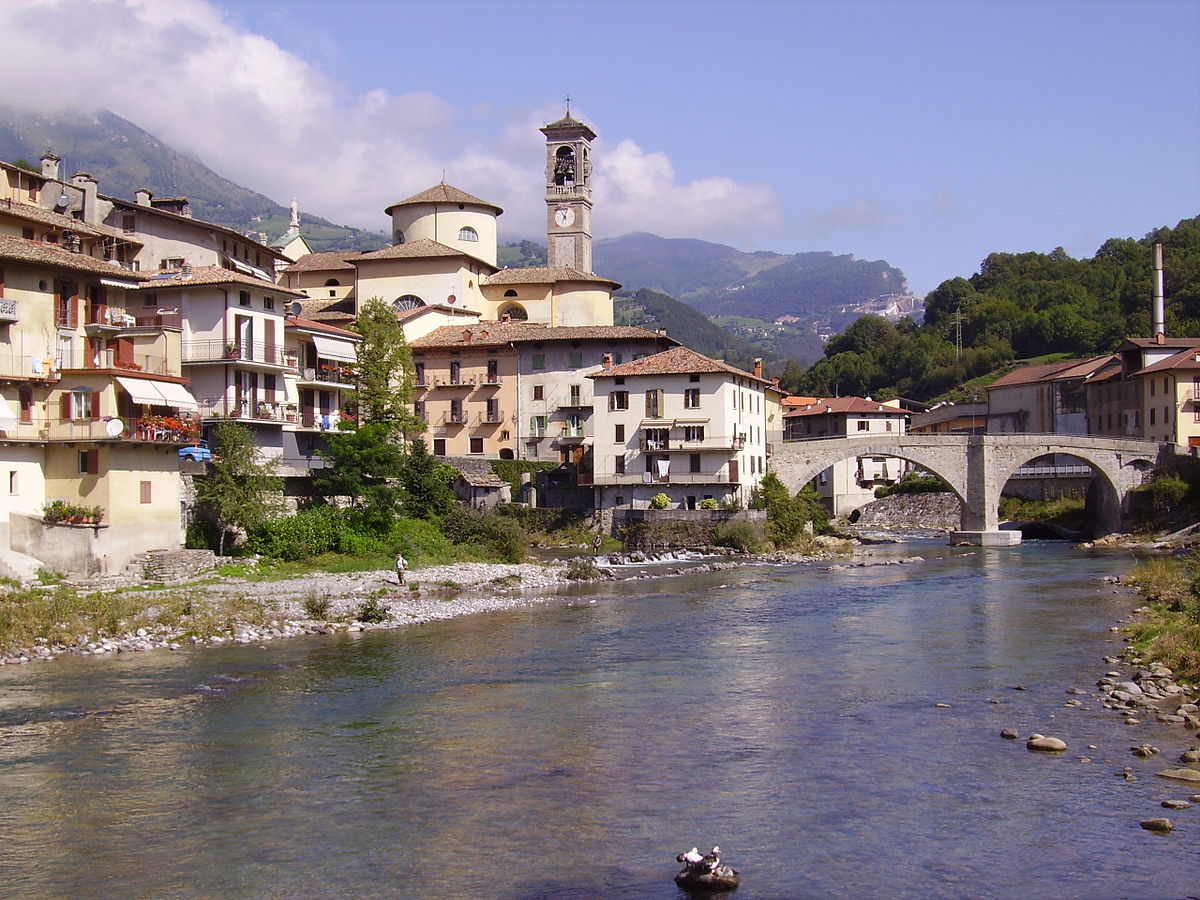
The Brembo River flows through the picturesque landscapes of Lombardy, Italy, offering a captivating blend of natural beauty and cultural heritage. Originating in the Alps, it meanders through charming towns and lush valleys before merging with the Adda River. This river not only serves as a vital waterway for the region but also plays a crucial role in the local ecosystem and recreation. The Brembo is a significant site for outdoor enthusiasts, offering opportunities for activities such as fishing, kayaking, and hiking along its banks. Its importance extends beyond its physical presence; the river embodies the spirit of the Lombardy region, reflecting both its natural splendor and cultural identity.
Geographically, the Brembo is an essential feature of the region, influencing the development of towns and agriculture along its course. The river’s clear waters and surrounding landscapes have inspired countless artists and writers throughout the years. As you explore the Brembo, you will encounter not only breathtaking views but also the rich history of the communities that have thrived alongside its banks. Whether you’re an adventure seeker or a history buff, the Brembo promises a unique experience that highlights the natural and cultural wealth of Lombardy.
History and Significance
The Brembo River has been an integral part of Lombardy’s cultural landscape for centuries. Its origins in the Alpine foothills have made it a vital resource for the local population, providing water for agriculture and a means for transportation. Historically, the river served as a natural boundary, influencing the settlement patterns of various communities in the region. The towns that line its banks have developed unique identities shaped by the river’s presence, with many local traditions and customs linked to its waters.
Throughout history, the Brembo has also held significance in the economic development of Lombardy. Its waters have powered mills and factories, contributing to the region’s industrial growth. The river has witnessed the evolution of the area from a primarily agrarian society to a more diversified economy. As a result, the Brembo has not only shaped the physical landscape but also the socio-economic dynamics of the towns that rely on it.
Culturally, the Brembo has inspired numerous artists and writers, reflecting the natural beauty and tranquility of the river. Its picturesque views have made it a favored subject for painters and photographers, while local folklore and stories have arisen from the river’s banks. The Brembo is more than just a river; it is a cultural landmark that encapsulates the history, identity, and spirit of Lombardy.
Architecture and Features
The Brembo River, while primarily a natural feature, supports a variety of architectural and man-made structures along its banks. As it flows through Lombardy, it showcases a harmonious blend of nature and human intervention. Bridges spanning the river are often picturesque, reflecting local architectural styles and providing stunning vantage points for views of the surrounding landscape.
The river’s banks are lined with quaint villages and towns, each with its own unique charm. The architecture in these areas often features traditional stone buildings, reflecting the historical significance of the region. Along the river, visitors can find charming cafés and restaurants that offer local cuisine, enhancing the experience of the beautiful natural surroundings.
In addition to the towns that thrive along the Brembo, the river is also home to various natural features. The clear waters and surrounding greenery create a vibrant ecosystem that supports a range of wildlife. The banks of the river are often adorned with lush vegetation, providing habitats for birds and other animals. This natural beauty, combined with the cultural attributes of the nearby towns, makes the Brembo a unique destination for nature lovers and history enthusiasts alike.
Visiting Information
Visiting the Brembo River offers a range of experiences, from leisurely walks along its banks to more adventurous activities such as kayaking or fishing. To reach the river, visitors can use various modes of transportation, including personal vehicles and public transport. The river’s location in Lombardy makes it accessible from many nearby towns and cities.
While there are no specific admission fees associated with visiting the river, it is advisable to check the official website for any guided tours or organized activities that may require advance booking or payment. Visitors can expect to spend a few hours exploring the area, enjoying picturesque views, and taking part in recreational activities. The best times to visit the Brembo are during the spring and summer months when the weather is mild, and the river is at its fullest, offering the most scenic experiences.
As you plan your visit, consider bringing along essentials such as water, snacks, and comfortable footwear, especially if you intend to hike or walk along the riverbanks. Also, be sure to check for any local events or festivals that may be taking place during your visit, as these can enhance your experience and offer a deeper connection to the local culture.
Nearby Attractions
San Pellegrino Terme: This charming spa town, famous for its mineral waters, is located just a short distance from the Brembo River. Visitors can explore its beautiful architecture and enjoy wellness treatments.
Valle Brembana: This valley is renowned for its stunning alpine scenery and outdoor activities, including hiking and skiing in the winter months.
Bergamo: A historic city nearby, Bergamo offers visitors a chance to explore its medieval old town, vibrant cultural scene, and beautiful views from the Città Alta.
Parco dei Colli di Bergamo: This natural park features rolling hills, lush forests, and hiking trails, providing a perfect complement to a visit to the Brembo River.
Lake Endine: A serene lake located not far from the river, Lake Endine is ideal for picnicking, swimming, and enjoying the tranquil surroundings.
Insider Tips
For the best photography opportunities, plan your visit during the golden hours of early morning or late afternoon when the sunlight casts a magical glow over the river and its surroundings. The bridges and towns along the Brembo offer particularly stunning backdrops for photographs.
To avoid crowds, consider visiting during weekdays or early in the morning, especially in peak tourist seasons. This will allow you to enjoy a more peaceful experience while exploring the river and its scenic landscapes.
If you’re interested in water activities, check local rental services for kayaks or canoes and inquire about guided tours that can enhance your experience on the river.
Practical Information
When visiting the Brembo, it’s advisable to bring essentials such as water, snacks, sunscreen, and a hat, particularly during the warmer months. Comfortable walking shoes are recommended if you plan to explore the riverbanks and surrounding areas.
Seasonal considerations are important as well. Spring and summer provide the most favorable weather for outdoor activities, while fall can offer stunning foliage along the river. Winter may provide opportunities for different activities, though it is less frequented by tourists.
For those planning to engage in fishing or kayaking, ensure you have any necessary permits or equipment, and check local regulations beforehand.
Frequently Asked Questions
How long should I spend visiting?
A visit to the Brembo River typically takes a few hours, but you may want to spend more time if you plan to engage in activities or explore nearby towns.
Is photography allowed?
Yes, photography is allowed and encouraged, especially in the scenic areas along the river.
Are there guided tours?
Check the official website for information on guided tours that may be available for visitors.
What’s the best time to visit?
The best time to visit is during the spring and summer months when the weather is mild and the river is at its fullest.
Is it wheelchair accessible?
Some areas along the river may be accessible, but it is best to check specific locations for wheelchair-friendly paths.
Can I buy tickets online?
While visiting the river itself is free, check the official website for information on any activities or tours that may require tickets.
Are there restrooms and cafes?
Facilities vary by location along the river, so it’s advisable to plan accordingly and check for amenities in nearby towns.
What should I wear?
Wear comfortable clothing and shoes suitable for outdoor activities, and consider layering for changes in temperature throughout the day.
Photo Gallery
More in lombardy
Abbazia dei SS. Pietro e Paolo
📍 lombardy, Italy
The Abbazia dei SS. Pietro e Paolo is a historic monastery located in Lombardy, Italy, known for its serene atmosphere and cultural significance.

Abbazia dell'Acquafredda
📍 lombardy, Italy
The Abbazia dell'Acquafredda is a serene monastery located in Lombardy, Italy, near Lake Como, known for its tranquil atmosphere and historical …
Abbazia di S. Giovanni
📍 lombardy, Italy
The Abbazia di S. Giovanni is a historic monastery located in Lombardy, Italy, known for its serene atmosphere and architectural simplicity.
abbazia di San Giovanni
📍 lombardy, Italy
The abbazia di San Giovanni is a historic monastery located in Vertemate con Minoprio, Italy, known for its tranquil ambiance and architectural …

Abbazia di San Nicola (Rodengo Saiano)
📍 lombardy, Italy
The Abbazia di San Nicola is a historic monastery located in Rodengo Saiano, Italy, renowned for its architectural beauty and tranquil ambiance.
Abbey of Cavatigozzi
📍 lombardy, Italy
The Abbey of Cavatigozzi is a historic monastery located in Lombardy, Italy, renowned for its serene ambiance and architectural beauty.
More River

Adige
📍 trentino-alto-adige, Italy
The Adige is a prominent river in northern Italy's Trentino-Alto Adige region, celebrated for its stunning landscapes and cultural significance.

Adigetto
📍 veneto, Italy
Adigetto is a serene river located in the Veneto region of Italy, known for its tranquil waters and natural beauty, offering a peaceful retreat for …
Afra
📍 tuscany, Italy
The Afra is a river in Tuscany, Italy, recognized for its tranquil waters and scenic surroundings that embody the natural beauty of the Italian …
Agamo
📍 lombardy, Italy
The Agamo is a river in Lombardy, Italy, known for its serene waters and the scenic landscapes it traverses, offering a tranquil escape into nature.
Agna
📍 tuscany, Italy
The Agna River is a serene waterway in Tuscany, Italy, known for its picturesque surroundings and the tranquil landscapes it traverses.

Agno
📍 veneto, Italy
The Agno River is a picturesque waterway in Veneto, Italy, recognized for its serene landscape and cultural significance in the region.