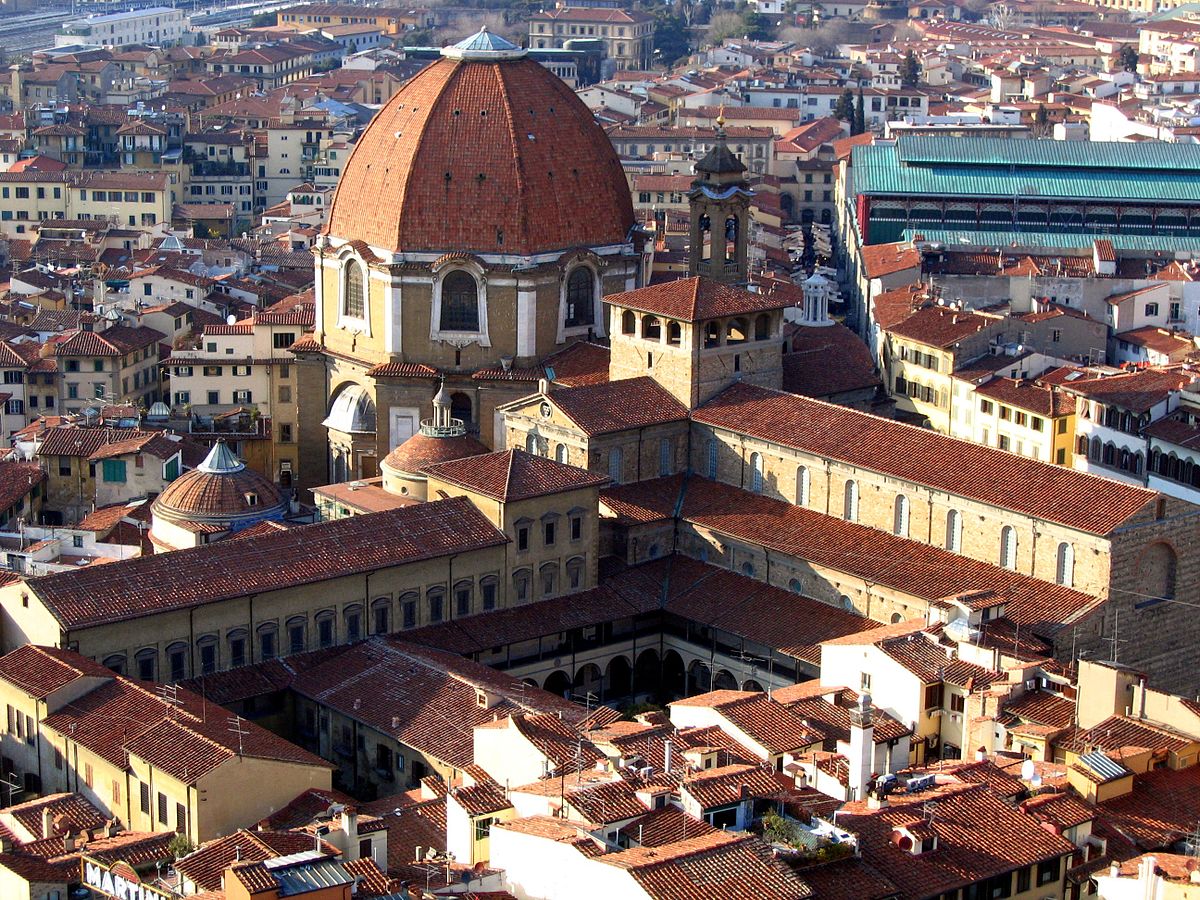


Biblioteca Medicea Laurenziana
Overview
The Biblioteca Medicea Laurenziana, located in the heart of Florence, Italy, serves as both a repository of literary treasures and a masterpiece of architectural design. Commissioned by the Medici family in the 16th century, this library stands as a pivotal cultural institution that has preserved important texts and manuscripts throughout the ages. Its creation was driven by the vision of Cosimo I de’ Medici, who sought to establish a center of learning that would reflect the Humanist ideals of the Renaissance. The library is particularly noted for its connection to the great artist and architect Michelangelo, who designed the magnificent reading room and the staircase that leads to it.
Positioned within the broader context of Florence’s rich artistic and intellectual heritage, the Biblioteca Medicea Laurenziana not only houses thousands of manuscripts but also represents the Medici family’s significant influence on the arts and education during the Renaissance. Visitors to the library can expect to encounter not just a vast collection of historical texts but also an architectural marvel that embodies the spirit of its time.
History and Significance
The Biblioteca Medicea Laurenziana was established in the mid-16th century under the patronage of the Medici family, a powerful dynasty that played a crucial role in the cultural and political landscape of Florence. The library’s origins trace back to the earlier Medici collections, which were amassed over decades and included works from classical antiquity to contemporary Renaissance texts. Cosimo I de’ Medici envisioned the library as a place where scholars and thinkers could gather, study, and exchange ideas, thus fostering a spirit of inquiry that was central to the Renaissance movement.
The library’s significance extends beyond its physical collection; it symbolizes the Medici’s commitment to the arts and education. The Medici were instrumental in the promotion of Humanism, a philosophy that emphasized the value of human potential and achievements. This library served as a critical space for scholars such as Marsilio Ficino and Giovanni Pico della Mirandola, who were pivotal figures in the revival of classical thought.
Architectural design played a significant role in the library’s allure, particularly the work of Michelangelo. His design for the reading room is characterized by its striking simplicity and elegant proportions, which have been admired for centuries. The library’s construction utilized local materials, harmonizing with the surrounding Florentine architecture while demonstrating the grandeur of Renaissance ideals.
Over the years, the Biblioteca Medicea Laurenziana has evolved into an important research library, attracting scholars from around the world who come to study its vast collections. It continues to hold a treasure trove of manuscripts, including works by notable authors and philosophers, making it a vital resource for those studying Renaissance literature, philosophy, and history.
Architecture and Features
The Biblioteca Medicea Laurenziana is not only a library but also a masterclass in Renaissance architecture. The building showcases Michelangelo’s distinctive style, which combines classical elements with innovative design solutions. One of the library’s most notable features is the reading room, renowned for its harmonious proportions and serene ambiance. The space is adorned with large windows that allow natural light to pour in, highlighting the rich wooden furnishings and the intricate details of the design.
The staircase leading to the reading room is another architectural highlight, showcasing Michelangelo’s skill in creating fluid forms and dramatic spaces. The staircase is flanked by walls that are embellished with a stunning interplay of light and shadow, drawing the visitor’s eye upward toward the reading room’s vaulted ceiling.
In addition to the architectural elements, the library houses a remarkable collection of manuscripts, many of which are illuminated and richly decorated. The shelves are lined with volumes that reflect the breadth of human knowledge, from religious texts to scientific treatises. The library also features a series of historical artifacts, including ancient globes and maps, that further enhance the experience of visitors.
The Biblioteca Medicea Laurenziana stands as a testament to the Renaissance’s commitment to knowledge and the arts, with its architecture and collections continuing to inspire awe and admiration.
Visiting Information
To make the most of your visit to the Biblioteca Medicea Laurenziana, it is advisable to plan ahead. The library is located in Florence, easily accessible by public transport. Visitors can reach the library via bus or tram from various points in the city, and parking options are available nearby for those driving.
Before your visit, check the official website for current information regarding hours and admission prices, as these can vary. The library typically offers a range of visiting options, including guided tours that provide deeper insights into its history and collections.
Most visitors find that spending around one to two hours in the library allows for a thorough exploration of its key features, including the reading room and the manuscript collection. To avoid crowds, consider visiting during weekdays or early in the morning when the library opens.
The best times to visit are during spring and fall when the weather is mild, allowing for a comfortable experience as you explore the library and the surrounding area.
Nearby Attractions
While visiting the Biblioteca Medicea Laurenziana, take the opportunity to explore several nearby attractions that enrich the experience of your trip to Florence:
San Lorenzo Basilica: Located just a short walk away, this historic church is known for its grand architecture and beautiful artworks, including pieces by Michelangelo.
Medici Chapels: Adjacent to the basilica, the chapels serve as the final resting place for many members of the Medici family and feature remarkable sculptures and tombs.
Piazza della Signoria: A vibrant square that serves as the city’s political heart, it is home to the Palazzo Vecchio and impressive sculptures, including a replica of Michelangelo’s David.
Uffizi Gallery: One of the most famous art museums in the world, the Uffizi houses an extensive collection of Renaissance art, making it a must-visit for art lovers.
Florence Cathedral (Duomo): A short stroll away, this iconic cathedral features a stunning dome designed by Brunelleschi and offers breathtaking views of the city from its terrace.
Insider Tips
To enhance your visit to the Biblioteca Medicea Laurenziana, consider a few insider tips:
Photography: Be mindful that photography may be restricted in certain areas of the library to protect the manuscripts and artworks. Always check for signage or ask staff for guidance.
Crowd Avoidance: To enjoy a quieter experience, visit during the early hours or towards closing time, especially on weekdays when fewer tourists are present.
Guided Tours: If available, consider joining a guided tour to gain deeper insights into the library’s history, architecture, and collections. Knowledgeable guides can provide context that enriches your visit.
Practical Information
When planning your visit to the Biblioteca Medicea Laurenziana, keep the following practical considerations in mind:
What to Bring: Essentials include a valid ID for entry, comfortable walking shoes, and a notebook if you wish to jot down notes or impressions.
Seasonal Considerations: Florence experiences warm summers and cooler winters. Check the weather forecast before your visit and dress accordingly, as the library can be cool inside.
Accessibility: While the library aims to be accessible, check the official website for specific information regarding wheelchair access and any available accommodations.
Frequently Asked Questions
How long should I spend visiting?
Plan to spend approximately one to two hours exploring the library to fully appreciate its architecture and collections.
Is photography allowed?
Photography may be restricted in certain areas to protect the manuscripts. Always check for signage or consult with library staff.
Are there guided tours?
Yes, guided tours are often available and provide valuable insights into the library’s history and collections.
What’s the best time to visit?
The best time to visit is during weekdays, particularly in the morning or late afternoon, to avoid crowds.
Is it wheelchair accessible?
Check the official website for specific information regarding accessibility options within the library.
Can I buy tickets online?
It’s advisable to check the official website for information on ticket purchases, as online options may vary.
Are there restrooms and cafes?
Facilities may be available, but it’s best to check the library’s official website for up-to-date information.
What should I wear?
Dress comfortably and respectfully, keeping in mind that some areas may require modest attire.
In conclusion, the Biblioteca Medicea Laurenziana is more than just a library; it is a significant cultural institution that reflects the intellectual spirit of the Renaissance. Its architectural beauty and rich collections make it a must-visit destination for anyone interested in history, literature, and the arts.
Photo Gallery
Visit Information
Quick Facts
- Heritage Type
- Library
- Region
- tuscany
- Wikidata ID
- Q856419
More in tuscany

Abbazia di San Gaudenzio
📍 tuscany, Italy
The Abbazia di San Gaudenzio is a historic abbey located in San Gaudenzio, Tuscany, Italy, notable for its architectural elegance and spiritual …

Abbey of St Maria del Monte
📍 tuscany, Italy
The Abbey of St Maria del Monte is a historic church building located in Cesena, Italy, celebrated for its architectural beauty and serene ambiance.
Abiogen Pharma
📍 tuscany, Italy
Abiogen Pharma is an educational institution located in Pisa, Italy, recognized for its contributions to pharmaceutical education and research.

Academia de la Crusca library
📍 tuscany, Italy
The Academia de la Crusca library is a historic library located in Tuscany, Italy, renowned for its dedication to the Italian language and its …

Acquedotto leopoldino
📍 tuscany, Italy
The Acquedotto Leopoldino is an impressive aqueduct system located in Livorno, Tuscany, Italy, recognized for its historical significance and …

Acquedotto Lorenese
📍 tuscany, Italy
The Acquedotto Lorenese is a historic aqueduct located in Campiglia Marittima, Tuscany, Italy, known for its 19th-century architecture and engineering …
More Library
Academia de la Crusca library
📍 tuscany, Italy
The Academia de la Crusca library is a historic library located in Tuscany, Italy, renowned for its dedication to the Italian language and its …
Alca - Museum and public library
📍 apulia, Italy
Alca - Museum and Public Library is a cultural complex located in Maglie, Italy, renowned for its rich collection of resources and community programs.
Aquinas Library, Pius XII Institute Graduate School of Fine Arts, Firenze (I-Faq)
📍 tuscany, Italy
The Aquinas Library at the Pius XII Institute Graduate School of Fine Arts in Firenze, Italy, is a unique academic resource renowned for its extensive …
Archivi Musicali della RAI, Milano (I-Mrai)
📍 lombardy, Italy
The Archivi Musicali della RAI in Milan, Italy, is a vital library housing an extensive collection of Italian music and audio archives, showcasing the …
Archivio del Duomo, Biblioteca Piccolomini e Opera Metropolitana
📍 tuscany, Italy
The Archivio del Duomo, Biblioteca Piccolomini e Opera Metropolitana is a significant library and archive located in Siena, Italy, known for its …
Archivio delle tesi di laurea dell'Università degli studi di Milano
📍 lombardy, Italy
The Archivio delle tesi di laurea dell'Università degli studi di Milano is a library in Milan, Italy, known for its extensive collection of graduate …