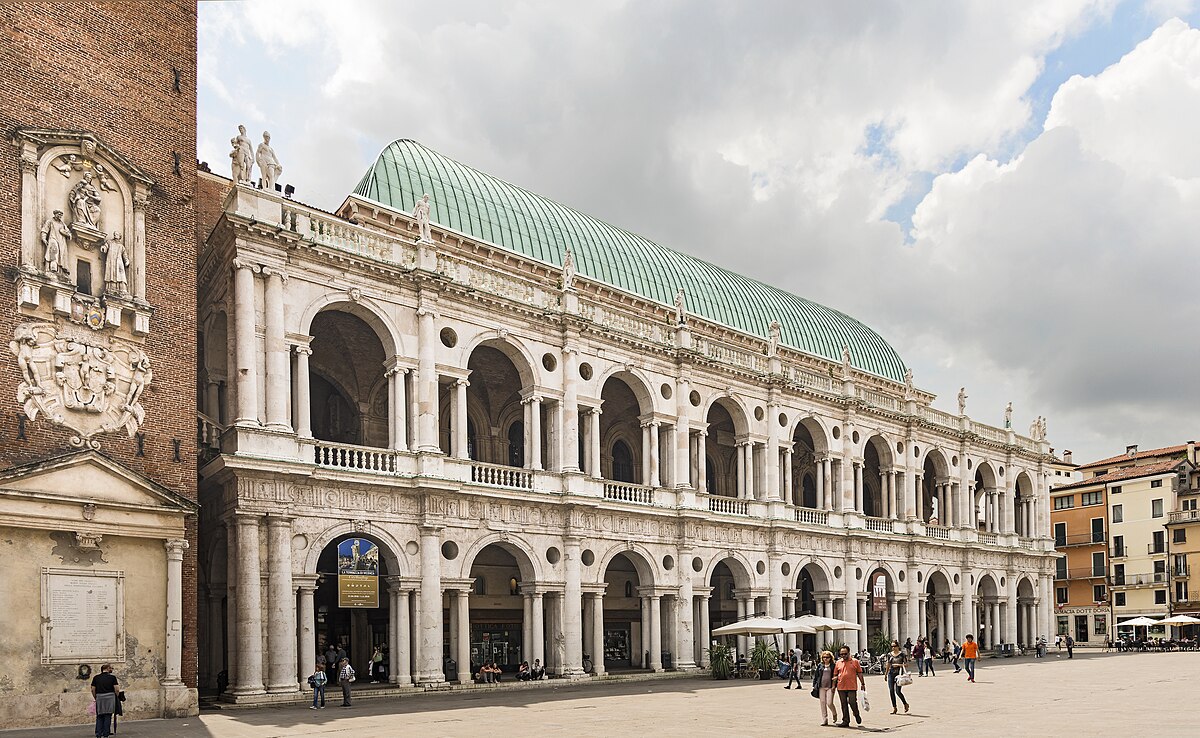


Basilica Palladiana
Overview
The Basilica Palladiana stands as a hallmark of Renaissance architecture in the heart of Vicenza, a city that flourished in the 16th century. It reflects not only the innovative spirit of its architect, Andrea Palladio, but also the rich cultural and historical fabric of the Veneto region. This architectural marvel was originally constructed as a town hall but has transcended its functional roots to become an emblem of Vicenza’s artistic heritage. Visitors are drawn not only by its aesthetic appeal but also by its significance as a UNESCO World Heritage Site, recognized for its contribution to the field of architecture and urban design.
Vicenza is located in northern Italy, surrounded by picturesque hills and close to the broader cultural offerings of the Veneto region. The Basilica Palladiana is a key stopping point for travelers exploring the area’s wealth of historical sites, making it a must-visit landmark for architecture enthusiasts and history buffs alike. The building’s striking façade, featuring Palladio’s characteristic loggias and intricate details, invites exploration and admiration, promising an enriching experience for all who visit.
History and Significance
Constructed in the mid-16th century, the Basilica Palladiana was designed by Andrea Palladio, an architect whose work has left an indelible mark on Western architecture. Originally known as the Palazzo della Ragione, it served as the town hall of Vicenza and a hub for civic life. Palladio’s design introduced a harmonious blend of classical elements, including columns and arches, which came to define the Palladian style. The building’s layout and proportions reflect the Renaissance ideals of symmetry and balance, setting a standard for future architectural endeavors.
Over the centuries, the Basilica has undergone various modifications and restorations. However, Palladio’s vision has largely endured, allowing contemporary visitors to appreciate its design as it was intended. In 1994, the Basilica Palladiana was inscribed as a UNESCO World Heritage Site, recognized for its exceptional architectural significance and its role in the development of Renaissance architecture. This designation underscores the building’s importance not just to Vicenza but to the broader narrative of architectural history.
The Basilica also occupies a central role in Vicenza’s social and cultural life. It hosts various exhibitions, cultural events, and public gatherings, thus continuing to serve the community as a vibrant center for interaction and creativity. This connection to contemporary life ensures that the Basilica Palladiana remains a living landmark, bridging the past and the present.
Architecture and Features
The Basilica Palladiana is renowned for its striking façade, characterized by a series of loggias supported by elegant columns. Palladio’s use of the classical orders—Doric, Ionic, and Corinthian—demonstrates his mastery of proportion and harmony. The building’s impressive dimensions and the interplay of light and shadow create a dynamic visual experience that captivates visitors.
The loggias are perhaps the most distinctive feature of the Basilica, offering a generous space for gatherings and allowing for expansive views of the surrounding piazza. The arches of the loggias are designed to provide both structural support and aesthetic appeal, blending functionality with beauty. The upper level features a series of windows that enhance the building’s verticality, drawing the eye upward and emphasizing its grandeur.
A key architectural innovation of the Basilica is its use of materials. Constructed primarily of brick and stone, the façade is finished with a smooth plaster that enhances the play of light on its surface. The careful detailing of the columns, friezes, and cornices exemplifies Palladio’s commitment to craftsmanship and design.
Inside, the Basilica houses a variety of spaces that have been adapted for modern use while preserving their historical significance. Visitors can explore the interior, which includes exhibition areas and event spaces, all of which are designed to showcase the building’s architectural beauty while serving contemporary needs.
Visiting Information
When planning a visit to the Basilica Palladiana, there are several factors to consider. Located in the center of Vicenza, the Basilica is easily accessible via public transportation, including buses and trains that connect to major cities in the Veneto region. Upon arrival, visitors can expect to find well-marked signs directing them to the Palazzo.
Check the official website for current information regarding opening hours and ticket prices. It is advisable to allocate at least one to two hours for a thorough visit, which allows time to appreciate the architecture, explore the exhibitions, and take in the surrounding area.
The best times to visit are during the spring and fall months when the weather is mild and the tourist crowds are less intense. Early morning or late afternoon visits can provide a quieter experience, allowing for a more personal connection to the site.
Nearby Attractions
Vicenza is home to several notable attractions that complement a visit to the Basilica Palladiana:
Teatro Olimpico: This is another of Palladio’s masterpieces, known as the oldest surviving enclosed theater in the world. Visitors can explore its stunning interior, which showcases elaborate stage designs.
Villa La Rotonda: Located just outside the city, this villa is another iconic Palladian design, celebrated for its symmetrical plan and harmonious proportions.
Piazza dei Signori: The main square of Vicenza, this lively plaza is surrounded by historic buildings and provides a perfect setting for enjoying local cafes and shops.
Museo del Palladio: This museum is dedicated to the life and works of Andrea Palladio, offering deeper insights into his architectural philosophy and impact.
Chiesa di Santa Corona: A beautiful church featuring stunning artwork, this is a peaceful spot for reflection and exploration of Vicenza’s religious heritage.
Insider Tips
To make the most of your visit to the Basilica Palladiana, consider these insider tips:
Photography: The exterior of the Basilica offers excellent photo opportunities, particularly during the golden hours of sunrise and sunset. Inside, be sure to check for any restrictions on photography.
Crowd Avoidance: Visiting mid-week or during off-peak hours can help you avoid the largest crowds, allowing for a more intimate experience.
Guided Tours: If you are particularly interested in the architectural details or history, consider joining a guided tour. This can enhance your understanding and appreciation of Palladio’s work.
Practical Information
When preparing for your visit to the Basilica Palladiana, here are some practical considerations:
What to Bring: Comfortable walking shoes are recommended, as you will likely be exploring both the interior and exterior of the building. A camera is a must for capturing the stunning details.
Seasonal Considerations: Vicenza experiences a temperate climate, so dress accordingly. Summers can be quite warm, while winters may be chilly. Check the forecast before your visit to ensure a comfortable experience.
Accessibility: The Basilica is equipped to accommodate visitors with mobility challenges. However, it is advisable to check the official website for specific accessibility information.
Frequently Asked Questions
How long should I spend visiting?
A visit typically lasts about 1 to 2 hours, allowing time for exploration and appreciation of the architecture.
Is photography allowed?
Photography is generally permitted, though restrictions may apply in certain areas. Check for signs upon entry.
Are there guided tours?
Yes, guided tours are available and can provide deeper insights into the architectural significance of the Basilica.
What’s the best time to visit?
The best times are during spring and fall for milder weather and fewer crowds. Early mornings or late afternoons are also ideal.
Is it wheelchair accessible?
Yes, the Basilica Palladiana is accessible for visitors with mobility challenges. Check the official website for specific details.
Can I buy tickets online?
It is advisable to check the official website for information on ticket purchasing options and availability.
Are there restrooms and cafes?
Facilities are available on-site, including restrooms. Nearby cafes and restaurants offer local dining options.
What should I wear?
Comfortable attire and walking shoes are recommended, particularly for exploring the surrounding areas.
The Basilica Palladiana stands not only as a significant architectural achievement but also as a vibrant hub of cultural activity in Vicenza. Whether you’re an architecture aficionado or simply curious about the region’s history, a visit to this iconic palace is sure to leave a lasting impression.
Photo Gallery
Location
Visit Information
Quick Facts
- Heritage Type
- Palace
- Region
- veneto
- Wikidata ID
- Q284719
More in veneto

Abbazia della Misericordia
📍 veneto, Italy
The Abbazia della Misericordia is a historic former church and abbey in Venice, Italy, renowned for its architectural significance and rich cultural …

Abbazia di Pomposa
📍 veneto, Italy
The Abbazia di Pomposa is a historic church building located in Pomposa, Codigoro, Italy, known for its architectural features and serene atmosphere.
Abbazia di San Bartolo
📍 veneto, Italy
The Abbazia di San Bartolo is a historic monastery located in Aguscello, Ferrara, Italy, known for its serene atmosphere and architectural …

Abbey of Santa Giustina
📍 veneto, Italy
The Abbey of Santa Giustina is a historic basilica in Padua, Italy, celebrated for its stunning architecture and religious significance.

Adigetto
📍 veneto, Italy
Adigetto is a serene river located in the Veneto region of Italy, known for its tranquil waters and natural beauty, offering a peaceful retreat for …

Adria Cathedral
📍 veneto, Italy
Adria Cathedral is a historic church building located in Adria, Italy, renowned for its architectural beauty and cultural significance in the Veneto …
More Palace

Archbishop's Palace
📍 campania, Italy
The Archbishop's Palace is a historic palace located in Naples, Italy, known for its architectural elegance and cultural significance in the region.

Bevilacqua Palace
📍 veneto, Italy
The Bevilacqua Palace is a historic palace located in Verona, Italy, renowned for its architectural elegance and cultural significance in the region.

Ca Cappello
📍 veneto, Italy
Ca Cappello is a historic palace located in Venice, Italy, renowned for its architectural elegance and cultural significance in the heart of the city.

Ca Robegan
📍 veneto, Italy
Ca Robegan is a historic palace located in Treviso, Italy, known for its architectural elegance and cultural significance in the Veneto region.

Ca' Amalteo
📍 veneto, Italy
Ca' Amalteo is a historic palace in Venice, Italy, renowned for its architectural elegance and rich cultural heritage.
Ca' Caotorta
📍 veneto, Italy
Ca' Caotorta is a historic palace in Venice, Italy, known for its unique architectural style and cultural significance in the heart of the city.