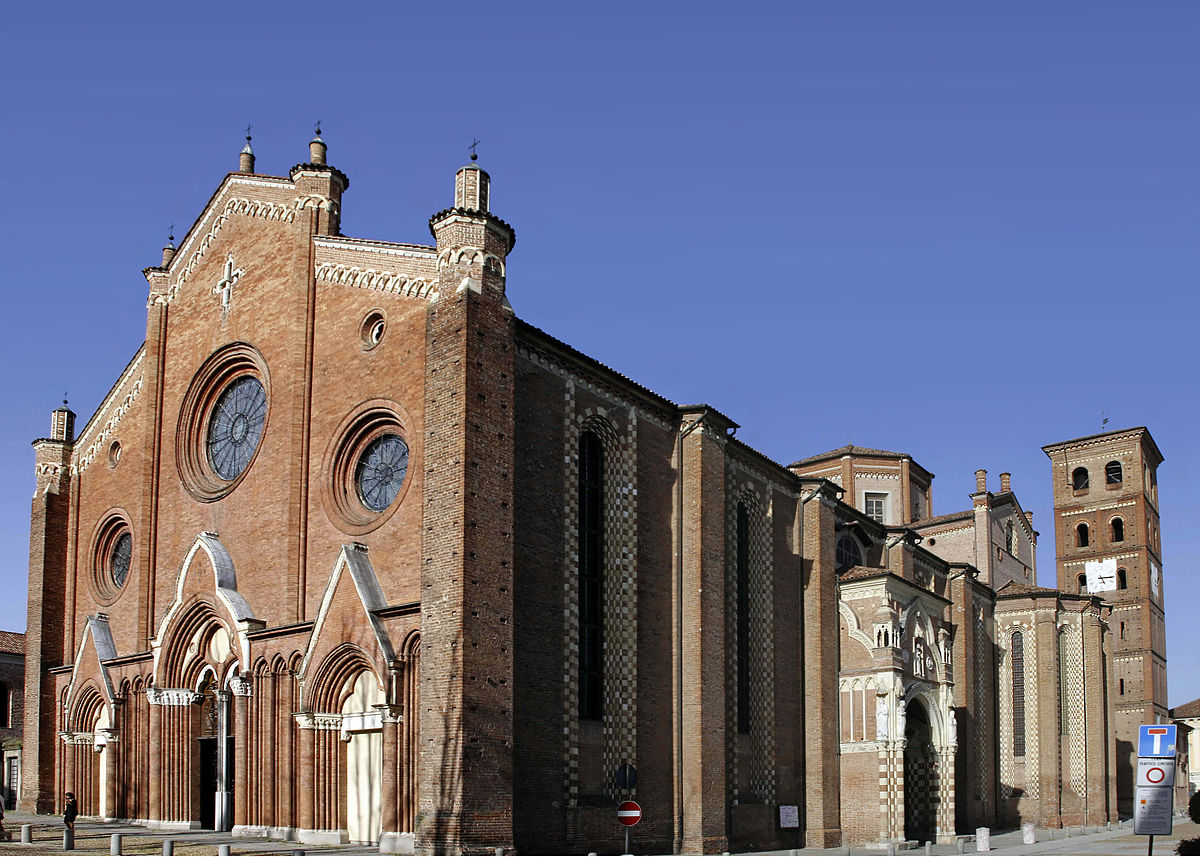


Asti Cathedral
Overview
Asti Cathedral, officially known as the Cathedral of Santa Maria Assunta, is a prominent landmark in the heart of Asti, a city steeped in rich history and tradition. Located in the scenic Piedmont region of Italy, this cathedral is not only a spiritual center but also a significant piece of the city’s cultural heritage. Its impressive architecture and historical relevance attract visitors from around the world, making it a must-see destination for anyone exploring the area.
The cathedral’s origins can be traced back to the early medieval period, and it has undergone numerous renovations and expansions over the centuries. This long history contributes to its unique character, reflecting various architectural styles that have influenced its design. Visitors to Asti Cathedral can expect to encounter a blend of artistry, spirituality, and history, all within the serene atmosphere of this sacred space.
As you wander through the cathedral, you’ll be enveloped by a sense of reverence and wonder, enhanced by the intricate details found in its artistic elements and the stories they tell. Asti Cathedral serves as a testament to the resilience of faith and the enduring beauty of ecclesiastical architecture, inviting guests to pause and reflect on its significance both as a place of worship and a historical monument.
History and Significance
The history of Asti Cathedral is as intricate as its design, reflecting the evolution of the city itself over centuries. While specific dates regarding its initial construction are unclear, it is widely recognized that the cathedral’s site has served as a focal point for Christian worship since the early Middle Ages. The cathedral has been a critical part of Asti’s identity, playing a vital role in the spiritual life of its residents.
Throughout the ages, Asti Cathedral has witnessed numerous events that have shaped the region. It has been the site of important religious ceremonies, community gatherings, and even political events. The cathedral has served as a sanctuary for the people of Asti through times of joy and hardship, making it a symbol of hope and resilience for the community.
In the 19th century, significant restoration work was undertaken to preserve the cathedral’s structure and enhance its artistic elements. These renovations have allowed the cathedral to maintain its grandeur, ensuring that it continues to be a vital part of Asti’s cultural landscape. The cathedral’s role extends beyond that of a religious building; it is a gathering place that unites the community and fosters a sense of belonging.
Visitors to Asti Cathedral can appreciate not only its aesthetic beauty but also its rich historical narrative. The stories etched into its walls and the art that adorns its interior offer a glimpse into the lives of those who have worshipped here over the centuries. This deep connection to the past enriches the experience for all who enter.
Architecture and Features
Asti Cathedral is an architectural marvel that showcases a blend of styles, reflecting the various influences that have shaped its design over the years. The exterior features a striking façade characterized by elements of Romanesque architecture, such as rounded arches and intricate stone carvings. The sturdy bell tower, a prominent feature of the skyline, adds to the cathedral’s impressive silhouette.
Upon entering the cathedral, visitors are greeted by a grand interior that is both spacious and inviting. The nave is lined with exquisite columns that support a vaulted ceiling, creating an atmosphere of divine tranquility. Light filters through beautifully crafted stained glass windows, casting colorful patterns on the stone floor and illuminating the intricate details of the interior.
Notable features within the cathedral include the altar, which is often adorned with ornate decorations and religious iconography. The artwork throughout the space, including statues and frescoes, tells the stories of saints and biblical events, inviting reflection and contemplation. The careful craftsmanship and attention to detail highlight the dedication of the artists and builders who contributed to this sacred space.
The combination of architectural elements, artworks, and historical significance establishes Asti Cathedral as a key example of ecclesiastical architecture in Italy. It stands not only as a place of worship but also as a living museum, where visitors can engage with the artistic and spiritual heritage of the region.
Visiting Information
Asti Cathedral is conveniently located in the center of Asti, making it easily accessible for both locals and tourists. The cathedral is open to the public, allowing visitors to explore its beauty and significance at their leisure. For the most accurate and up-to-date information regarding visiting hours and any potential entry fees, check the official website before planning your visit.
When visiting Asti Cathedral, expect to spend around one to two hours exploring its various features and taking in the serene atmosphere. The best times to visit are typically in the morning or late afternoon when the light enhances the beauty of the stained glass windows and the cathedral’s interior.
Transport options to the cathedral are plentiful, with public transportation and parking facilities available nearby. The cathedral’s central location also allows for a pleasant stroll through the surrounding historic district, where you can discover charming streets and local shops.
As you explore the cathedral, be prepared for a peaceful experience. The ambiance is often calm, providing a perfect setting for reflection and contemplation. Whether you’re interested in art, history, or spirituality, Asti Cathedral offers a captivating experience for every visitor.
Nearby Attractions
After visiting Asti Cathedral, there are several other attractions in the area worth exploring:
Piazza San Secondo: This beautiful square is located just a short walk from the cathedral and features a variety of shops, cafes, and restaurants, perfect for a leisurely afternoon.
Palazzo Mazzetti: A historic palace showcasing a collection of art and artifacts that reflect the cultural heritage of Asti. The palace often hosts exhibitions and events.
Asti’s Historic Center: Stroll through the charming streets of Asti’s historic center, where you’ll find medieval buildings, local markets, and delightful dining options.
Museo Paleontologico: This paleontological museum offers fascinating insights into the prehistoric life of the region, featuring exhibits on fossils and ancient species.
The Church of San Giovanni Battista: Another significant religious site in Asti, this church features stunning art and architecture, making it a worthwhile addition to your itinerary.
Insider Tips
To make the most of your visit to Asti Cathedral, consider these insider tips:
Photography: While photography is generally allowed, be respectful of the sacred space and the worshippers present. Avoid using flash to capture the beauty of the stained glass and interior details.
Crowd Avoidance: To enjoy a more tranquil experience, visit during weekdays or early in the morning. Weekends and holidays can see larger crowds, particularly during religious services.
Dress Appropriately: Since Asti Cathedral is a place of worship, it’s advisable to dress modestly. Visitors should ensure that shoulders and knees are covered as a sign of respect.
Take Your Time: Allow yourself plenty of time to explore the cathedral’s artistry and ambiance fully. Finding a quiet spot to sit and reflect can enhance your experience.
Practical Information
When planning your visit to Asti Cathedral, keep the following practical considerations in mind:
What to Bring: A small bag for personal items is recommended. Consider bringing a camera for capturing the stunning architecture, but be mindful of photography rules.
Seasonal Considerations: The cathedral is open year-round, but visiting during spring or fall can be particularly pleasant due to mild weather. Summers can be hot, while winters may bring colder temperatures.
Accessibility: Check the official website for information on accessibility options if you or someone in your group requires assistance navigating the cathedral.
Local Customs: Familiarize yourself with local customs and etiquette to ensure a respectful experience during your visit.
Frequently Asked Questions
How long should I spend visiting?
A visit to Asti Cathedral typically takes about one to two hours, depending on your interest in exploring its artistic and historical features.
Is photography allowed?
Photography is generally permitted, but it is advisable to avoid using flash and to be respectful of worshippers.
Are there guided tours?
Check the official website for information on guided tours, as they may be offered at certain times.
What’s the best time to visit?
Early morning or late afternoon during weekdays are ideal for a quieter experience, while weekends may attract larger crowds.
Is it wheelchair accessible?
Check the official website for details on accessibility options for visitors with mobility challenges.
Can I buy tickets online?
For the latest information regarding entry fees and ticket purchasing, check the official website.
Are there restrooms and cafes?
Facilities may be available nearby; it’s best to check local options in the surrounding area.
What should I wear?
Dress modestly as a sign of respect, covering shoulders and knees when entering the cathedral.
A visit to Asti Cathedral promises to be a rewarding experience, offering a unique blend of history, architecture, and spirituality in one of Italy’s charming cities.
Photo Gallery
More in piedmont

Abbazia di San Nicolò del Boschetto
📍 piedmont, Italy
The Abbazia di San Nicolò del Boschetto is a historic monastery located in Genoa, Italy, known for its serene ambiance and architectural heritage.

Agape Centro Ecumenico
📍 piedmont, Italy
Agape Centro Ecumenico is an educational institution located in Prali, Italy, offering a unique blend of spiritual retreat and educational programs in …

Agogna
📍 piedmont, Italy
The Agogna is a picturesque river in the Piedmont region of Italy, celebrated for its serene landscapes and ecological importance.

Alba Cathedral
📍 piedmont, Italy
The Alba Cathedral is a Romanesque cathedral located in Alba, Piedmont, Italy, known for its stunning architecture and historical significance.

antica sinagoga di Chieri
📍 piedmont, Italy
The antica sinagoga di Chieri is a historic synagogue located in Chieri, Piedmont, Italy, known for its cultural significance and architectural …

Antonini bridge
📍 piedmont, Italy
The Antonini Bridge is a historic bridge located in Varallo Sesia, Italy, known for its remarkable engineering and picturesque setting.
More Cathedral

Acerenza Cathedral
📍 campania, Italy
Acerenza Cathedral is a historic church located in Acerenza, Italy, renowned for its architectural beauty and cultural significance in the region of …

Acerra Cathedral
📍 campania, Italy
Acerra Cathedral is a historic church building located in Acerra, Campania, Italy, renowned for its architectural features and cultural significance …

Adria Cathedral
📍 veneto, Italy
Adria Cathedral is a historic church building located in Adria, Italy, renowned for its architectural beauty and cultural significance in the Veneto …

Agrigento Cathedral
📍 sicily, Italy
Agrigento Cathedral is a historic church in Agrigento, Sicily, celebrated for its architectural beauty and cultural significance in the region.
Alba Cathedral
📍 piedmont, Italy
The Alba Cathedral is a Romanesque cathedral located in Alba, Piedmont, Italy, known for its stunning architecture and historical significance.

Albenga Cathedral
📍 liguria, Italy
Albenga Cathedral is a historic cathedral located in Albenga, Italy, known for its unique blend of architectural styles and significant cultural …