

Assisi, the Basilica of San Francesco and Other Franciscan Sites
Overview
Assisi, a quaint town in the heart of Umbria, Italy, is celebrated as the birthplace of St. Francis and is home to the Basilica of San Francesco, a UNESCO World Heritage Site. This remarkable site not only attracts pilgrims and tourists alike but also serves as a powerful symbol of peace and spirituality. Visitors are drawn to the basilica’s stunning frescoes, intricate architecture, and the profound legacy of St. Francis, who renounced material wealth to embrace a life of simplicity and service to others.
Surrounded by rolling hills and olive groves, Assisi offers a serene atmosphere that invites contemplation and reflection, making it a perfect destination for those seeking a spiritual journey or a deeper understanding of Franciscan ideals. The basilica complex includes several other significant Franciscan sites, each contributing to the rich narrative of this remarkable heritage. As you explore, you’ll find that Assisi is not just a historical destination but a living testament to faith, art, and history.
History and Significance
The significance of Assisi and the Basilica of San Francesco is rooted in the life and legacy of St. Francis of Assisi, who founded the Franciscan Order in the early 13th century. Though the exact dates of his life are not firmly established, his impact on Christianity and the promotion of a life of poverty and humility have endured through the centuries. St. Francis’s teachings emphasized a deep connection with nature and a commitment to peace, ideals that resonate strongly within the Franciscan community and beyond.
The Basilica of San Francesco was constructed shortly after St. Francis’s death in 1226. It serves as his final resting place and has become a pilgrimage site for countless visitors who seek to pay homage to his memory and teachings. The basilica is remarkable for its innovative Gothic architecture, which was uncommon in Italy at the time. Its design features two main levels: the lower basilica, characterized by its simplicity and the presence of St. Francis’s tomb, and the upper basilica, adorned with exquisite frescoes that depict the life of St. Francis and biblical scenes.
In addition to its architectural and artistic significance, Assisi is also an important center for the Franciscan Order. The town is home to several other Franciscan sites, including the Basilica of Santa Chiara, dedicated to St. Clare, and the Eremo delle Carceri, a hermitage where St. Francis and his followers would retreat for prayer and contemplation. The collective narrative of these sites highlights the enduring impact of Franciscan spirituality on the Catholic Church and the broader community.
The town of Assisi itself is steeped in medieval history, with its narrow streets and ancient stone buildings reflecting the architectural styles of the past. In 1939, the basilica was designated a UNESCO World Heritage Site, recognizing its cultural and historical significance, and ensuring its preservation for future generations.
Architecture and Features
The Basilica of San Francesco is an architectural masterpiece that exemplifies the transition from Romanesque to Gothic styles. The structure is built from local limestone, giving it a warm, inviting appearance. The upper basilica is particularly striking, featuring a soaring nave with intricate vaults and stained glass windows that bathe the interior in colorful light.
One of the most notable features of the upper basilica is its extensive fresco cycle, created by renowned artists such as Giotto di Bondone and his contemporaries. These frescoes depict scenes from the life of St. Francis, illustrating his miracles, his relationship with nature, and his commitment to the poor. The artistry not only showcases the technical skill of the artists but also serves to convey the spiritual messages of St. Francis’s life.
The lower basilica, in contrast, is designed with a more austere aesthetic, reflecting the humility that St. Francis espoused. Here, visitors can find the tomb of St. Francis, which is a focal point of veneration. The atmosphere is solemn and contemplative, inviting guests to reflect on the teachings of the saint.
In addition to the basilica, Assisi is home to several other significant religious structures. The Basilica of Santa Chiara, dedicated to St. Clare, features a beautiful Gothic facade and houses the remains of its namesake. The Eremo delle Carceri, located just outside the town, is a tranquil hermitage surrounded by lush forests, where visitors can explore the caves and chapels used by St. Francis for meditation.
Throughout Assisi, you will encounter charming streets lined with medieval buildings, stone arches, and quaint piazzas. Each corner of the town tells a story, inviting exploration and discovery.
Visiting Information
Assisi is accessible by various means of transport, including trains and buses from major cities like Florence and Rome. The nearest railway station is in Assisi itself, making it convenient for travelers. Upon arriving, visitors can easily navigate the town on foot, as many of the key sites are within walking distance of each other.
When planning your visit, check the official website for current information regarding opening hours and ticket prices for the Basilica of San Francesco and other Franciscan sites. Typically, the basilica is open to the public daily. Expect to spend at least two to three hours exploring the basilica and its surrounding areas.
Assisi is an enchanting destination throughout the year, but the best times to visit are during the spring and fall when the weather is mild and the crowds are fewer. Special events, such as the Feast of St. Francis on October 4th, attract many pilgrims, so plan your visit accordingly if you wish to participate in these celebrations.
Nearby Attractions
While in Assisi, consider visiting the following nearby attractions:
Basilica of Santa Chiara: A short walk from the main basilica, this church honors St. Clare, the founder of the Poor Clares and a follower of St. Francis.
Eremo delle Carceri: Located a few kilometers outside Assisi, this peaceful hermitage offers a serene environment for reflection and retreat.
Rocca Maggiore: This medieval fortress perched above the town provides panoramic views and insights into the region’s history.
Papal Basilica of St. Mary of the Angels: Situated at the foot of Assisi, this basilica is built over the Porziuncola, the small chapel where St. Francis founded the Franciscan Order.
Monte Subasio Natural Park: A short drive from Assisi, this park features hiking trails and beautiful landscapes, ideal for nature lovers.
Insider Tips
When visiting Assisi, consider arriving early in the morning or later in the afternoon to avoid the largest crowds, especially during peak tourist seasons. The basilica can become quite busy, so an early start allows for a more peaceful experience.
For photography enthusiasts, the upper basilica’s frescoes and the town’s medieval architecture provide stunning backdrops. However, be mindful of photography restrictions within the basilica itself, where flash photography may not be permitted.
If you have time, explore the lesser-known streets of Assisi, where you can find charming shops and local eateries that offer authentic Umbrian cuisine.
Practical Information
When visiting Assisi, wear comfortable shoes, as the cobblestone streets can be uneven and steep in places. During the summer months, be prepared for warm temperatures, while winters can be chilly, so dress in layers.
Consider bringing a water bottle to stay hydrated while you explore, and if you plan to spend a significant amount of time outdoors, sunscreen is advisable.
Check the official website for any seasonal events or festivals that may enhance your visit, and always confirm opening hours as they may vary by season.
Frequently Asked Questions
How long should I spend visiting?
It is recommended to spend at least two to three hours at the Basilica of San Francesco, with additional time to explore nearby Franciscan sites.
Is photography allowed?
Photography is allowed in many areas, but restrictions may apply inside the basilica, so be sure to check for signs indicating photography policies.
Are there guided tours?
Yes, guided tours are available and can enhance your understanding of the historical and cultural significance of the basilica and its surroundings.
What’s the best time to visit?
The best times to visit Assisi are during the spring and fall when the weather is pleasant and there are fewer crowds.
Is it wheelchair accessible?
The basilica has some accessibility features, but due to the nature of the historic building and its layout, some areas may be challenging to navigate.
Can I buy tickets online?
Check the official website for information on ticket purchases, as online options may be available.
Are there restrooms and cafes?
Yes, there are restrooms available in and around the basilica, as well as several cafes and restaurants throughout Assisi for refreshments.
What should I wear?
Dress modestly when visiting religious sites, and consider wearing comfortable clothing and shoes suitable for walking on cobblestone streets.
Photo Gallery
More in marche
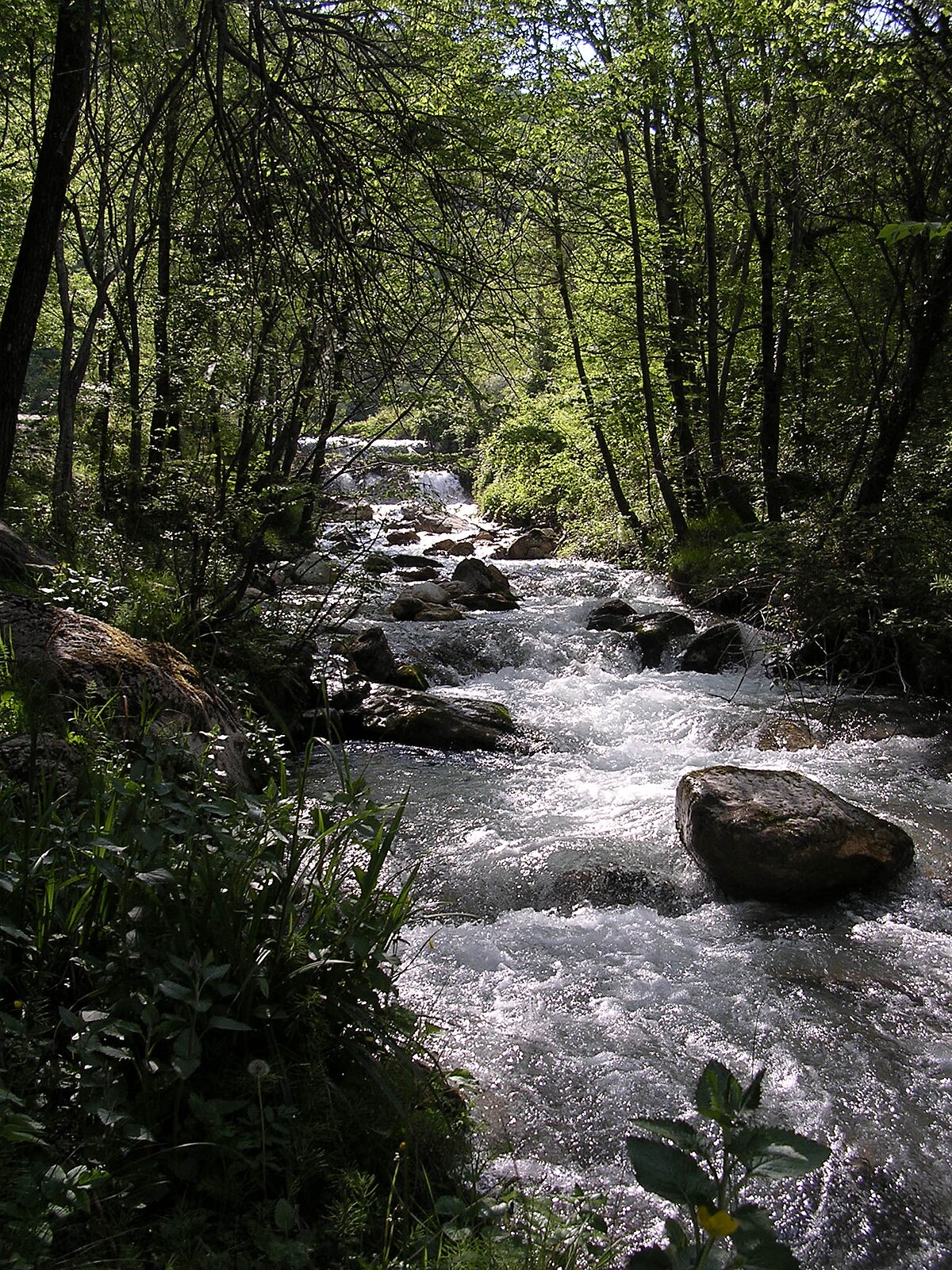
Ambro
📍 marche, Italy
The Ambro River is a picturesque waterway in the Marche region of Italy, known for its serene landscapes and ecological significance.

Ancient Ostra
📍 marche, Italy
Ancient Ostra is an archaeological site located in Marche, Italy, notable for its remnants of an ancient Roman city that offers insights into …

Ancona
📍 marche, Italy
Ancona is a historic city in the Marche region of Italy, renowned for its stunning coastal views and significant maritime heritage.

Antiquarium of Palazzone
📍 marche, Italy
The Antiquarium of Palazzone is a museum located in Perugia, Italy, renowned for its collection of artifacts that showcase the region's rich …
Archivio Diocesano e Biblioteca dell'Arcidiocesi di Pesaro
📍 marche, Italy
The Archivio Diocesano e Biblioteca dell'Arcidiocesi di Pesaro is a conservation library in Marche, Italy, renowned for its extensive collection of …
Archivio e Biblioteca della Cattedrale di S. Rufino (Duomo)
📍 marche, Italy
The Archivio e Biblioteca della Cattedrale di S. Rufino (Duomo) is a historical library and archive located in Assisi, Italy, renowned for its rich …
