


Arch of Septimius Severus (Roman Forum)
Overview
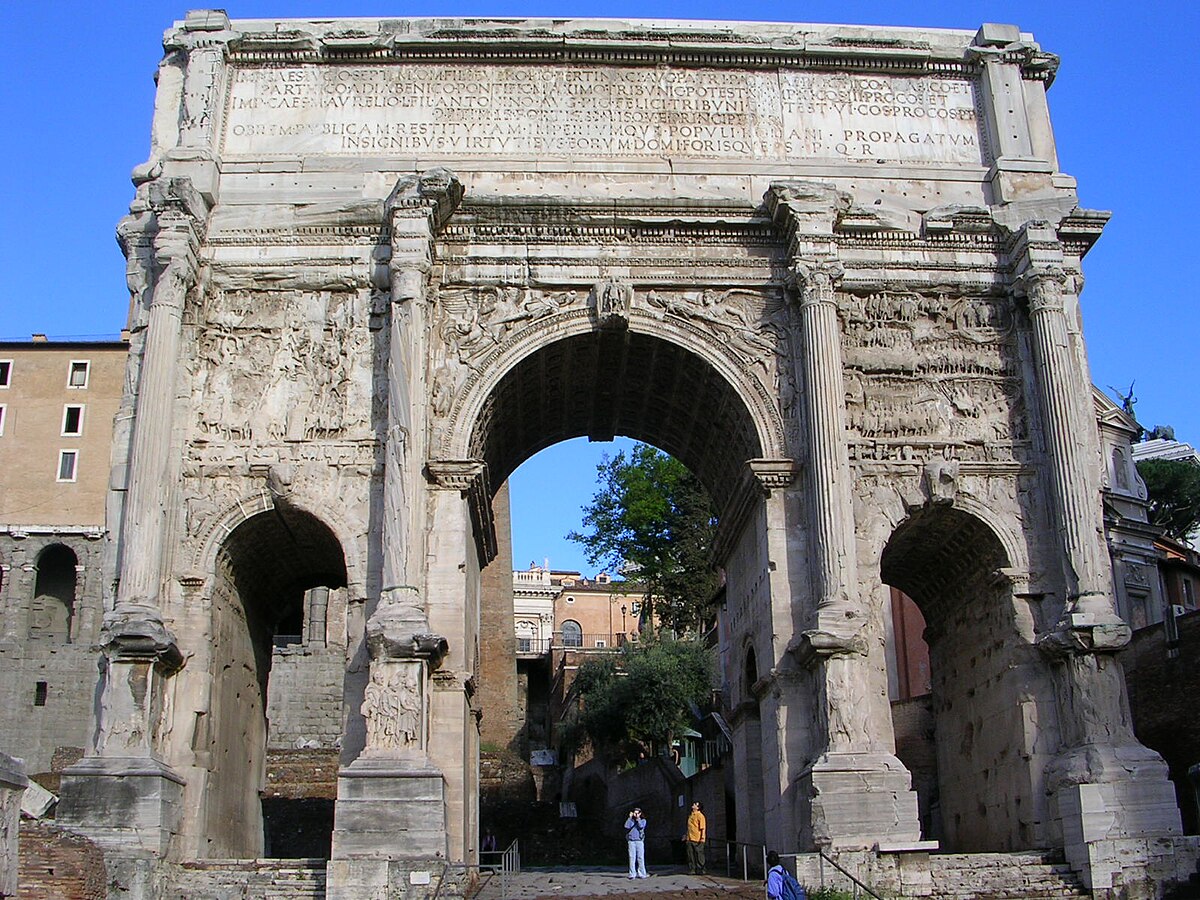
The Arch of Septimius Severus stands as a remarkable feature of the Roman Forum, one of the most significant archaeological sites in Italy. Located in the heart of Rome, this triumphal arch commemorates the military victories of Emperor Septimius Severus and his sons, Geta and Caracalla. Constructed to honor their campaign against the Parthians, the arch not only serves as a symbol of imperial power but also embodies the artistic achievements of Roman architecture during the early 3rd century AD.
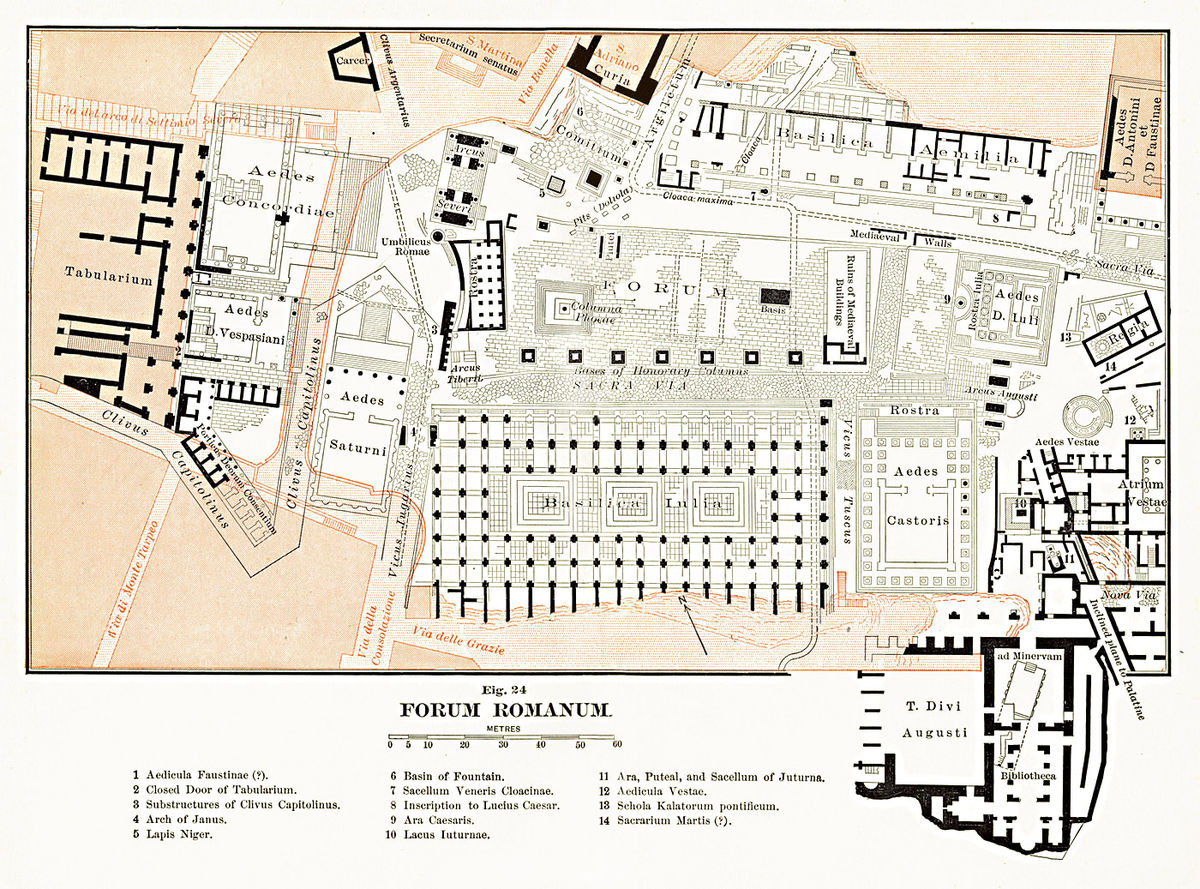
The arch’s strategic location at the entrance of the Forum enhances its visibility and importance, providing a majestic backdrop to the bustling life of ancient Rome. Visitors to the site are drawn not only by its historical significance but also by its intricate reliefs, which depict various scenes of battle and sacrifice, illustrating the might of the Roman Empire. The Arch of Septimius Severus invites exploration and contemplation, offering a glimpse into the grandeur of Rome’s imperial past.
History and Significance
The Arch of Septimius Severus was erected following the emperor’s victorious campaign against the Parthians, a powerful empire that posed a significant threat to Rome. Though specific dates of completion are not provided, the arch is generally attributed to the early 3rd century AD, a period marked by significant military expansion and consolidation of power within the empire.
Septimius Severus, who ruled from 193 to 211 AD, was the first African-born emperor of Rome, and his reign is often characterized by military reforms and extensive campaigns that reinforced Roman influence across the provinces. The arch not only celebrates his achievements but also serves as a political statement, emphasizing the unity of the emperor and his two sons, who were co-emperors during his rule. This familial portrayal was significant in a time when succession and legitimacy were often contested.
The arch’s design reflects the artistic trends of the time, characterized by a blend of classical and baroque elements. The intricate relief sculptures that adorn its façade narrate the story of Severus’s military exploits, depicting scenes of battle and the emperor receiving blessings from the gods. These artistic choices highlight the importance of divine favor in securing victory and legitimizing authority.
In addition to its military significance, the arch represents a pivotal moment in Roman history when the empire was expanding its borders and solidifying its power. The Arch of Septimius Severus stands as a testament to the era’s political and cultural dynamics, making it a vital site for understanding the complexities of Roman imperial history.
Architecture and Features
The Arch of Septimius Severus is an impressive example of Roman architecture, standing approximately 23 feet high and spanning about 25 feet wide. Its design features a traditional triumphal arch layout, consisting of three openings, with the central arch being significantly larger than the two flanking arches. This structure not only serves an aesthetic purpose but also symbolizes the grandeur of the emperor’s achievements.
The façade of the arch is adorned with intricate reliefs that tell the story of Severus’s military campaigns. The reliefs depict various scenes, including the emperor leading his troops into battle, receiving captives, and making offerings to the gods. These detailed carvings are not merely decorative; they serve as a narrative device that communicates the emperor’s power and divine favor.
One of the most notable features of the arch is the inscription that runs along the top, which proclaims the achievements of Severus and his sons. The text emphasizes their military prowess and the blessings they received from the gods, reinforcing the connection between divine support and imperial authority.
The arch’s construction utilizes a combination of travertine and marble, materials commonly found in Roman architecture. This choice not only adds to the monument’s durability but also enhances its visual impact, allowing it to stand the test of time amid the ruins of the Forum.
As visitors approach the arch, they are often struck by its monumental scale and the artistry of its carvings. The combination of historical significance, intricate design, and artistic mastery makes the Arch of Septimius Severus a focal point for those exploring the Roman Forum.
Visiting Information
Visiting the Arch of Septimius Severus is an essential part of experiencing the Roman Forum. The Forum is accessible via several entrances, with the main access point often being through the Colosseum area. Public transport options, including buses and the metro, provide convenient access to this historical site. Check the official website for current information regarding operating hours and ticket prices.
When planning a visit, allocate at least one to two hours to fully appreciate the arch and its surrounding context within the Forum. The best times to visit are typically early in the morning or late in the afternoon when the lighting is optimal for photography and the crowds are thinner.
Expect to encounter a variety of other significant ruins nearby, including temples, basilicas, and the remnants of ancient marketplaces. This rich tapestry of history allows visitors to immerse themselves in the daily life of ancient Rome.
Nearby Attractions
While exploring the Roman Forum, consider visiting these nearby attractions to enrich your experience:
Colosseum: Just a short walk away, this iconic amphitheater is a must-see for its grand architecture and historical significance as a venue for gladiatorial contests and public spectacles.
Palatine Hill: Adjacent to the Forum, this area is known as the birthplace of Rome and offers stunning views of the Forum and the Circus Maximus.
Capitoline Museums: Just a bit further afield, these museums house an extensive collection of art and artifacts from ancient Rome, providing deeper insights into the empire’s history.
Basilica di San Clemente: Located not far from the Forum, this layered church showcases the architectural evolution of Rome through its three distinct levels, each representing a different era.
Trajan’s Market: Often considered the world’s oldest shopping mall, this complex offers a glimpse into the commercial life of ancient Rome and is situated close to the Forum.
Insider Tips
To make the most of your visit to the Arch of Septimius Severus, consider these insider tips:
Photography: Early morning or late afternoon light enhances the beauty of the arch and its carvings, making for excellent photographs. Be mindful of the angles that capture the reliefs in detail.
Crowd Avoidance: Visiting on weekdays or during the shoulder seasons of spring and fall can help you avoid larger tourist crowds, allowing for a more contemplative experience.
Guided Tours: Consider joining a guided tour that covers the Roman Forum and the Arch of Septimius Severus. Expert guides can provide valuable context and stories that enrich your understanding of the site.
Practical Information
When preparing for your visit to the Arch of Septimius Severus, keep these practical considerations in mind:
What to Bring: Comfortable walking shoes are essential, as the Forum is expansive and requires considerable walking. Bring water, a hat, and sunscreen, especially during the warmer months.
Seasonal Considerations: Rome experiences a Mediterranean climate, so visiting in spring or fall is ideal for pleasant weather. Summer can be hot and crowded, while winter offers a quieter experience but may be chilly.
Accessibility: Check the official website for information on accessibility options if you or a member of your party requires assistance.
Dining Options: While there are no cafes within the Forum, several establishments nearby offer refreshments. Plan for breaks to enjoy the local cuisine.
Frequently Asked Questions
How long should I spend visiting?
Allocate at least one to two hours to explore the Arch of Septimius Severus and the surrounding Roman Forum.
Is photography allowed?
Yes, photography is permitted, and the arch provides many opportunities for stunning images.
Are there guided tours?
Yes, guided tours are available and can enhance your understanding of the arch and the Forum’s history.
What’s the best time to visit?
Early morning or late afternoon is ideal for avoiding crowds and enjoying optimal lighting for photography.
Is it wheelchair accessible?
Check the official website for current information on accessibility options at the site.
Can I buy tickets online?
Yes, tickets for the Roman Forum, which includes access to the arch, can typically be purchased online. Check the official website for details.
Are there restrooms and cafes?
While there are no facilities within the Forum, nearby cafes and restaurants offer dining options.
What should I wear?
Wear comfortable clothing and shoes suitable for walking. Given Rome’s climate, consider dressing in layers to accommodate temperature changes throughout the day.
Photo Gallery
Location
More in lazio
Abatino Park
📍 lazio, Italy
The Abatino Park is a serene natural park located in Lazio, Italy, offering visitors a peaceful retreat with lush landscapes and recreational …
Abbazia di Santa Maria di Ponza
📍 lazio, Italy
The Abbazia di Santa Maria di Ponza is a Cistercian monastery on Ponza Island, Italy, renowned for its serene atmosphere and historical significance.

Academia Belgica
📍 lazio, Italy
The Academia Belgica is a Belgian cultural institution located in Rome, Italy, notable for its role in promoting Belgian heritage and fostering …
Accademia di Belle Arti di Frosinone
📍 lazio, Italy
The Accademia di Belle Arti di Frosinone is an educational institution in Frosinone, Italy, renowned for its commitment to fostering artistic talent …
Acqua Vergine
📍 lazio, Italy
Acqua Vergine is a modern aqueduct located in Rome, Italy, known for its engineering marvel and role in the city's water supply system.

Acquedotto delle Arcatelle
📍 lazio, Italy
The Acquedotto delle Arcatelle is a 17th-century aqueduct located in Tarquinia, Italy, recognized for its impressive architectural design and …
More Archaeological Site

Abbazia di Santa Maria di Corazzo
📍 calabria, Italy
The Abbazia di Santa Maria di Corazzo is an archaeological site located in Carlopoli, Calabria, Italy, renowned for its historical significance and …

Abella
📍 campania, Italy
The archaeological site of Abella in Campania, Italy, is an ancient human settlement known for its historical significance and cultural heritage.

Abellinum
📍 campania, Italy
Abellinum is an archaeological site in Atripalda, Italy, known for its ancient ruins that reveal insights into Roman settlement and urban planning.

Aeculanum
📍 campania, Italy
Aeculanum is an archaeological site in Campania, Italy, known for its remnants of an ancient town that offer insight into early Roman urban life.
Aesernia
📍 molise, Italy
Aesernia is an ancient Roman archaeological site located in Molise, Italy, renowned for its well-preserved ruins that reflect the grandeur of Roman …

Alba Fucens
📍 lazio, Italy
Alba Fucens is an ancient archaeological site in Lazio, Italy, known for its well-preserved ruins that reflect the grandeur of a once-thriving Roman …