


Aqua Traiana
Overview
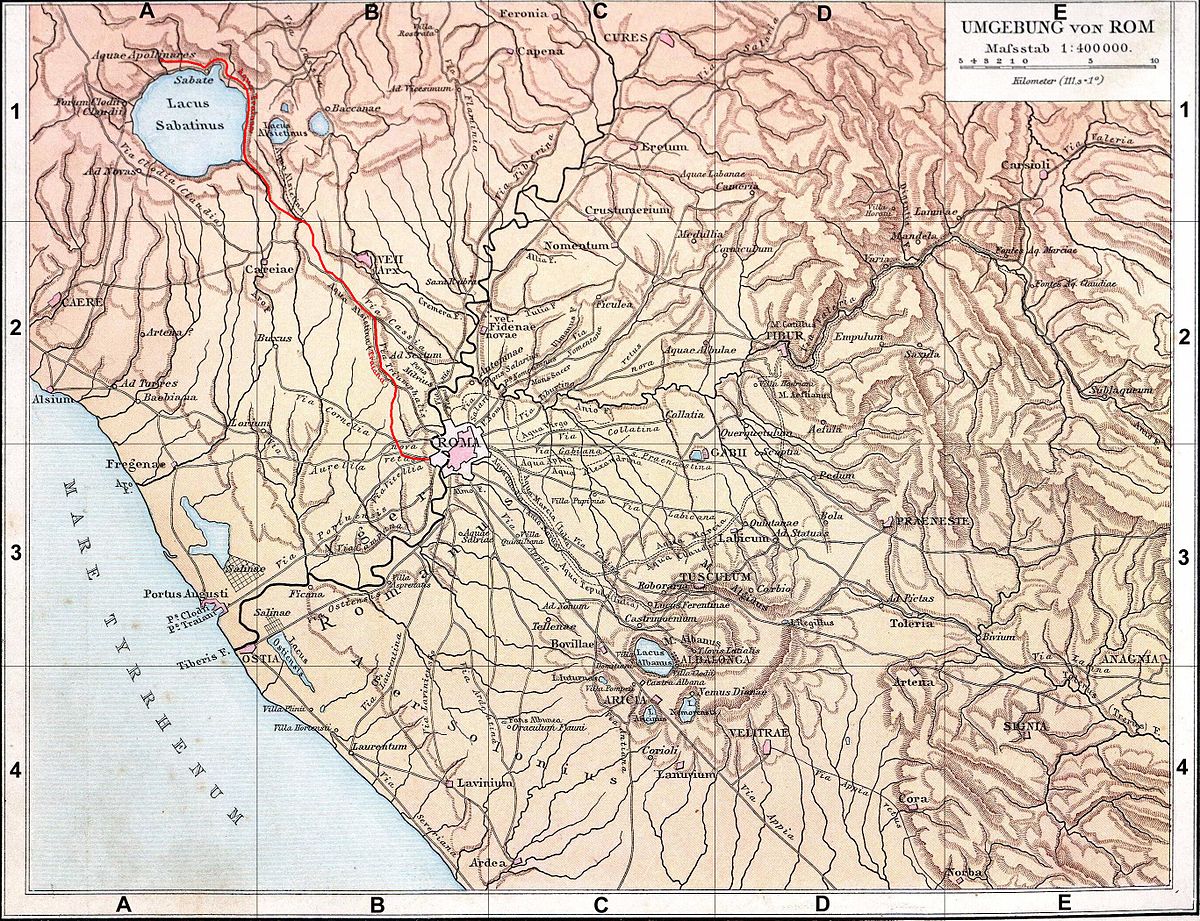
The Aqua Traiana, an ancient Roman aqueduct, stands as a remarkable feat of engineering from the 1st century. Stretching approximately 60 kilometers, this aqueduct was constructed to supply fresh water to the growing population of Rome, drawing its source from the pristine waters of Lake Bracciano. The aqueduct not only served a vital practical purpose but also exemplified Roman architectural ingenuity and the empire’s commitment to urban infrastructure.
Situated in the Lazio region, the Aqua Traiana showcases the advanced hydraulic engineering techniques of the Roman era. As one of the numerous aqueducts built to support the needs of Rome, it played a crucial role in the city’s expansion and development. Visitors to this archaeological site can appreciate the scale and complexity of this ancient structure, which is a testament to the Romans’ ability to manipulate their environment to sustain their population.
The site offers a fascinating glimpse into the past, inviting exploration and reflection on the engineering prowess of a civilization that laid the foundation for modern urban infrastructure. Today, the Aqua Traiana is not only a place of historical significance but also a serene location for those looking to appreciate both nature and history.
History and Significance
The Aqua Traiana was commissioned by Emperor Trajan, whose reign marked a period of considerable expansion and prosperity for the Roman Empire. Designed to alleviate the water shortage in Rome, the aqueduct was a critical response to the growing demands of an urban population that had reached well over a million inhabitants by the early 2nd century AD.
The engineering of the Aqua Traiana reflected the Roman commitment to public health and infrastructure. By providing a reliable water supply, the aqueduct contributed to improved sanitation, which was vital for the health of the city’s residents. This infrastructure supported not only drinking water needs but also public baths, fountains, and other features that were central to Roman social life.
The construction of the Aqua Traiana was an impressive undertaking, demonstrating advanced techniques such as the use of arches and gravity flow to transport water over long distances. The aqueduct incorporated various materials, including stone and concrete, showcasing the Romans’ innovative approach to construction.
The Aqua Traiana served its purpose well into the medieval period, although its use declined as the Roman Empire fell into disarray. Over time, parts of the aqueduct fell into disrepair, yet the remnants still testify to the ingenuity and ambition of Roman engineering. Today, the site is recognized for its historical and cultural importance, offering insights into the daily lives of ancient Romans.
Architecture and Features
The Aqua Traiana is notable for its architectural design and engineering prowess. Spanning approximately 60 kilometers, the aqueduct’s construction showcases a combination of underground tunnels and elevated arches. The aqueduct’s design allows it to maintain a steady gradient, which is essential for the flow of water. This careful planning is a hallmark of Roman engineering, demonstrating their understanding of hydraulics.
One of the most impressive features of the Aqua Traiana is its use of arches, which were constructed to support the water channel at various points along its route. These arches not only provided structural integrity but also added to the aesthetic appeal of the aqueduct. The largest and most notable of these arches can be seen in sections that have been preserved, where they rise majestically above the landscape.
In addition to the arches, the Aqua Traiana included several distribution tanks and settling basins, which helped to manage the flow and quality of the water. These features illustrate the Romans’ attention to detail and their commitment to providing clean water to their citizens. The aqueduct’s ability to transport water over hills and valleys without the need for mechanical pumps is a testament to its sophisticated engineering.
Despite the centuries that have passed since its construction, remnants of the Aqua Traiana can still be observed in the landscape today. Stone blocks, sections of the channel, and parts of the arches remain visible, offering visitors a tangible connection to the engineering achievements of ancient Rome.
Visiting Information
Visiting the Aqua Traiana provides a unique opportunity to explore one of the most significant aqueducts of the Roman Empire. The site is accessible to visitors, though it is recommended to check the official website for current information regarding hours of operation and any entrance fees.
Getting to the Aqua Traiana is relatively straightforward, with public transport options available from nearby cities. Visitors can travel to the area via regional trains or buses that connect to local transit services. Once there, expect to walk along certain sections of the aqueduct, as well as explore the surrounding landscape, which is characterized by a mix of natural beauty and historical remnants.
To fully appreciate the site, it’s advisable to allocate a few hours for your visit. This allows time to wander along the aqueduct, take in the views, and engage with the history of this remarkable structure. The best times to visit are during the spring and fall months when the weather is mild, making outdoor exploration enjoyable.
While at the site, visitors can expect to find limited facilities, so it’s wise to come prepared with water and snacks. The serene environment surrounding the aqueduct makes for a peaceful atmosphere, perfect for leisurely strolls and reflection.
Nearby Attractions
The Aqua Traiana is situated in a region rich with other historical and cultural attractions, making it an ideal base for further exploration. Here are a few notable nearby sites:
Lake Bracciano: Just a short distance from the aqueduct, this picturesque lake offers opportunities for boating, swimming, and enjoying nature. The lake is also surrounded by charming towns that provide a glimpse into local life.
Castello Orsini-Odescalchi: Located in the town of Bracciano, this well-preserved medieval castle overlooks Lake Bracciano and offers guided tours that delve into its history and architecture.
The Etruscan Necropolises of Cerveteri and Tarquinia: These UNESCO World Heritage Sites are located within a reasonable driving distance and provide insight into the ancient Etruscan civilization through their impressive burial sites.
The Roman Ruins of Ostia Antica: A bit further afield, Ostia Antica is an ancient port city that offers well-preserved ruins from the Roman Empire, showcasing daily life in ancient times.
Bracciano: This quaint town near the lake is known for its medieval architecture and vibrant local culture, making it a pleasant spot to explore after visiting the Aqua Traiana.
Insider Tips
When visiting the Aqua Traiana, consider the following tips to enhance your experience:
Photography: The aqueduct’s structure and the surrounding landscapes present excellent opportunities for photography. Early morning or late afternoon light can create dramatic shadows and enhance the beauty of the arches.
Crowd Avoidance: To enjoy a more tranquil visit, try to arrive early in the day or during weekdays, when the site is less likely to be crowded.
Guided Tours: While self-exploration is rewarding, consider joining a guided tour if available. This can provide deeper insights into the history and engineering of the aqueduct.
Practical Information
When preparing for your visit to the Aqua Traiana, keep the following practical information in mind:
What to Bring: Comfortable walking shoes are essential, as you will be walking along uneven terrain. Don’t forget to bring water, snacks, and sunscreen, especially on warmer days.
Seasonal Considerations: Spring and fall are ideal times to visit due to milder weather. Summer can be hot, while winter may bring cooler temperatures and occasional rain.
Accessibility: The site may have uneven paths, so visitors with mobility issues should consider this when planning their visit.
Frequently Asked Questions
How long should I spend visiting?
A visit typically lasts 2-3 hours, allowing time to walk along the aqueduct and take in the historical context.
Is photography allowed?
Yes, photography is generally permitted, so feel free to capture the beauty of the aqueduct and its surroundings.
Are there guided tours?
Check the official website for information on guided tours, as availability may vary.
What’s the best time to visit?
Spring and fall are recommended for pleasant weather and fewer crowds.
Is it wheelchair accessible?
The site has uneven terrain, which may pose challenges for wheelchair users. It’s best to check specific accessibility options beforehand.
Can I buy tickets online?
Check the official website for information regarding ticket purchases and any entrance fees.
Are there restrooms and cafes?
Facilities may be limited at the site, so it’s advisable to plan accordingly and bring your own refreshments.
What should I wear?
Wear comfortable clothing and sturdy shoes suitable for walking, and consider seasonal weather when dressing for your visit.
Photo Gallery
More in lazio
Abatino Park
📍 lazio, Italy
The Abatino Park is a serene natural park located in Lazio, Italy, offering visitors a peaceful retreat with lush landscapes and recreational …
Abbazia di Santa Maria di Ponza
📍 lazio, Italy
The Abbazia di Santa Maria di Ponza is a Cistercian monastery on Ponza Island, Italy, renowned for its serene atmosphere and historical significance.

Academia Belgica
📍 lazio, Italy
The Academia Belgica is a Belgian cultural institution located in Rome, Italy, notable for its role in promoting Belgian heritage and fostering …
Accademia di Belle Arti di Frosinone
📍 lazio, Italy
The Accademia di Belle Arti di Frosinone is an educational institution in Frosinone, Italy, renowned for its commitment to fostering artistic talent …
Acqua Vergine
📍 lazio, Italy
Acqua Vergine is a modern aqueduct located in Rome, Italy, known for its engineering marvel and role in the city's water supply system.

Acquedotto delle Arcatelle
📍 lazio, Italy
The Acquedotto delle Arcatelle is a 17th-century aqueduct located in Tarquinia, Italy, recognized for its impressive architectural design and …
More Archaeological Site

Abbazia di Santa Maria di Corazzo
📍 calabria, Italy
The Abbazia di Santa Maria di Corazzo is an archaeological site located in Carlopoli, Calabria, Italy, renowned for its historical significance and …

Abella
📍 campania, Italy
The archaeological site of Abella in Campania, Italy, is an ancient human settlement known for its historical significance and cultural heritage.

Abellinum
📍 campania, Italy
Abellinum is an archaeological site in Atripalda, Italy, known for its ancient ruins that reveal insights into Roman settlement and urban planning.

Aeculanum
📍 campania, Italy
Aeculanum is an archaeological site in Campania, Italy, known for its remnants of an ancient town that offer insight into early Roman urban life.
Aesernia
📍 molise, Italy
Aesernia is an ancient Roman archaeological site located in Molise, Italy, renowned for its well-preserved ruins that reflect the grandeur of Roman …

Alba Fucens
📍 lazio, Italy
Alba Fucens is an ancient archaeological site in Lazio, Italy, known for its well-preserved ruins that reflect the grandeur of a once-thriving Roman …