

Appian Way
Overview
The Appian Way, known as “Via Appia” in Latin, is one of the most famous ancient roads of Rome, tracing a path from the heart of the city to the southeastern region of Italy. As a monumental feat of engineering, this road not only facilitated trade and military movement but also served as a vital conduit for cultural exchange in the Roman Empire. Stretching for over 500 kilometers, the Appian Way symbolizes the ambition of Rome’s infrastructure, showcasing the empire’s ability to connect distant territories.
Walking along this historic route offers visitors a unique opportunity to immerse themselves in a landscape that has witnessed over two millennia of history. Along the way, ancient tombs, ruins, and remnants of Roman life can be found, providing a tangible link to the past. The Appian Way is not merely a road; it is a living history that invites exploration and reflection on the ingenuity and influence of Roman civilization.
History and Significance
The Appian Way was commissioned in 312 BC by the Roman censor Appius Claudius Caecus, making it one of the earliest and most strategically important roads in the Roman Empire. Originally built to facilitate military movement during conflicts, it quickly became essential for trade and communication. The road connected Rome to Brundisium (modern-day Brindisi), a port city that served as a gateway for trade with the eastern provinces.
Throughout its history, the Appian Way has been marked by significant events, including the famous slave revolt led by Spartacus, who used the road as a means to mobilize his forces against the Roman Republic. The road not only played a role in military campaigns but also became the final resting place for many prominent Romans. Wealthy families constructed elaborate tombs along the route, showcasing their status and providing a glimpse into Roman funerary practices.
In addition to its practical uses, the Appian Way has had a profound cultural impact. It has inspired countless artists, poets, and writers throughout the centuries, who have drawn upon its historical and emotional resonance. Today, it remains a symbol of the enduring legacy of Roman engineering and governance, attracting scholars, historians, and tourists alike.
Architecture and Features
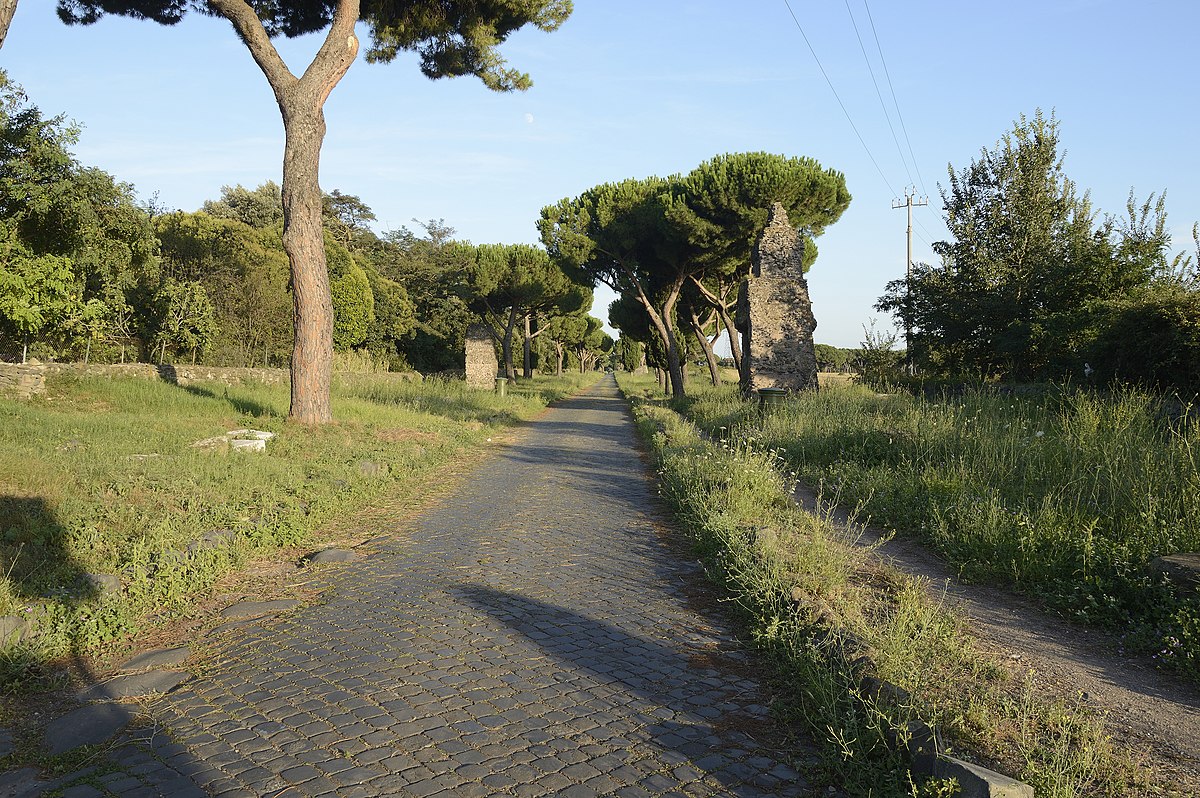
The Appian Way is recognized for its remarkable construction, characterized by large, flat stones that have stood the test of time. These stones were skillfully laid to create a durable road surface, allowing for the passage of foot traffic, carts, and chariots. The width of the road varies, but it is generally around four to six meters, ample enough for two vehicles to pass each other.
As you traverse the Appian Way, you will encounter several notable features that highlight its historical importance. Among these are ancient tombs and mausoleums, such as the Tomb of Cecilia Metella, a well-preserved circular tomb that dates back to the 1st century BC. The structure is an impressive sight, surrounded by a large circular fortification that adds to its grandeur.
Other significant landmarks include the remains of ancient villas and aqueducts that showcase the architectural prowess of the Romans. The road is lined with lush greenery, providing a picturesque backdrop to the ruins, and in some areas, the original basalt stones are still visible, adding to the authenticity of the experience.
Visiting Information
The Appian Way is accessible from various points within Rome, with one of the most popular starting points being the Appia Antica Regional Park. Visitors can explore the road on foot or by bicycle, with bike rentals available nearby. Check the official website for current information on opening hours and any potential fees for guided tours or bike rentals.
When planning your visit, it is advisable to allocate several hours to fully appreciate the sights along the way. A leisurely stroll can take anywhere from two to four hours, depending on how many sites you choose to explore. Early morning or late afternoon visits are recommended to avoid the mid-day heat and crowds.
Expect a mix of urban and natural landscapes, as parts of the road are flanked by modern developments while others remain in a more natural state. Be prepared for uneven surfaces and varying terrain, which can add to the adventure of exploring this ancient thoroughfare.
Nearby Attractions
- Catacombs of San Callisto: These ancient burial sites are among the most significant in Rome, offering insight into early Christian history.
- Tomb of Cecilia Metella: This monumental tomb is a must-see, showcasing Roman funerary architecture.
- Appia Antica Regional Park: A beautiful park that offers walking and cycling paths amidst the ruins of ancient Rome.
- Villa dei Quintili: An ancient Roman villa that provides a glimpse into the luxurious lifestyles of the Roman elite.
- Basilica di San Sebastiano: A historic basilica that houses relics of Saint Sebastian, located near the Appian Way.
Insider Tips
For photography enthusiasts, the best shots can be captured during the golden hour—early morning or late afternoon—when the light beautifully illuminates the ancient stones and surrounding landscape. To avoid the crowds, consider visiting on weekdays rather than weekends. Additionally, wear comfortable walking shoes, as you will be traversing uneven terrain. Bringing a water bottle is advisable, especially during the warmer months, as there are limited refreshment options along the way.
Practical Information
When visiting the Appian Way, it is essential to dress appropriately for the weather, keeping in mind that summers can be quite hot and winters cool. Comfortable shoes are a must, given the uneven surfaces. Bringing a small backpack with water, snacks, and a camera will enhance your experience, allowing for a leisurely exploration of the area. Be mindful of seasonal considerations, as spring and autumn provide pleasant weather for walking.
Frequently Asked Questions
How long should I spend visiting?
A visit can take anywhere from two to four hours, depending on how many sites you want to explore along the way.
Is photography allowed?
Yes, photography is allowed, and the scenic views make for excellent photo opportunities.
Are there guided tours?
Yes, guided tours are available, and they can provide valuable insights into the history and significance of the Appian Way.
What’s the best time to visit?
Early morning or late afternoon is the best time to visit to avoid crowds and enjoy cooler temperatures.
Is it wheelchair accessible?
The Appian Way has uneven surfaces, making certain areas less accessible for wheelchair users. Check specific routes for accessibility options.
Can I buy tickets online?
Check the official website for current information regarding tickets for any guided tours or specific attractions along the way.
Are there restrooms and cafes?
Facilities can be limited along the Appian Way, so it is advisable to use restrooms in the nearby park or cafes before your walk.
What should I wear?
Wear comfortable clothing and sturdy walking shoes, and consider the weather when dressing for your visit.
Photo Gallery
Visit Information
Quick Facts
- Heritage Type
- Street
- UNESCO Status
- World Heritage Site
- Region
- lazio
- Wikidata ID
- Q189417
More in lazio
Abatino Park
📍 lazio, Italy
The Abatino Park is a serene natural park located in Lazio, Italy, offering visitors a peaceful retreat with lush landscapes and recreational …
Abbazia di Santa Maria di Ponza
📍 lazio, Italy
The Abbazia di Santa Maria di Ponza is a Cistercian monastery on Ponza Island, Italy, renowned for its serene atmosphere and historical significance.

Academia Belgica
📍 lazio, Italy
The Academia Belgica is a Belgian cultural institution located in Rome, Italy, notable for its role in promoting Belgian heritage and fostering …
Accademia di Belle Arti di Frosinone
📍 lazio, Italy
The Accademia di Belle Arti di Frosinone is an educational institution in Frosinone, Italy, renowned for its commitment to fostering artistic talent …
Acqua Vergine
📍 lazio, Italy
Acqua Vergine is a modern aqueduct located in Rome, Italy, known for its engineering marvel and role in the city's water supply system.

Acquedotto delle Arcatelle
📍 lazio, Italy
The Acquedotto delle Arcatelle is a 17th-century aqueduct located in Tarquinia, Italy, recognized for its impressive architectural design and …
