


Ancona
Overview
Ancona, a port city located on the Adriatic Sea in the Marche region of Italy, offers visitors a blend of vibrant culture, historic architecture, and scenic waterfront views. As one of Italy’s major ports, it has long served as a gateway between East and West, contributing to its diverse cultural influences. Ancona’s strategic location along the Adriatic coast has made it a bustling hub for trade and travel, resulting in a rich history that is reflected in its architecture and urban layout. The city’s atmosphere is lively, featuring a mix of local markets, charming cafes, and historical landmarks that invite exploration.
Visitors to Ancona can expect a city that reflects its past while embracing modernity. From the stunning views of the sea to the historical sites that dot the landscape, Ancona promises a unique experience that combines both relaxation and discovery. Whether you are wandering through its ancient streets or savoring local cuisine, Ancona serves as a captivating introduction to the Marche region.
History and Significance
Ancona’s history dates back to ancient times, with evidence of settlement by the Picenes, a pre-Roman civilization. The city’s strategic position made it an attractive location for the Greeks, who established a colony there in the 5th century BCE, naming it Ancona, which means “elbow” in Greek, due to the shape of its natural harbor. Over the centuries, Ancona has been influenced by various cultures, including the Romans, who made it an important naval base, and the Byzantines, who fortified its defenses.
During the Middle Ages, Ancona flourished as a maritime power, becoming a vital trading center in the Adriatic. The city faced numerous challenges, including invasions and sieges, but it consistently rebounded, maintaining its status as a crucial economic hub. The Renaissance brought a surge of artistic and architectural development, with many of the city’s churches and palaces constructed during this period reflecting the wealth and influence of Ancona’s merchant class.
In contemporary times, Ancona remains an important port city, connecting Italy to various destinations across the Adriatic Sea and beyond. The city’s rich history and cultural diversity continue to attract visitors, making it an essential stop for those exploring the Marche region.
Architecture and Features
Ancona’s architecture is a testament to its rich historical legacy, showcasing a blend of styles that reflect the city’s diverse cultural influences. A notable feature is the Cattedrale di San Ciriaco, an impressive Romanesque cathedral perched atop a hill overlooking the city. Built in the 11th century, the cathedral is renowned for its unique façade made of white limestone and its beautiful interior adorned with stunning mosaics and intricate carvings.
Another architectural highlight is the Arco di Traiano, a triumphal arch erected in honor of Emperor Trajan. This well-preserved monument, dating back to the early 2nd century CE, stands as a symbol of Ancona’s historical significance and offers insight into Roman engineering and artistry.
The city’s waterfront is lined with lively promenades, where visitors can enjoy picturesque views of the harbor and surrounding landscapes. The Passetto, a scenic cliffside promenade, features a series of steps leading down to the beach, providing access to the sea and stunning vistas of the Adriatic.
Ancona’s urban landscape is also characterized by medieval fortifications, including the Forte Altavilla, which offers panoramic views of the city and the coastline. These historical structures create a charming juxtaposition with the modern elements of the city, making Ancona a destination that encapsulates both its past and present.
Visiting Information
Reaching Ancona is convenient, with the city served by an international airport, railway connections, and a well-connected road network. The city center is compact, making it easily navigable on foot. Visitors can explore its historical sites, shops, and restaurants at a leisurely pace.
While specific hours and prices for attractions may vary, it’s advisable to check the official website for current information before planning your visit. A typical exploration of the city can take anywhere from a few hours to a full day, depending on your interests and the depth of your exploration.
The best times to visit Ancona are in the spring and fall when the weather is mild and the tourist crowds are smaller, allowing for a more intimate experience with the city’s attractions.
Nearby Attractions
Conero Regional Park: A stunning natural park featuring rugged cliffs, pristine beaches, and a variety of hiking trails that showcase the region’s natural beauty.
Loreto: Just a short drive from Ancona, this small town is renowned for the Basilica della Santa Casa, an important pilgrimage site housing the revered Holy House of Loreto.
Castelfidardo: Famous for its accordion-making tradition, this charming town offers visitors a glimpse into Italian craftsmanship and culture.
Osimo: A historic town known for its medieval architecture and underground tunnels, providing a unique exploration experience just a short distance from Ancona.
Numana: A picturesque coastal town with beautiful beaches, ideal for those looking to relax by the sea or enjoy water activities.
Insider Tips
To capture the essence of Ancona, consider visiting during the golden hour for photography, when the soft light enhances the beauty of the city’s architecture and coastal scenery. The best way to avoid crowds is to visit popular attractions early in the morning or later in the afternoon. Additionally, exploring lesser-known streets and neighborhoods can lead to delightful discoveries away from the main tourist paths.
Practical Information
When visiting Ancona, it’s advisable to bring comfortable footwear for walking, as the city features cobblestone streets and hilly areas. Seasonal considerations include lighter clothing during the summer months due to the warm climate, while spring and fall may require a light jacket for cooler evenings.
Be sure to stay hydrated and consider trying local specialties, such as the famous brodetto fish stew, to enhance your experience of Ancona’s culinary offerings.
Frequently Asked Questions
How long should I spend visiting?
A visit to Ancona can range from a few hours to a full day, allowing ample time to explore its key attractions and enjoy local cuisine.
Is photography allowed?
Yes, photography is generally allowed at most public sites and attractions in Ancona, but respect for private property and individuals is essential.
Are there guided tours?
Guided tours may be available; check local tourism websites or visitor centers for options that suit your interests.
What’s the best time to visit?
Spring and fall are ideal for visiting Ancona, as the weather is pleasant and the tourist crowds are smaller.
Is it wheelchair accessible?
While many areas of Ancona are accessible, some historical sites may have limitations due to their age. It’s best to check specific locations in advance.
Can I buy tickets online?
Some attractions may offer online ticket purchasing; check their official websites for availability.
Are there restrooms and cafes?
Public restrooms can be found in various locations throughout the city, and numerous cafes and restaurants are available for refreshments.
What should I wear?
Dress comfortably and in layers, especially during transitional seasons, to accommodate varying weather conditions while exploring the city.
Photo Gallery
Location
Visit Information
Quick Facts
- Heritage Type
- City
- Region
- marche
- Wikidata ID
- Q3415
More in marche
Ambro
📍 marche, Italy
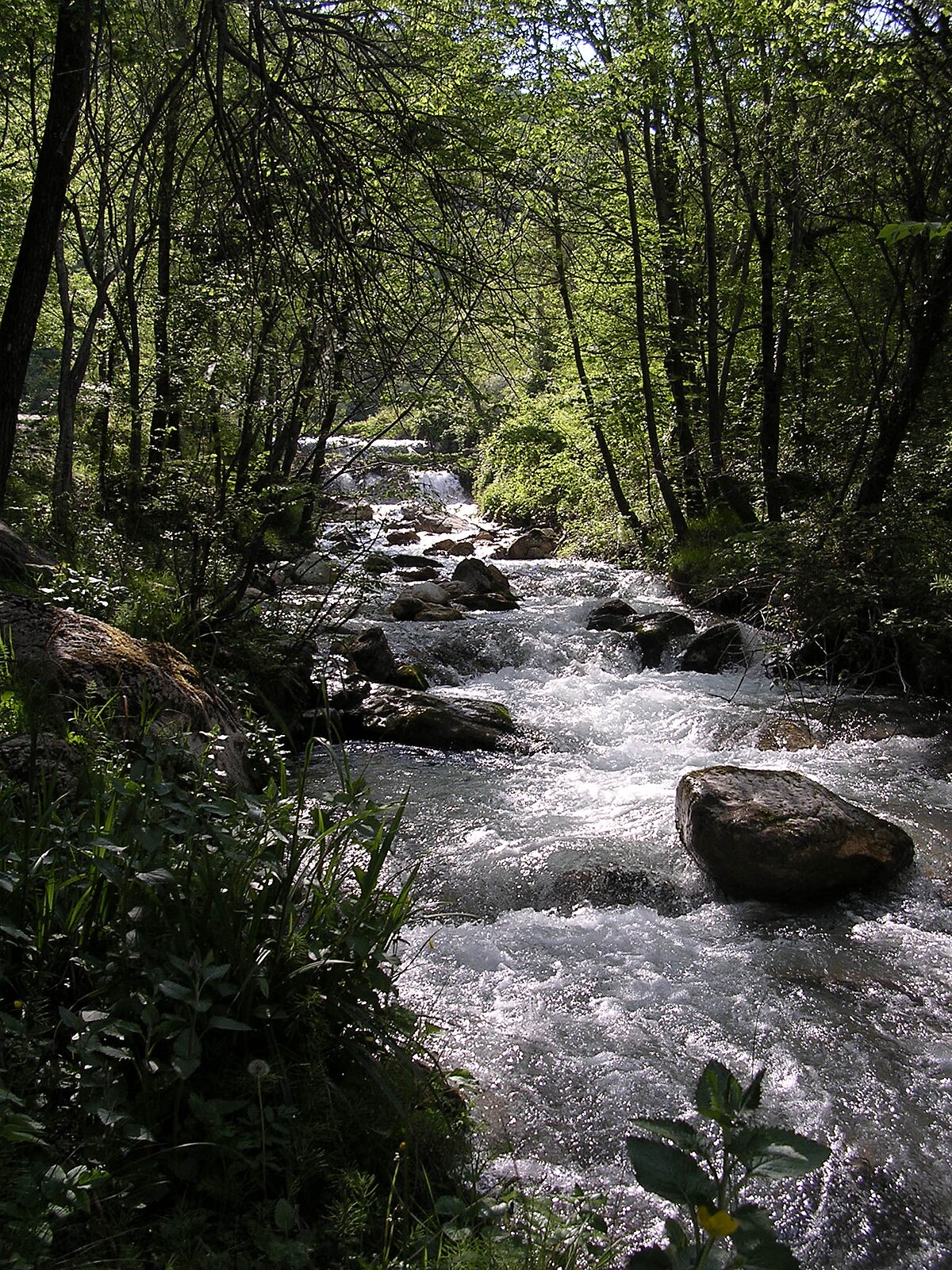
The Ambro River is a picturesque waterway in the Marche region of Italy, known for its serene landscapes and ecological significance.

Ancient Ostra
📍 marche, Italy
Ancient Ostra is an archaeological site located in Marche, Italy, notable for its remnants of an ancient Roman city that offers insights into …

Antiquarium of Palazzone
📍 marche, Italy
The Antiquarium of Palazzone is a museum located in Perugia, Italy, renowned for its collection of artifacts that showcase the region's rich …
Archivio Diocesano e Biblioteca dell'Arcidiocesi di Pesaro
📍 marche, Italy
The Archivio Diocesano e Biblioteca dell'Arcidiocesi di Pesaro is a conservation library in Marche, Italy, renowned for its extensive collection of …
Archivio e Biblioteca della Cattedrale di S. Rufino (Duomo)
📍 marche, Italy
The Archivio e Biblioteca della Cattedrale di S. Rufino (Duomo) is a historical library and archive located in Assisi, Italy, renowned for its rich …
More City

Agrigento
📍 sicily, Italy
Agrigento is a historic city in Sicily, Italy, renowned for its ancient ruins and the Valley of the Temples, a UNESCO World Heritage Site showcasing …

Albenga
📍 liguria, Italy
Albenga is an Italian urban comune located in the Liguria region, known for its medieval architecture and rich historical significance.

Alessandria
📍 lombardy, Italy
Alessandria is a historic city in Lombardy, Italy, known for its intriguing blend of cultural heritage and architectural features.

Andria
📍 apulia, Italy
Andria is a city in Apulia, Italy, known for its unique blend of historical architecture and cultural significance, particularly the stunning Castel …
Arretium
📍 tuscany, Italy
Arretium is an ancient city in Tuscany, Italy, recognized for its historical significance as a human settlement and its rich cultural heritage.