


Ancient Ostra
Overview
Ancient Ostra is a fascinating archaeological site that unveils the remnants of a once-thriving Roman city, located within the picturesque region of Marche in Italy. This site not only captures the essence of Roman urban planning and architecture but also provides a unique glimpse into the daily lives of its ancient inhabitants. As visitors explore the ruins, they encounter structures that reflect the social, political, and economic dynamics of the era, making it a significant stop for history enthusiasts and archaeology lovers alike.
The site’s location in Marche, characterized by rolling hills and a temperate climate, adds to its appeal, providing a serene backdrop for exploration. Ancient Ostra serves as a valuable educational resource, shedding light on the intricacies of Roman civilization and its lasting impact on the cultural landscape of modern Italy. This archaeological gem promises an enriching experience for those curious about ancient history and the evolution of urban settlements.
History and Significance
The ancient city of Ostra dates back to the Roman period, although specific historical records about its foundation and development are limited. Its location along important trade routes contributed to its growth and importance in ancient times. Ostra is thought to have played a significant role in regional commerce, connecting various settlements in the area. The remnants found at the site illustrate the typical characteristics of Roman cities, including streets, public buildings, and private residences, which reflect the sophisticated planning and architectural techniques of the time.
Ostra is particularly notable for its well-preserved ruins, which allow historians and archaeologists to study the day-to-day life of its inhabitants. The site has been the subject of various excavations over the years, revealing artifacts that provide insights into the socio-economic structures of the community, such as pottery, tools, and remnants of ancient trade goods. These findings not only enhance our understanding of Ostra’s role in the Roman Empire but also contribute to the broader narrative of Italy’s history during this period.
Additionally, the cultural significance of Ostra extends beyond its archaeological value. It serves as a reminder of the Roman Empire’s extensive reach and influence, as well as its interactions with local cultures and communities. The preservation of Ostra allows modern visitors to appreciate the architectural and urban planning achievements of the Romans, fostering a deeper connection to the ancient world.
Architecture and Features
The architectural remains of Ancient Ostra highlight the ingenuity and practicality of Roman design. Visitors can explore the remnants of residential buildings, which typically feature a central atrium and surrounding rooms that served various purposes, from living spaces to storage areas. These structures illustrate the organization of domestic life in ancient Rome, showcasing how families lived and interacted within their homes.
One of the prominent features of the site includes streets that exhibit the characteristic grid layout of Roman urban planning. The careful alignment of these streets illustrates the importance of order and accessibility in Roman cities. Additionally, the paving stones used in the roads remain visible, providing a tangible connection to the past.
Among the ruins, visitors can also find remnants of public buildings that served essential functions within the community. These structures may have included forums, temples, and marketplaces, which were central to civic life in Roman cities. The architectural styles reflect both functionality and aesthetic appeal, with intricate designs and materials that were prevalent during the period.
The overall layout of Ancient Ostra serves as a testament to the advanced urban planning techniques employed by the Romans, demonstrating their ability to create sustainable and organized living environments. As you walk through the site, the blend of residential and public spaces conveys a sense of the vibrant community that once thrived here.
Visiting Information
Reaching Ancient Ostra is relatively straightforward, as it is located near major roadways in the Marche region. Visitors can access the site by car, and ample parking is typically available nearby. For those relying on public transport, local bus services connect the site to nearby towns and cities. It is advisable to check the official website for current information regarding transportation options and accessibility.
As for the visiting experience, Ancient Ostra invites guests to wander through its ruins at their own pace. The site is typically open to the public throughout the year, but specific hours and admission prices can vary. Checking the official website for the most up-to-date information regarding opening times and entry fees is recommended.
A visit to Ancient Ostra generally takes about two to three hours, allowing ample time to explore the key features and enjoy the tranquil setting. The best times to visit are during the spring and fall months when the weather is mild, and the site is less crowded. Early mornings or late afternoons on weekdays are ideal for those looking to avoid larger tourist groups.
Nearby Attractions
While visiting Ancient Ostra, there are several other attractions in the vicinity that are worth exploring:
Ostra Vetere: This nearby town features its own historical sites and offers a glimpse into the medieval period, with charming streets and local cuisine.
Frasassi Caves: Located a short drive away, these spectacular caves are known for their stunning stalactite and stalagmite formations, making them a popular natural attraction.
Senigallia: This coastal town is known for its beautiful beaches and vibrant promenade, perfect for a relaxing day by the Adriatic Sea.
Castello di Rocca Priora: A historical castle that provides panoramic views of the surrounding landscape and an opportunity to learn about the region’s feudal history.
Conero Regional Park: A natural park that offers hiking trails and scenic views of the Adriatic coast, ideal for outdoor enthusiasts.
Insider Tips
For the best photographic opportunities at Ancient Ostra, plan your visit during the golden hours of early morning or late afternoon when the sunlight casts a warm glow on the ruins. This not only enhances your photos but also creates a serene atmosphere during your exploration.
To avoid the crowds, consider visiting during weekdays, especially in the shoulder seasons of spring and fall. Early arrivals can also help you enjoy a more tranquil experience before other visitors arrive.
Bring along a comfortable pair of walking shoes, as the terrain can be uneven and requires some exploration on foot. A hat and sunscreen are advisable, particularly during the summer months, to protect against the sun while you navigate the site.
Practical Information
When visiting Ancient Ostra, it is recommended to bring water and snacks, as amenities may be limited on-site. There may not be cafes or restaurants in close proximity, so planning ahead can enhance your experience.
Seasonal considerations are important to note as well. Spring and fall are typically ideal times to visit due to milder weather. Summers can be hot, and winters may bring colder temperatures, affecting your overall comfort during the visit.
Make sure to check the official website for any updates regarding visitor services, including restroom availability, which can vary throughout the year.
Frequently Asked Questions
How long should I spend visiting?
A visit to Ancient Ostra typically takes around two to three hours, allowing time to explore the ruins and take in the historical context.
Is photography allowed?
Yes, photography is generally allowed at Ancient Ostra, but be respectful of the site and other visitors while capturing images.
Are there guided tours?
Check the official website for information about guided tours, as they may offer deeper insights into the history and significance of the site.
What’s the best time to visit?
The best times to visit are during the spring and fall, when the weather is mild and the site is less crowded.
Is it wheelchair accessible?
Accessibility information can vary, so it is advisable to check the official website for the latest updates on wheelchair access at the site.
Can I buy tickets online?
Check the official website for current information regarding ticket purchasing options, including online availability.
Are there restrooms and cafes?
Restroom facilities may be available, but amenities such as cafes could be limited, so planning ahead is recommended.
What should I wear?
Comfortable walking shoes and weather-appropriate clothing are advisable, especially since you may be walking on uneven terrain.
Photo Gallery
Location
Visit Information
Quick Facts
- Heritage Type
- Archaeological Site
- Region
- marche
- Wikidata ID
- Q533922
More in marche
Ambro
📍 marche, Italy
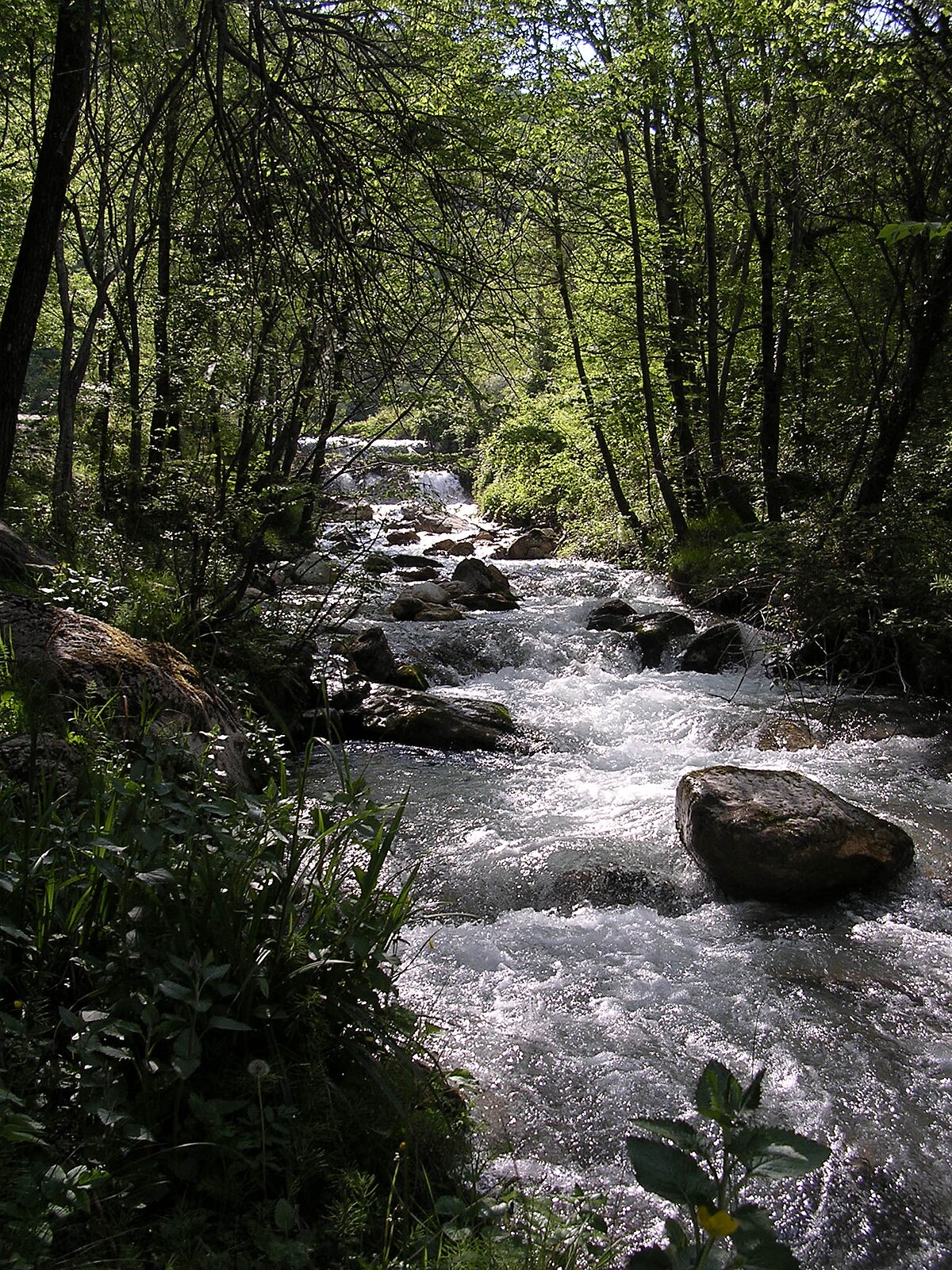
The Ambro River is a picturesque waterway in the Marche region of Italy, known for its serene landscapes and ecological significance.

Ancona
📍 marche, Italy
Ancona is a historic city in the Marche region of Italy, renowned for its stunning coastal views and significant maritime heritage.

Antiquarium of Palazzone
📍 marche, Italy
The Antiquarium of Palazzone is a museum located in Perugia, Italy, renowned for its collection of artifacts that showcase the region's rich …
Archivio Diocesano e Biblioteca dell'Arcidiocesi di Pesaro
📍 marche, Italy
The Archivio Diocesano e Biblioteca dell'Arcidiocesi di Pesaro is a conservation library in Marche, Italy, renowned for its extensive collection of …
Archivio e Biblioteca della Cattedrale di S. Rufino (Duomo)
📍 marche, Italy
The Archivio e Biblioteca della Cattedrale di S. Rufino (Duomo) is a historical library and archive located in Assisi, Italy, renowned for its rich …
More Archaeological Site

Abbazia di Santa Maria di Corazzo
📍 calabria, Italy
The Abbazia di Santa Maria di Corazzo is an archaeological site located in Carlopoli, Calabria, Italy, renowned for its historical significance and …

Abella
📍 campania, Italy
The archaeological site of Abella in Campania, Italy, is an ancient human settlement known for its historical significance and cultural heritage.

Abellinum
📍 campania, Italy
Abellinum is an archaeological site in Atripalda, Italy, known for its ancient ruins that reveal insights into Roman settlement and urban planning.

Aeculanum
📍 campania, Italy
Aeculanum is an archaeological site in Campania, Italy, known for its remnants of an ancient town that offer insight into early Roman urban life.
Aesernia
📍 molise, Italy
Aesernia is an ancient Roman archaeological site located in Molise, Italy, renowned for its well-preserved ruins that reflect the grandeur of Roman …

Alba Fucens
📍 lazio, Italy
Alba Fucens is an ancient archaeological site in Lazio, Italy, known for its well-preserved ruins that reflect the grandeur of a once-thriving Roman …