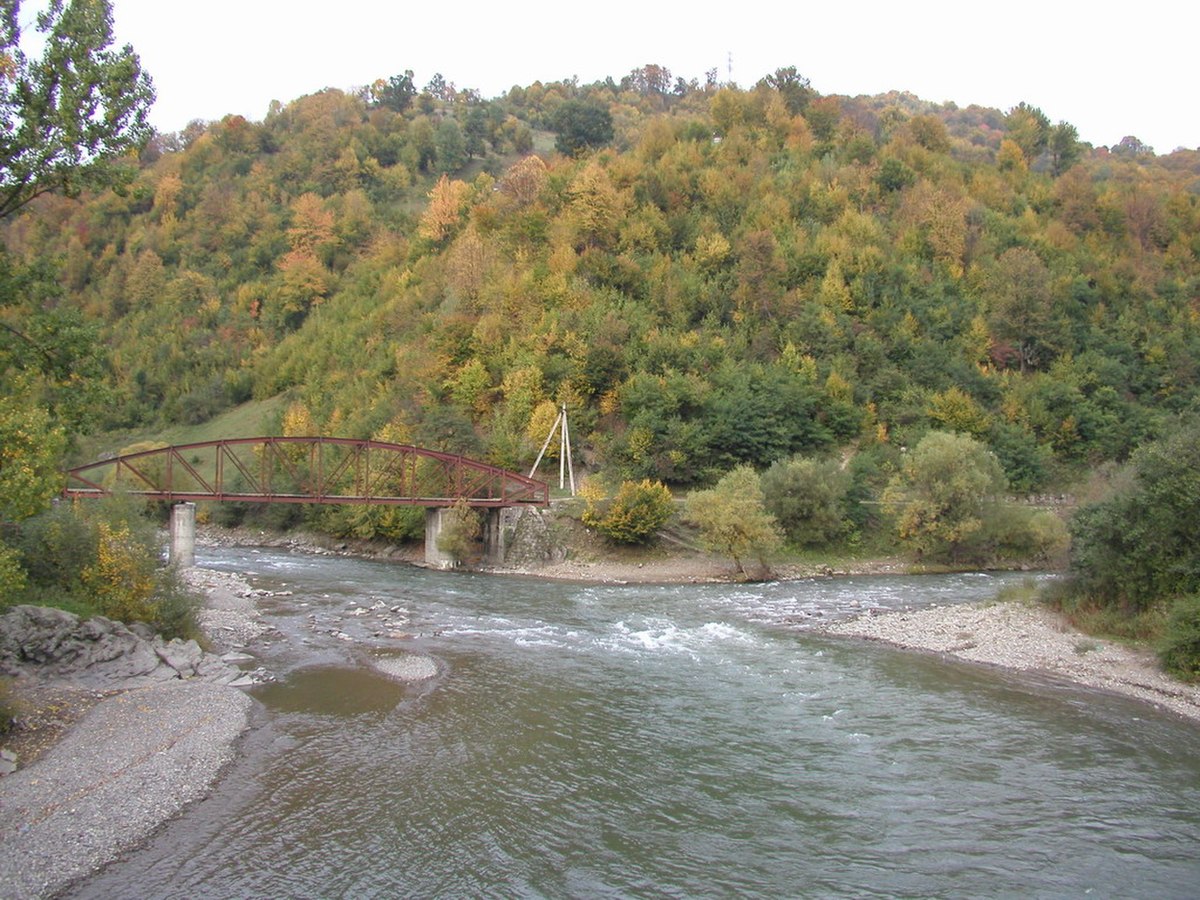


Ancient and Primeval Beech Forests of the Carpathians and Other Regions of Europe
Overview
The Ancient and Primeval Beech Forests of the Carpathians and Other Regions of Europe is a remarkable transnational UNESCO World Heritage Site that spans across several European countries, including Italy. These forests are characterized by their untouched ecosystems and impressive biodiversity, representing some of the last remaining examples of temperate beech forests on the continent. The site covers a significant area and serves as a crucial habitat for various species of flora and fauna, many of which are rare or endangered. The beech trees, some of which are hundreds of years old, showcase the natural beauty and resilience of these ancient woodlands.
This UNESCO designation underscores the importance of preserving these forests for future generations, highlighting their value not only for ecological reasons but also for cultural and historical significance. Visiting these forests offers a unique opportunity to experience natural beauty and learn about the delicate balance of ecosystems that have thrived without human interference. The site invites nature enthusiasts, researchers, and travelers alike to engage with a landscape that has withstood the test of time.
History and Significance
The Ancient and Primeval Beech Forests of the Carpathians and Other Regions of Europe are significant not just for their ecological value but also for their cultural importance. These forests are a living testament to the resilience of nature, having evolved over thousands of years. The beech trees found here are part of a larger ecological narrative that speaks to the natural history of Europe, where these forests once covered vast areas.
Historically, beech forests have been integral to the livelihoods of local communities, providing timber, fuel, and various non-timber forest products. Their preservation is vital to maintaining biodiversity, and they serve as a refuge for numerous species of wildlife that rely on these habitats for survival. The forests are also important for scientific research, offering insights into forest ecology, climate change, and conservation methods.
Additionally, the cultural significance of these forests is reflected in the various folklore and traditions associated with them across Europe. Many communities have longstanding relationships with these woodlands, which are often seen as sacred spaces imbued with local legends. As such, the Ancient and Primeval Beech Forests represent not only a natural heritage but also a cultural one, linking people to their ancestral roots and the environment.
Architecture and Features
The primary feature of the Ancient and Primeval Beech Forests is, undeniably, the beech trees themselves. These majestic trees can reach impressive heights and exhibit a variety of forms, from tall, slender trunks to sprawling canopies. The forests are characterized by their diverse undergrowth, which supports a multitude of plant species, including ferns, mosses, and wildflowers that thrive in the shaded understory.
The structure of these forests is layered: the upper canopy is formed by mature beech trees that provide shelter and shade for the younger trees and the rich biodiversity of the forest floor. This multi-layered architecture is essential for supporting various wildlife species, creating a complex ecosystem that has adapted to the specific climate and soil conditions of the region.
In addition to the natural features, visitors may notice evidence of ancient land use, such as historical paths that have been worn into the earth over the centuries. These paths provide access for those wishing to explore the forest and appreciate its beauty. The overall serenity of the landscape, combined with the sound of rustling leaves and the distant calls of wildlife, creates an immersive experience for those who venture into these ancient woods.
Visiting Information
Visiting the Ancient and Primeval Beech Forests of the Carpathians and Other Regions of Europe is an adventure that requires some planning. Access points vary by region, and visitors may need to utilize local transport options or travel by car to reach specific areas of the forests.
Check the official website for current information on hours, prices, and guided tours. Expect to spend several hours exploring the forest, as there are many trails that can lead to different points of interest within the area. It is advisable to wear comfortable footwear suitable for walking on uneven terrain and to bring water and snacks, especially for longer hikes.
The best times to visit are during the spring and early autumn months, when the weather is typically mild, and the flora is at its most vibrant. Each season offers a unique perspective of the forest: spring brings blossoming flowers, summer provides lush greenery, autumn showcases a palette of warm colors, and winter offers a quiet, snow-draped landscape.
Nearby Attractions
- Parco Nazionale d’Abruzzo: A national park offering breathtaking landscapes, diverse wildlife, and numerous hiking trails.
- Castel di Sangro: A picturesque town known for its medieval architecture and proximity to the national park.
- Roccaraso: A popular ski resort located nearby, perfect for winter sports enthusiasts.
- Sulmona: Famous for its confetti (sugar-coated almonds) and charming historical center, offering a taste of local culture.
- Pescasseroli: A beautiful town located within the national park, known for its outdoor activities and natural beauty.
Insider Tips
To capture the essence of the Ancient and Primeval Beech Forests through photography, consider visiting during the early morning or late afternoon when the light is softer. This will help you avoid harsh shadows and create ethereal images of the trees. If aiming for wildlife photography, patience is key; be prepared to spend time quietly observing your surroundings.
To avoid crowds, try to visit during weekdays or in the off-peak seasons. Early spring and late autumn are typically less busy, allowing for a more peaceful experience in the forest.
Practical Information
When visiting the Ancient and Primeval Beech Forests, it’s essential to come prepared. Bring appropriate clothing for varying weather conditions, such as layers for warmth and waterproof gear in case of rain. Sturdy hiking boots are a must for navigating the forest trails.
Seasonal considerations should also be taken into account. Spring and autumn offer comfortable temperatures for hiking, while summer can be warm, making hydration crucial. Winter visits may require snow gear if you choose to explore during this season, as some trails may be covered in snow.
Frequently Asked Questions
How long should I spend visiting?
Plan for at least half a day to fully appreciate the beauty and serenity of the forests.
Is photography allowed?
Yes, photography is encouraged to capture the stunning landscapes and unique flora and fauna.
Are there guided tours?
Check the official website for information regarding guided tours and educational programs available.
What’s the best time to visit?
Spring and early autumn are ideal for mild weather and vibrant scenery, but each season offers its own charm.
Is it wheelchair accessible?
Trail accessibility may vary; check specific routes on the official website for detailed information.
Can I buy tickets online?
Check the official website for options regarding ticket purchases and any necessary reservations.
Are there restrooms and cafes?
Facilities may be limited; inquire about amenities on the official website before your visit.
What should I wear?
Dress in layers and wear sturdy footwear suitable for walking on uneven terrain, and don’t forget weather-appropriate gear.
In summary, a visit to the Ancient and Primeval Beech Forests of the Carpathians and Other Regions of Europe offers a unique opportunity to connect with nature, explore diverse ecosystems, and appreciate the beauty of ancient woodlands. Whether you’re a nature lover, a photographer, or simply seeking a tranquil retreat, this UNESCO World Heritage Site promises an enriching experience.
Photo Gallery
More in lazio
Abatino Park
📍 lazio, Italy
The Abatino Park is a serene natural park located in Lazio, Italy, offering visitors a peaceful retreat with lush landscapes and recreational …
Abbazia di Santa Maria di Ponza
📍 lazio, Italy
The Abbazia di Santa Maria di Ponza is a Cistercian monastery on Ponza Island, Italy, renowned for its serene atmosphere and historical significance.

Academia Belgica
📍 lazio, Italy
The Academia Belgica is a Belgian cultural institution located in Rome, Italy, notable for its role in promoting Belgian heritage and fostering …
Accademia di Belle Arti di Frosinone
📍 lazio, Italy
The Accademia di Belle Arti di Frosinone is an educational institution in Frosinone, Italy, renowned for its commitment to fostering artistic talent …
Acqua Vergine
📍 lazio, Italy
Acqua Vergine is a modern aqueduct located in Rome, Italy, known for its engineering marvel and role in the city's water supply system.

Acquedotto delle Arcatelle
📍 lazio, Italy
The Acquedotto delle Arcatelle is a 17th-century aqueduct located in Tarquinia, Italy, recognized for its impressive architectural design and …
More Protected Area
18th-Century Royal Palace at Caserta with the Park, the Aqueduct of Vanvitelli, and the San Leucio Complex
📍 campania, Italy
The 18th-Century Royal Palace at Caserta, a UNESCO World Heritage site in Campania, Italy, is renowned for its stunning architecture, expansive …

Etna Park
📍 sicily, Italy
Etna Park is a protected area in Sicily, Italy, renowned for its diverse ecosystems, volcanic landscapes, and the iconic Mount Etna, one of the …

Genoa: Le Strade Nuove and the system of the Palazzi dei Rolli
📍 piedmont, Italy
The Genoa: Le Strade Nuove and the system of the Palazzi dei Rolli is a UNESCO World Heritage Site in Genoa, Italy, celebrated for its exquisite …