
Alba Longa
Overview
Alba Longa, an ancient city-state located in the Lazio region of Italy, holds a prominent place in the annals of Roman history and mythology. Founded by Ascanius, the son of Aeneas, this city is often lauded as the mythical cradle of Rome. It is believed to have been a flourishing settlement that played a vital role in the early history of the Roman Empire. Although much of its grandeur has faded with time, the remnants and stories surrounding Alba Longa provide an intriguing window into the early societal structures that contributed to the rise of Rome.
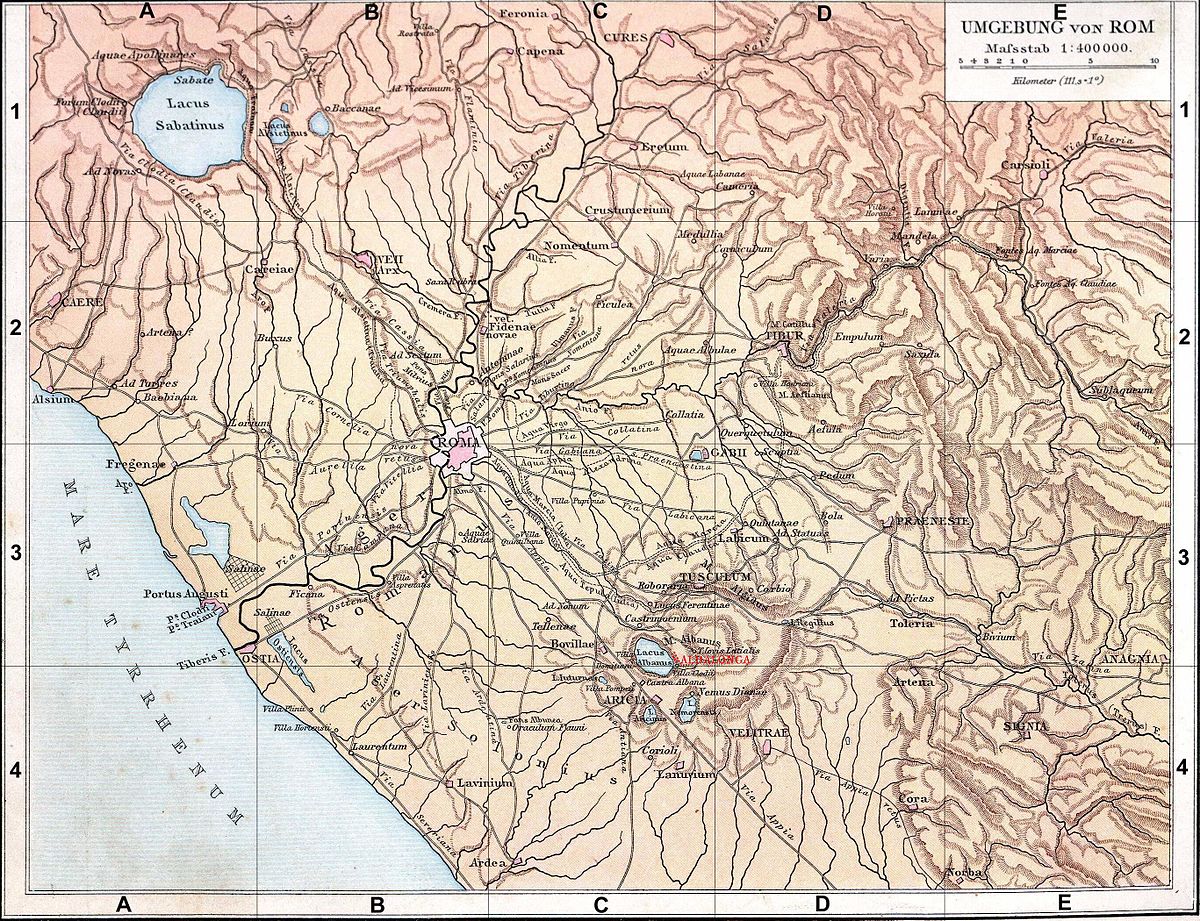
Geographically, Alba Longa was strategically positioned on the Alban Hills, which provided not only a vantage point for defense but also fertile lands for agriculture. The city’s significance extended beyond its borders, influencing the neighboring tribes and eventually integrating into the larger Roman framework. Visitors to Alba Longa can expect to encounter traces of its ancient past while exploring the surrounding picturesque landscapes and engaging with the historical narratives that have shaped this region.
As you delve into the history and culture of Alba Longa, prepare to uncover the layers of mythology and legacy that have made this site a focal point for historians and travelers alike.
History and Significance
The history of Alba Longa is steeped in legend and lore, with its origins often linked to the epic tales of Virgil’s “Aeneid.” According to tradition, the city was founded by Ascanius, who established it as a successor to the Trojan legacy left by his father, Aeneas. This connection to Trojan ancestry positioned Alba Longa as a critical player in the early narratives of Roman identity.
During its peak, Alba Longa was not merely a city but a confederation of Latin tribes, which played a crucial role in the development of the Latin League. This alliance of cities and tribes was instrumental in resisting external threats and fostering trade and cooperation among its members. The city itself is often depicted as a thriving cultural hub, with temples, public spaces, and residences that reflected the architectural styles of the time.
However, the fate of Alba Longa shifted dramatically in the 7th century BCE when it fell under the influence of the growing power of Rome. The conflict between Alba Longa and Rome culminated in the famous war known as the “Conflict of the Alban Wars.” Following its defeat, the city was absorbed into the Roman Republic, leading to its gradual decline. By the first century CE, Alba Longa had largely faded from prominence, leaving behind a legacy that would be intertwined with the foundational myths of Rome.
Despite its diminished status, the archaeological remnants of Alba Longa continue to intrigue historians and archaeologists. Excavations have revealed evidence of ancient structures, pottery, and artifacts that provide insights into the daily life and governance of the city-state, reinforcing its significance in the broader narrative of Roman history.
Architecture and Features
The architectural features of Alba Longa, while primarily known through historical texts and archaeological findings, suggest a city that was representative of early Italian urban planning and design. The city-state likely featured a combination of residential areas, public buildings, and sacred spaces that collectively defined its social and political structure.
While specific examples of structures from Alba Longa are limited due to the passage of time and subsequent developments in the area, the remnants of various sites offer glimpses into its architectural style. Temples dedicated to Roman deities and communal spaces for meetings or gatherings would have been central to the city’s civic life. The layout of the city was likely influenced by the topography of the Alban Hills, utilizing natural elevations for strategic advantages.
Moreover, the archaeological findings in the vicinity of Alba Longa have uncovered remnants of pottery, tools, and everyday items that illustrate the craftsmanship and daily practices of its inhabitants. These artifacts not only reflect the artistic tendencies of the time but also provide context for understanding the economic activities that sustained the community.
Visitors exploring the remnants of Alba Longa can appreciate the historical significance of the site, where the echoes of ancient voices and activities linger in the air. Although much of the original architecture may be lost, the landscape and archaeological traces serve as a canvas for imagining the city’s former vibrancy.
Visiting Information
Visiting Alba Longa offers a unique opportunity to explore a site steeped in history and mythology. The city is accessible by various modes of transportation, including car and public transportation options from nearby towns such as Rome. A visit can typically be planned as part of a day trip, allowing ample time to explore the archaeological sites and surrounding areas.
Check the official website for current information regarding opening hours and any potential guided tours that may be available. While the site is not as well-preserved as some other ancient cities, the experience of walking through the remnants of Alba Longa can be enriching for those interested in the origins of Rome.
Expect to spend a few hours exploring the area, as there are various trails and paths that lead to notable archaeological sites. The best times to visit are during the spring and fall when the weather is mild, and the natural beauty of the Alban Hills enhances the experience.
It is advisable to wear comfortable shoes, bring water, and consider packing a camera to capture the serene beauty of the landscape. While facilities may be limited, local cafes in nearby towns provide opportunities to sample regional cuisine.
Nearby Attractions
When visiting Alba Longa, several nearby attractions can enhance your cultural and historical experience:
Lake Albano: Just a short distance away, this volcanic lake offers recreational activities such as hiking, boating, and picnicking along its scenic shores.
Castel Gandolfo: The Papal residence overlooking Lake Albano is a popular destination for its stunning views and beautiful gardens, rich in history and art.
Nemi: Known for its charming streets and the famous wild strawberries, Nemi is a picturesque town that provides a glimpse into local life and traditions.
Roman Ruins of Ariccia: This nearby town features remnants of ancient Roman structures, along with delightful architecture and local culinary specialties.
The Alban Hills Park: Offering extensive hiking trails and natural beauty, this park is perfect for outdoor enthusiasts looking to immerse themselves in the region’s landscapes.
Insider Tips
To make the most of your visit to Alba Longa, consider these insider tips:
Photography: The archaeological remnants and the stunning landscapes provide excellent opportunities for photography. Early morning or late afternoon light can enhance the beauty of your shots.
Crowd Avoidance: If visiting during peak tourist seasons, consider arriving early in the day. Midweek visits may also help you avoid larger crowds.
Guided Tours: Look for local guided tours that can offer deeper insights into the historical context of Alba Longa and its significance in Roman history.
Practical Information
When planning your visit to Alba Longa, here are some practical considerations:
What to Bring: Comfortable walking shoes, water, sun protection, and a camera for capturing the scenic beauty and historical sites.
Seasonal Considerations: The best times to visit are spring and fall due to milder weather. Summer can be hot, while winter might limit some outdoor activities.
Local Cuisine: Don’t miss trying local dishes at nearby cafes and restaurants, where you can experience the flavors of the Lazio region.
Frequently Asked Questions
How long should I spend visiting?
A visit to Alba Longa typically requires 2-3 hours to explore the archaeological sites and enjoy the surrounding landscape.
Is photography allowed?
Yes, photography is generally allowed, so feel free to capture the historic remnants and scenic views.
Are there guided tours?
Check for local guided tours that may be available, as they can provide valuable insights into the history and significance of the site.
What’s the best time to visit?
Spring and fall are ideal for visiting due to pleasant weather and fewer tourists.
Is it wheelchair accessible?
The accessibility may vary, so it’s best to check specific locations within the site for wheelchair access.
Can I buy tickets online?
Ticket purchasing information may vary; check the official website for current details regarding online ticket sales.
Are there restrooms and cafes?
Facilities may be limited, so plan to visit nearby towns for restrooms and dining options.
What should I wear?
Comfortable clothing and shoes suitable for walking are recommended, along with sun protection during warmer months.
Photo Gallery
More in lazio
Abatino Park
📍 lazio, Italy
The Abatino Park is a serene natural park located in Lazio, Italy, offering visitors a peaceful retreat with lush landscapes and recreational …
Abbazia di Santa Maria di Ponza
📍 lazio, Italy
The Abbazia di Santa Maria di Ponza is a Cistercian monastery on Ponza Island, Italy, renowned for its serene atmosphere and historical significance.

Academia Belgica
📍 lazio, Italy
The Academia Belgica is a Belgian cultural institution located in Rome, Italy, notable for its role in promoting Belgian heritage and fostering …
Accademia di Belle Arti di Frosinone
📍 lazio, Italy
The Accademia di Belle Arti di Frosinone is an educational institution in Frosinone, Italy, renowned for its commitment to fostering artistic talent …
Acqua Vergine
📍 lazio, Italy
Acqua Vergine is a modern aqueduct located in Rome, Italy, known for its engineering marvel and role in the city's water supply system.

Acquedotto delle Arcatelle
📍 lazio, Italy
The Acquedotto delle Arcatelle is a 17th-century aqueduct located in Tarquinia, Italy, recognized for its impressive architectural design and …
More City-State

Caere
📍 lazio, Italy
Caere, an ancient Etruscan metropolis located in Lazio, Italy, is renowned for its archaeological significance and well-preserved necropolises.
Clusium
📍 tuscany, Italy
The ancient Etruscan city-state of Clusium in Tuscany, Italy, is renowned for its archaeological significance and rich cultural heritage.
Corniculum
📍 lazio, Italy
Corniculum is an ancient Latin town in Lazio, Italy, renowned for its historical significance as a former city-state and cultural center.

Free Territory of Trieste
📍 friuli-venezia-giulia, Italy
The Free Territory of Trieste is a historic city-state located in Friuli-Venezia Giulia, Italy, renowned for its unique status and rich cultural …
Padua
📍 veneto, Italy
Padua is a historic city-state in Veneto, Italy, renowned for its rich cultural heritage and stunning architecture, including the famous Scrovegni …