UNESCO World Heritage Sites in Italy: Complete Guide to All 59 Sites
With 59 UNESCO World Heritage Sites, Italy holds more than any other country. From the Colosseum to the Dolomites, here's your complete guide to Italy's treasures.
UNESCO World Heritage Sites in Italy: Complete Guide
With 59 UNESCO World Heritage Sites, Italy holds more sites than any other country in the world. This complete guide helps you explore Italy’s incredible cultural and natural heritage.
Why Italy Has So Many UNESCO Sites
Italy’s unique position at the crossroads of Mediterranean civilizations, combined with its continuous cultural importance from ancient Rome through the Renaissance to modern times, has created an unparalleled concentration of heritage sites.
The Numbers
- 59 Total Sites (as of 2024)
- 54 Cultural Sites
- 5 Natural Sites
- First Inscribed: 1979
- Most Recent: 2023
UNESCO Sites by Region
Lazio (10 sites)
Highlights:
- Historic Centre of Rome (1980) - The Eternal City’s ancient core
- Vatican City (1984) - World’s smallest state, largest artistic treasure
- Villa d’Este, Tivoli (2001) - Renaissance garden masterpiece
- Villa Adriana, Tivoli (1999) - Hadrian’s vast imperial retreat
Tuscany (7 sites)
Highlights:
- Historic Centre of Florence (1982) - Renaissance birthplace
- Piazza del Duomo, Pisa (1987) - The Leaning Tower and more
- Historic Centre of Siena (1995) - Perfect medieval city
- Val d’Orcia (2004) - Quintessential Tuscan landscape
- San Gimignano (1990) - Medieval Manhattan with 14 towers
Veneto (5 sites)
Highlights:
- Venice and its Lagoon (1987) - Floating masterpiece
- Verona (2000) - Romeo and Juliet’s city
- Padua’s Botanical Garden (1997) - World’s oldest (1545)
- Palladian Villas (1994 & 1996) - Andrea Palladio’s architectural legacy
Campania (5 sites)
Highlights:
- Archaeological Areas of Pompeii, Herculaneum and Torre Annunziata (1997)
- Historic Centre of Naples (1995)
- Royal Palace at Caserta (1997) - Italy’s Versailles
- Amalfi Coast (1997) - Dramatic coastal landscape
- Cilento and Vallo di Diano National Park (1998)
Sicily (7 sites)
Highlights:
- Valley of the Temples, Agrigento (1997) - Greek temples
- Villa Romana del Casale (1997) - Roman mosaics
- Arab-Norman Palermo (2015) - Unique cultural fusion
- Mount Etna (2013) - Europe’s most active volcano
- Aeolian Islands (2000) - Volcanic archipelago
Lombardy (3 sites)
Highlights:
- The Last Supper, Milan (1980) - Leonardo da Vinci’s masterpiece
- Crespi d’Adda (1995) - Ideal workers’ village
- Rock Drawings in Valcamonica (1979) - One of Italy’s first UNESCO sites
Top 10 Must-Visit UNESCO Sites
1. Historic Centre of Rome
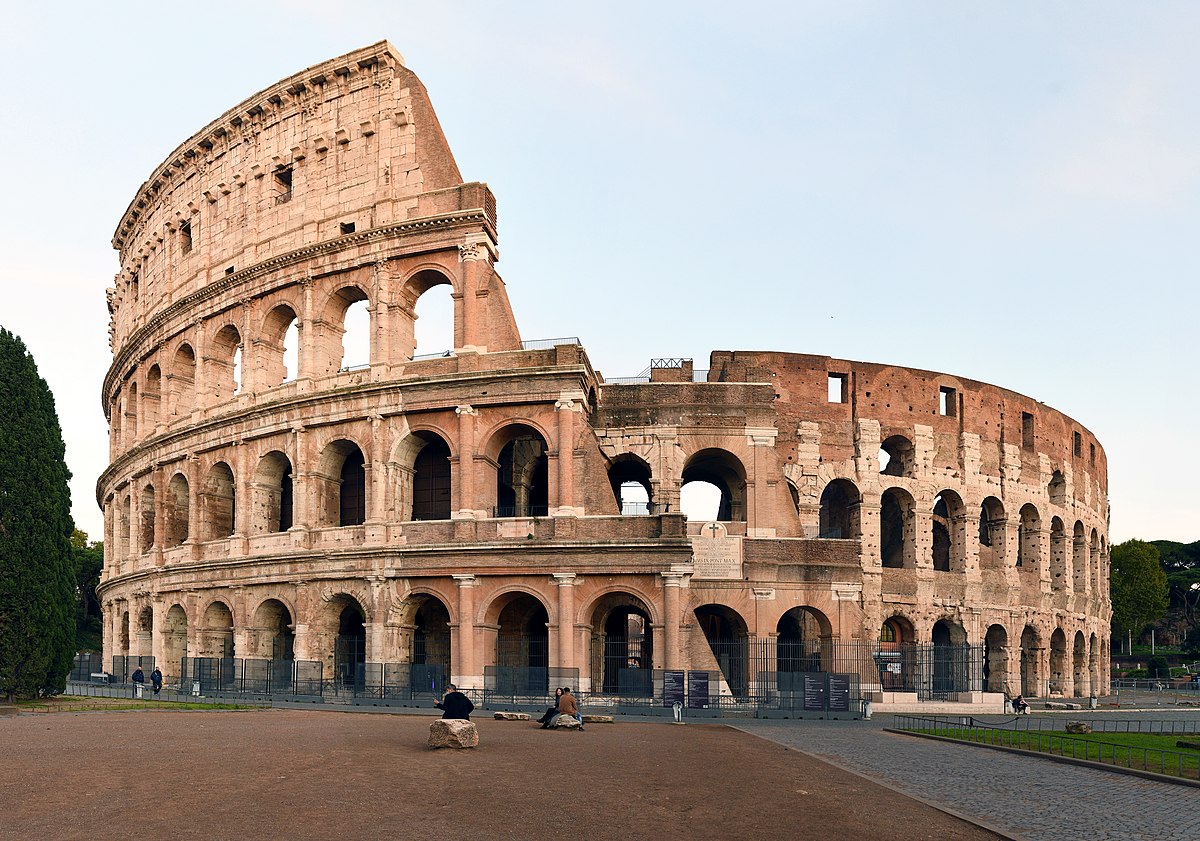
The heart of ancient Rome, including the Colosseum, Forum, Pantheon, and countless other monuments.
Why Visit: Walk through 3,000 years of history in one city Duration: Minimum 3-4 days Best Time: April-May or Sept-Oct
2. Historic Centre of Florence
Renaissance art and architecture concentrated in a compact medieval cityscape.
Why Visit: Uffizi, David, Duomo - art history in real life Duration: 2-3 days Best Time: May or September
3. Venice and its Lagoon
Unique island city built on water, with canals, palaces, and timeless charm.
Why Visit: Nowhere else like it on Earth Duration: 2-3 days Best Time: May, June, September (avoid summer crowds)
4. Pompeii & Herculaneum
Ancient Roman cities frozen in time by Mount Vesuvius eruption (79 AD).
Why Visit: Best-preserved Roman daily life anywhere Duration: Full day Best Time: Early morning or late afternoon
5. Historic Centre of Siena
Perfect medieval city with stunning Piazza del Campo and Gothic cathedral.
Why Visit: More authentic than Florence, Palio horse race Duration: 1 day Best Time: June or August (Palio races)
6. Valley of the Temples, Agrigento
Best-preserved Greek temples outside Greece, dramatically set above the sea.
Why Visit: Sunset at Temple of Concordia is magical Duration: Half day Best Time: Spring (wildflowers) or autumn
7. Amalfi Coast
Dramatic coastline with colorful villages clinging to cliffs.
Why Visit: Breathtaking scenery, limoncello, coastal hikes Duration: 2-3 days Best Time: May-June or September
8. Cinque Terre
Five colorful fishing villages on the Ligurian coast, connected by scenic hiking trails.
Why Visit: Postcard-perfect coastal villages, excellent hiking Duration: 2 days Best Time: May or September (avoid summer crush)
9. Dolomites
Dramatic mountain landscape with unique rock formations and alpine culture.
Why Visit: Hiking, skiing, incredible scenery Duration: 3-7 days Best Time: June-September (hiking), December-March (skiing)
10. Trulli of Alberobello
Unique conical-roofed houses in Puglia, creating a fairytale townscape.
Why Visit: Nowhere else has these unique structures Duration: Half day Best Time: Spring or autumn
UNESCO Sites by Type
Ancient Roman Heritage
- Rome (Colosseum, Forum, Pantheon)
- Pompeii & Herculaneum
- Villa Adriana (Tivoli)
- Aquileia
- Syracuse
Renaissance Masterpieces
- Florence
- Urbino
- Pienza
- Ferrara
- Mantua
Medieval Towns
- Siena
- San Gimignano
- Assisi
- Verona
- Cividale del Friuli
Religious Architecture
- Vatican City
- Assisi (St. Francis Basilica)
- Padua’s Scrovegni Chapel
- Late Baroque Towns of Val di Noto (Sicily)
Natural Sites
- Dolomites
- Mount Etna
- Aeolian Islands
- Cilento National Park
- Ancient Beech Forests
Planning Your UNESCO Journey
Suggested Itineraries
Classic Italy Circuit (2 weeks)
- Rome (4 days) → 2. Florence (3 days) → 3. Cinque Terre (2 days) → 4. Venice (3 days) → 5. Verona (1 day) → 6. Milan (1 day)
UNESCO Sites: 6-8 sites
Southern Italy & Sicily (2 weeks)
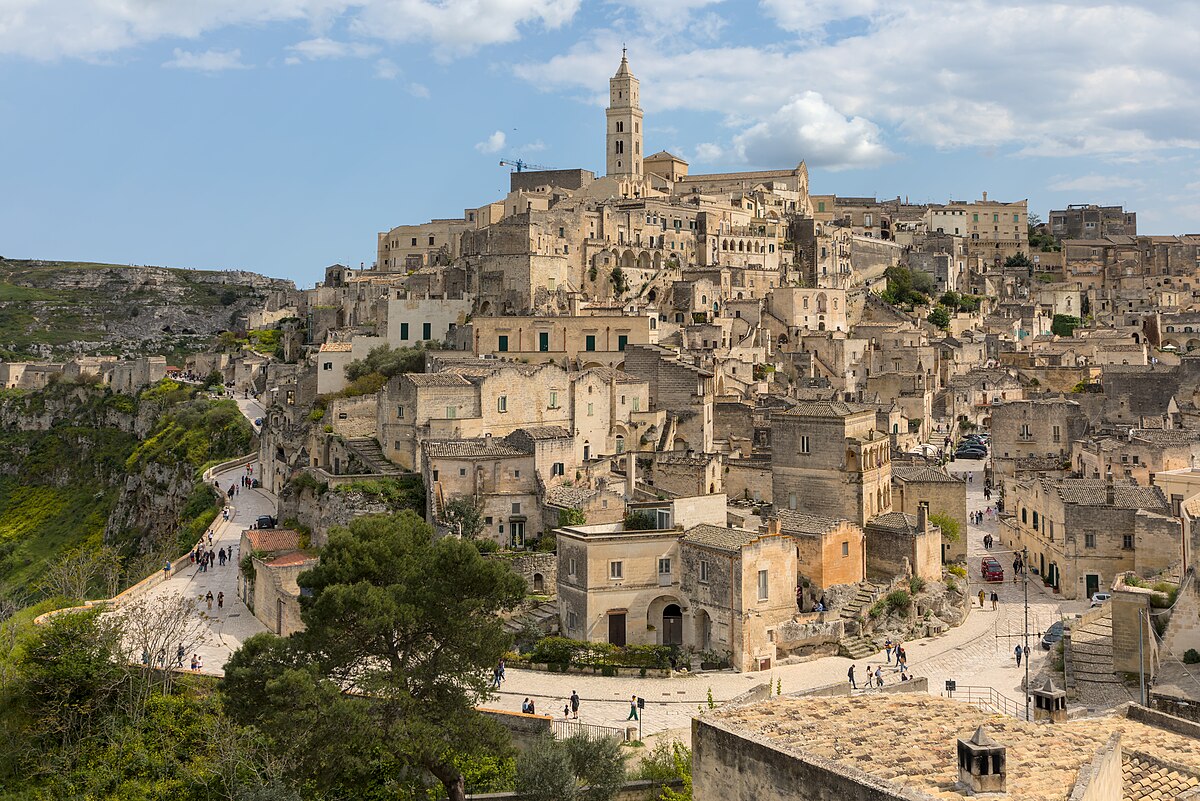
- Naples (2 days) → 2. Pompeii (1 day) → 3. Amalfi Coast (3 days) → 4. Matera (2 days) → 5. Alberobello (1 day) → 6. Sicily (5 days: Palermo, Agrigento, Villa Romana, Syracuse)
UNESCO Sites: 8-10 sites
Art Lover’s Italy (10 days)
- Rome (3 days) → 2. Assisi (1 day) → 3. Florence (3 days) → 4. Siena (1 day) → 5. Venice (2 days)
UNESCO Sites: 5-7 sites
Little-Known UNESCO Gems
Crespi d’Adda (Lombardy)
Perfectly preserved 19th-century workers’ village - imagine visiting in 1900!
Sacri Monti (Piedmont & Lombardy)
Nine “Sacred Mountains” with Renaissance chapels and frescoes in mountain settings.
Longobards Places of Power (568-774 AD)
Seven locations showing Lombard architecture and culture.
Vineyard Landscape of Langhe-Roero (Piedmont)
Rolling hills of Barolo wine country.
Medici Villas and Gardens (Tuscany)
12 villas and 2 gardens designed for the Medici family.
Practical Tips
UNESCO Site Passes
- Roma Pass: Covers Rome’s UNESCO sites + transport
- Firenze Card: All Florence museums + skip lines
- Campania Artecard: Naples area sites + transport
Money-Saving Tips
- First Sundays: Many state sites free (very crowded!)
- EU Citizens Under 25: Reduced rates at state sites
- Combined Tickets: Pompeii + Herculaneum combo saves money
- Off-Season: Lower prices November-March
Booking Ahead
Must Book in Advance:
- Last Supper, Milan (weeks ahead)
- Uffizi Gallery, Florence
- Borghese Gallery, Rome
- Scrovegni Chapel, Padua
Recommended to Book:
- Colosseum underground + arena
- Vatican Museums
- Pompeii (high season)
Accessibility
Many UNESCO sites have limited accessibility due to their age. Check ahead if mobility is a concern:
- Good Access: Vatican Museums, most museums
- Challenging: Cinque Terre hiking, Amalfi Coast
- Very Limited: Pompeii (ancient streets), Venice (bridges)
UNESCO Sites by Year Inscribed
1979 (Italy’s First UNESCO Sites)
- Rock Drawings in Valcamonica
- Church and Dominican Convent of Santa Maria delle Grazie (Milan)
1980
- Historic Centre of Rome
- Historic Centre of Florence
Most Recent (2021-2023)
- Bologna Porticoes (2021)
- Padua’s Fresco Cycles (2021)
- Via Appia Regina Viarum (2024)
Visiting Responsibly
Overtourism Concerns
Some sites face pressure from too many visitors:
- Venice: Consider visiting Burano, Murano instead of just San Marco
- Cinque Terre: Hike early morning or late afternoon
- Florence: Visit off-season, explore beyond Duomo area
- Amalfi Coast: Stay in Ravello or Vietri sul Mare vs. Positano
Sustainable Tourism
- Use public transport when possible
- Support local businesses
- Respect dress codes in religious sites
- Don’t touch ancient structures
- Book official guides (supports local economy)
Frequently Asked Questions
Q: Can I visit all 59 UNESCO sites in one trip? A: Theoretically yes, but you’d need 2-3 months and miss the point - quality over quantity!
Q: Which region has the most UNESCO sites? A: Lazio and Tuscany (each with 7-10 sites depending on how you count)
Q: Are UNESCO sites always touristy? A: No! Sites like Crespi d’Adda, Sacri Monti, and Langhe vineyards are peaceful
Q: Do I need a guide? A: Not required, but highly recommended for sites like Pompeii, Roman Forum, and the Colosseum
Q: What’s the newest UNESCO site? A: Via Appia (Ancient Appian Way), inscribed in 2024
Conclusion
Italy’s 59 UNESCO World Heritage Sites represent the pinnacle of human creativity, from ancient Roman engineering to Renaissance art to dramatic natural landscapes. Whether you have a week or a year, exploring these sites offers endless discovery.
Pro Tip: Don’t try to see them all at once. Pick a region, go deep, and save the others for return visits. Italy rewards those who take their time.
Explore by Category:
Explore by Region:
Dr. Giuseppe Rossi
Italian Heritage Specialist
PhD in Art History from La Sapienza University with 20+ years of experience documenting Italy's cultural heritage. Giuseppe has contributed to UNESCO World Heritage nominations and specializes in Roman architecture and Renaissance art.
Expertise
Related Articles
 UNESCO Sites
Hidden Gems: 10 Lesser-Known Heritage Sites in Italy (Away from the Crowds)
While millions flock to Rome and Florence, Italy harbors extraordinary UNESCO sites that see only a fraction of the crowds. Discover 10 hidden treasures worth the detour.