Hidden Gems: 10 Lesser-Known Heritage Sites in Italy (Away from the Crowds)
While millions flock to Rome and Florence, Italy harbors extraordinary UNESCO sites that see only a fraction of the crowds. Discover 10 hidden treasures worth the detour.
Hidden Gems: Lesser-Known Heritage Sites in Italy
While millions flock to Rome, Florence, and Venice, Italy harbors extraordinary heritage sites that see only a fraction of the crowds. Here are 10 hidden treasures worth the detour.
1. Villa d’Este, Tivoli (Lazio)
UNESCO Site | 45 minutes from Rome
What Makes It Special: While everyone visits Tivoli’s famous Villa Adriana, the Renaissance Villa d’Este next door is equally spectacular - and far quieter.
Highlights:
- 100+ fountains in terraced gardens
- Oval Fountain with water organ
- Avenue of a Hundred Fountains
- Incredible views over Roman countryside
Why It’s Overlooked: Overshadowed by its more famous neighbor (Hadrian’s Villa)
Best Time: Spring (gardens in bloom) or early morning weekdays
Pro Tip: Combine both villas in one day trip from Rome
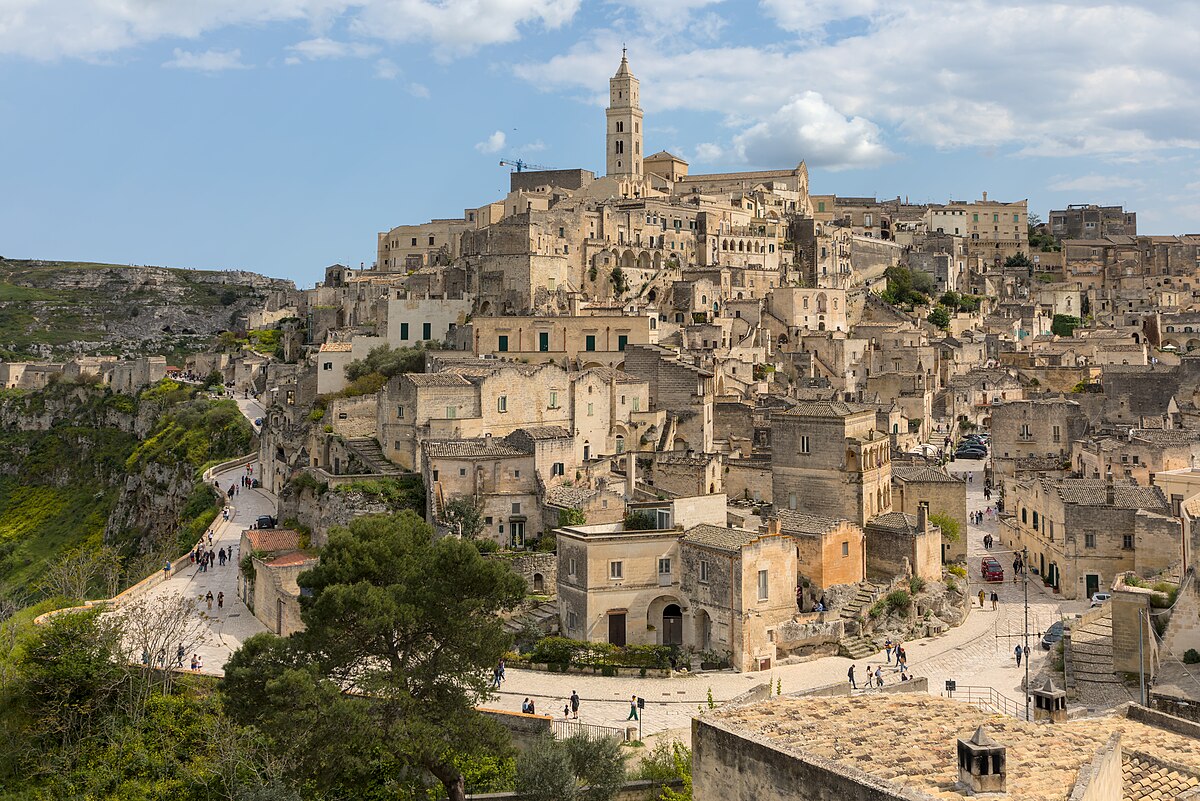
2. Matera’s Sassi (Basilicata)
UNESCO Site | Southern Italy
What Makes It Special: Ancient cave dwellings carved into limestone cliffs, continuously inhabited for 9,000 years.
Highlights:
- Stay overnight in a cave hotel
- Rock churches with Byzantine frescoes
- Sassi di Matera panorama at sunset
- 2019 European Capital of Culture
Why It’s Overlooked: Remote location in Italy’s “instep”
Best Time: Spring or fall (very hot in summer)
Pro Tip: Matera makes a perfect 2-day stop between Puglia and Amalfi Coast
3. Urbino (Marche)
UNESCO Site | Central Italy
What Makes It Special: Perfect Renaissance city, birthplace of Raphael, virtually untouched since the 16th century.
Highlights:
- Ducal Palace - Renaissance architectural masterpiece
- Raphael’s House - artist’s birthplace
- Panoramic fortress views
- University town atmosphere (affordable dining!)
Why It’s Overlooked: Off main tourist routes, requires effort to reach
Best Time: May-June or September
Pro Tip: Combine with San Marino (30 minutes away)
4. Crespi d’Adda (Lombardy)
UNESCO Site | Near Milan
What Makes It Special: 19th-century “ideal workers’ village” - a perfectly preserved company town from the Industrial Revolution.
Highlights:
- Complete planned community (1878-1920s)
- Workers’ homes, factory, church, school - all preserved
- Step back into 1900s Italy
- Free to walk around village
Why It’s Overlooked: Industrial heritage less “sexy” than Renaissance art
Best Time: Any weekday (quieter)
Pro Tip: Easy day trip from Milan, combine with Bergamo
5. Sabbioneta (Lombardy)
UNESCO Site | Po River Valley
What Makes It Special: The “Ideal City” - Renaissance urban planning brought to life by Duke Vespasiano Gonzaga.
Highlights:
- Intact Renaissance star-fort walls
- Teatro all’Antica - oldest surviving Renaissance theatre
- Palazzo Ducale - intimate ducal palace
- Almost no tourists!
Why It’s Overlooked: Small town, agricultural area, far from major cities
Best Time: Spring or autumn
Pro Tip: Combine with nearby Mantua (another UNESCO site)
6. Sacri Monti (Piedmont & Lombardy)
UNESCO Site | Northern Alps
What Makes It Special: Nine “Sacred Mountains” with chapels containing frescoes and sculptures set in dramatic alpine locations.
Highlights:
- Sacro Monte di Varallo - 45 chapels, 800+ life-size figures
- Peaceful mountain hikes between chapels
- Renaissance art in wilderness setting
- Each chapel tells biblical stories
Why It’s Overlooked: Scattered locations, hiking required
Best Time: Late spring to early fall (mountain weather)
Pro Tip: Sacro Monte di Orta is easiest to reach (near Lake Orta)
7. Aquileia (Friuli-Venezia Giulia)
UNESCO Site | Northeast Italy
What Makes It Special: Once Rome’s 4th largest city, now a quiet town with extraordinary archaeological treasures.
Highlights:
- Basilica floor - largest early Christian mosaic (760 sqm!)
- Ancient Roman port and forum
- Archaeological museum with stunning glass collection
- Practically deserted
Why It’s Overlooked: Remote northeast corner near Slovenia
Best Time: Spring or autumn
Pro Tip: Combine with Trieste (45 min) and Slovenian coast
8. Alberobello Trulli (Puglia)
UNESCO Site | Heel of Italy’s Boot
What Makes It Special: 1,500 trulli (conical-roofed houses) creating a fairytale townscape unique in the world.
Highlights:
- Rione Monti - densest trulli neighborhood
- Stay in a trullo overnight
- Trullo Sovrano - two-story trullo museum
- Excellent local wine
Why It’s Overlooked: Southern Italy gets fewer visitors than north
Best Time: May-June or September-October
Pro Tip: Visit early morning before tour buses arrive
9. Padua’s Scrovegni Chapel (Veneto)
UNESCO Site | 40 min from Venice
What Makes It Special: Giotto’s masterpiece - the Sistine Chapel of the early Renaissance.
Highlights:
- Complete fresco cycle by Giotto (1305)
- Only 25 people allowed per 15-minute session
- Blue ceiling with golden stars
- Revolutionary art that influenced the Renaissance
Why It’s Overlooked: Venice steals all the attention
Best Time: Book weeks ahead (very limited entry)
Pro Tip: Visit Padua’s botanical garden (world’s oldest) same day
10. Langhe Wine Region (Piedmont)
UNESCO Site | Northwest Italy
What Makes It Special: Rolling vineyard landscape producing Barolo and Barbaresco wines - Italy’s answer to Tuscany but far quieter.
Highlights:
- Medieval hilltop villages (La Morra, Barolo, Barbaresco)
- Wine tastings in family cellars
- White truffles (October-December)
- Hazelnut groves (Nutella country!)
Why It’s Overlooked: Tuscany’s fame overshadows everywhere else
Best Time: September-October (harvest and truffle season)
Pro Tip: Base in Alba, explore by rental car
Honorable Mentions
Villa Romana del Casale (Sicily)
Most spectacular Roman mosaics anywhere, including the famous “Bikini Girls.”
Modena (Emilia-Romagna)
Stunning Romanesque cathedral and town square, plus balsamic vinegar heritage.
Cividale del Friuli (Friuli-Venezia Giulia)
Lombard heritage site with Devil’s Bridge and 8th-century Tempietto Longobardo.
Cilento National Park (Campania)
Greek temples at Paestum + beautiful coastal park - Amalfi Coast without crowds.
Bologna’s Porticoes
38 km of arcaded walkways - UNESCO’s newest Italian site (2021).
Why Visit Lesser-Known Sites?
1. No Crowds
Explore at your own pace without fighting for photos or waiting in lines.
2. Better Value
Lower prices for accommodation, dining, and often free entry to sites.
3. Authentic Experiences
Meet locals who aren’t jaded by mass tourism, experience real Italian life.
4. Support Sustainable Tourism
Your visit helps preserve lesser-known heritage and supports small communities.
5. Unique Stories
Discover history and art that deserve attention but lack marketing budgets.
Planning Tips for Hidden Gems
Transportation
- Car Rental: Essential for Langhe, Sacri Monti, some others
- Regional Trains: Connect most cities (slower but scenic)
- Day Tours: Some hidden sites offer tours from major cities
Accommodation
- Agriturismi: Farm-stay accommodation (authentic + affordable)
- Boutique Hotels: Better value than Florence/Rome equivalents
- Trulli Hotels: Unique experience in Alberobello
Language
- Less English spoken than tourist hotspots
- Google Translate essential
- Locals appreciate any Italian attempt
Timing
- Many sites close Mondays
- Smaller towns quiet on Sundays
- Check regional holidays
Sample “Hidden Italy” Itinerary (10 Days)
Day 1-2: Milan → Crespi d’Adda (day trip) Day 3: Sabbioneta + Mantua Day 4-5: Padua (Scrovegni Chapel) + Vicenza Day 6: Aquileia + Trieste Day 7-8: Matera (flight from Venice) Day 9: Alberobello Day 10: Bari (departure)
UNESCO Sites Visited: 7 Major Tourist Crowds: 0
Comparison: Hidden Gems vs. Famous Sites
| Aspect | Famous Sites | Hidden Gems |
|---|---|---|
| Crowds | Heavy, especially summer | Light to none |
| Prices | Premium | Moderate to low |
| Booking | Weeks ahead required | Often walk-in OK |
| Photos | People in every shot | Empty scenes |
| Local Life | Tourist-oriented | Authentic |
| English | Widely spoken | Basic/limited |
| Transport | Easy, frequent | Requires planning |
Conclusion
Italy’s hidden heritage sites offer something the famous destinations can’t: space to breathe, prices that won’t break the bank, and the thrill of discovery. While everyone’s uploading the same Colosseum photos, you could be exploring a Renaissance ideal city, Byzantine cave churches, or fairytale trulli houses - all UNESCO-quality, none of the chaos.
The Best Part: You’ll come home with stories that begin with “You’ve never heard of it, but…” - always more interesting than “We saw the Colosseum too!”
Start Exploring:
Practical Resources:
- UNESCO Italia - Official Italian UNESCO commission
- Borghi più Belli d’Italia - Italy’s most beautiful villages
- FAI - Italian heritage conservation
Dr. Giuseppe Rossi
Italian Heritage Specialist
PhD in Art History from La Sapienza University with 20+ years of experience documenting Italy's cultural heritage. Giuseppe has contributed to UNESCO World Heritage nominations and specializes in Roman architecture and Renaissance art.