Complete Guide to the Colosseum: History, Visiting Tips & Hidden Details
The Colosseum receives over 7 million visitors annually. Here's how to experience Rome's iconic monument properly—without the crowds and tourist traps.
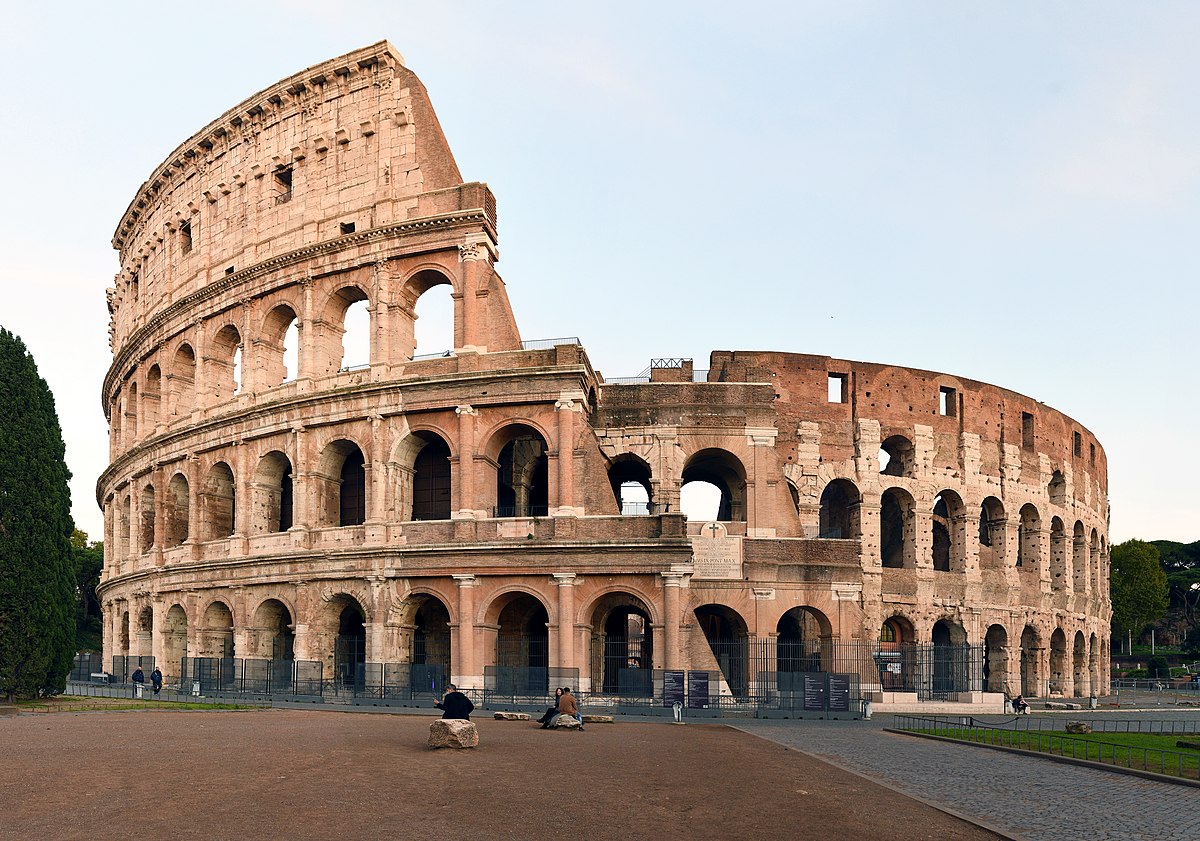
Complete Guide to the Colosseum
The Colosseum, Rome’s most iconic monument, stands as a testament to the grandeur of ancient Rome. This complete guide covers everything from its fascinating history to practical tips for your visit.
History & Significance
Construction & Purpose
Built between 72-80 AD under emperors Vespasian and Titus, the Colosseum (originally called the Flavian Amphitheatre) could hold 50,000-80,000 spectators. It hosted gladiatorial contests, animal hunts, mock naval battles, and public spectacles for nearly 400 years.
Architectural Marvel
- Innovative Design: First amphitheatre to use the full range of classical orders (Doric, Ionic, Corinthian)
- Advanced Engineering: Complex system of underground tunnels (hypogeum) for staging events
- Crowd Management: 80 entrances allowed the entire Colosseum to be filled or evacuated in minutes
UNESCO World Heritage
Inscribed in 1980 as part of the Historic Centre of Rome, the Colosseum is one of Italy’s 58 UNESCO sites.
Planning Your Visit
Tickets & Timing
Best Times to Visit:
- Early morning (8:30-10:00 AM) for fewer crowds
- Late afternoon (4:00 PM onwards) for golden hour photography
- Off-season (November-February) for smaller crowds
Ticket Options:
- Standard Ticket (€16): Colosseum, Roman Forum, Palatine Hill - valid 24 hours
- Full Experience (€22): Includes arena floor and underground
- Night Tours (Summer only): Experience the Colosseum illuminated
Pro Tip: Book online at least 1-2 weeks in advance to skip long queues!
What to See
Must-See Areas
- Arena Floor: Stand where gladiators fought
- Underground (Hypogeum): Explore tunnels where animals and fighters awaited
- Upper Levels: Best views of the structure and Rome skyline
- Gladiator’s Gate: The entrance through which fighters entered
Hidden Details
- Look for holes in the stone - these held the bronze clamps that connected blocks
- The cross commemorates Christian martyrs (though modern historians debate this)
- Notice the different types of stone: travertine exterior, tuff infill, brick-faced concrete
Practical Tips
Getting There
- Metro: Line B to Colosseo station (1 minute walk)
- Bus: Lines 51, 75, 85, 87, 118
- Walking: 15 minutes from Piazza Venezia
What to Bring
✅ Do Bring:
- Water bottle (fountains available for refills)
- Sunscreen and hat (limited shade)
- Comfortable walking shoes
- Camera (photography allowed)
❌ Don’t Bring:
- Large bags or backpacks (€6 storage fee)
- Tripods (not permitted)
- Food and drinks (except water)
Visiting Tips
- Combine with Roman Forum & Palatine Hill: Your ticket includes all three - allocate 4-5 hours total
- Audio Guide: Worth the €6 for historical context
- Guided Tours: Consider a 2-3 hour tour for deeper insights
- Accessibility: Elevator access available for visitors with mobility issues
- Avoid Street Vendors: Book official tours only
Nearby Attractions
After the Colosseum, explore:
- Roman Forum (included in ticket) - ancient Rome’s commercial center
- Palatine Hill (included in ticket) - birthplace of Rome with imperial palaces
- Arch of Constantine (free) - triumphal arch next to Colosseum
- Domus Aurea (separate ticket) - Nero’s Golden House
Best Photo Spots
- Via dei Fori Imperiali: Classic frontal view
- Via Nicola Salvi: Upper levels from outside
- Oppian Hill Park: Elevated view away from crowds
- Inside Arena Floor: Dramatic arches and underground
- Sunset from Palatine Hill: Colosseum with golden light
When to Avoid
- Avoid Sundays: Free entrance = massive crowds
- Skip Peak Summer (July-August): Extreme heat and crowds
- Watch for Strikes: Check ahead for transport strikes
Interesting Facts
- Over 500,000 people and 1 million animals died in the Colosseum
- It was built in just 8 years
- The name “Colosseum” comes from a colossal statue of Nero that once stood nearby
- Two-thirds of the original structure has been destroyed by earthquakes and stone-robbers
- It inspired the design of modern sports stadiums
Conclusion
The Colosseum is more than just an ancient ruin - it’s a window into the engineering prowess, social structure, and entertainment culture of ancient Rome. With proper planning and these tips, your visit will be both educational and memorable.
Estimated Visit Duration: 1.5-2 hours (standard), 3 hours (with underground/arena), 4-5 hours (combined with Forum/Palatine)
Related Sites:
Official Website: https://parcocolosseo.it
Prof. Luca Ferrari
Italian History Professor
Professor of Ancient History at the University of Rome with expertise in Roman ruins, ancient sites, and archaeological discoveries. Luca has published extensively on Italy's ancient heritage.
Expertise
Related Articles
 Travel Guides
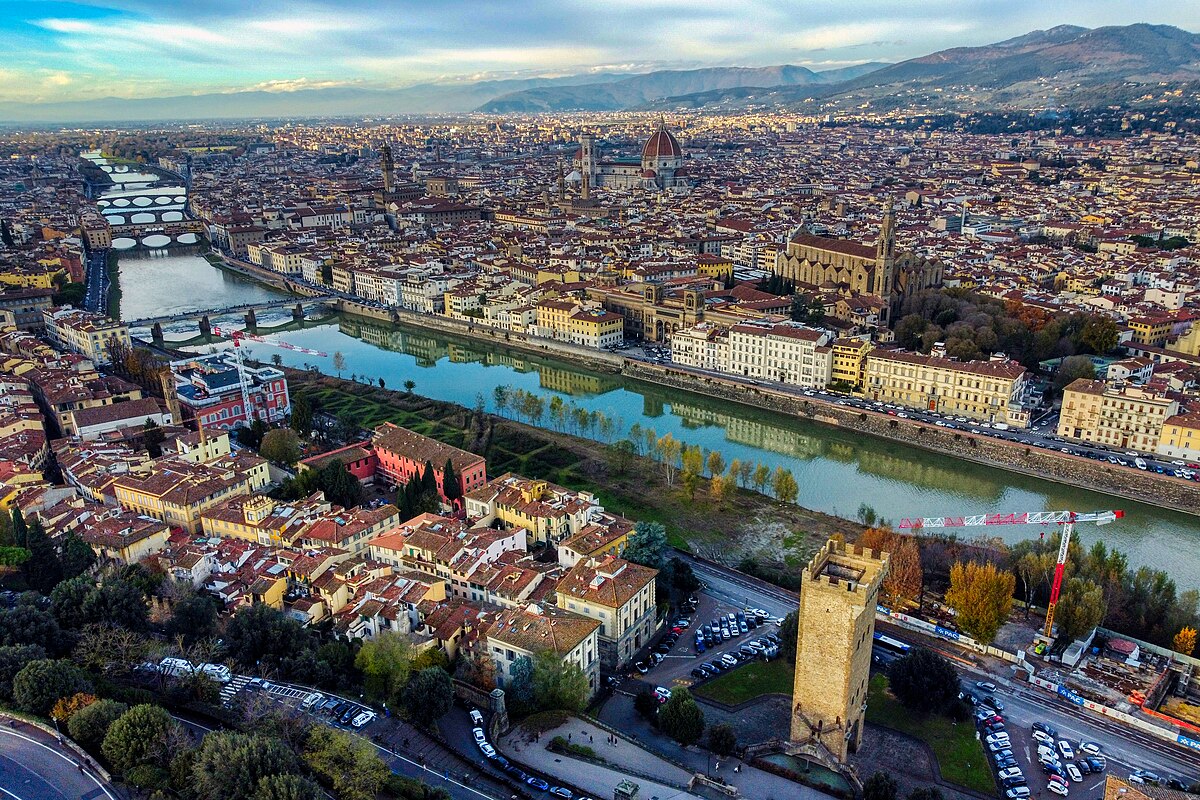
Florence in 3 Days: The Ultimate Renaissance Art & Architecture Itinerary
Florence, the birthplace of the Renaissance, packs centuries of masterpieces into a walkable historic center. Here's how to experience the best in just 3 days.
Travel GuidesUNESCO World Heritage Sites in Italy: Complete Guide to All 59 Sites
With 59 UNESCO World Heritage Sites, Italy holds more than any other country. From the Colosseum to the Dolomites, here's your complete guide to Italy's treasures.
 Travel Guides
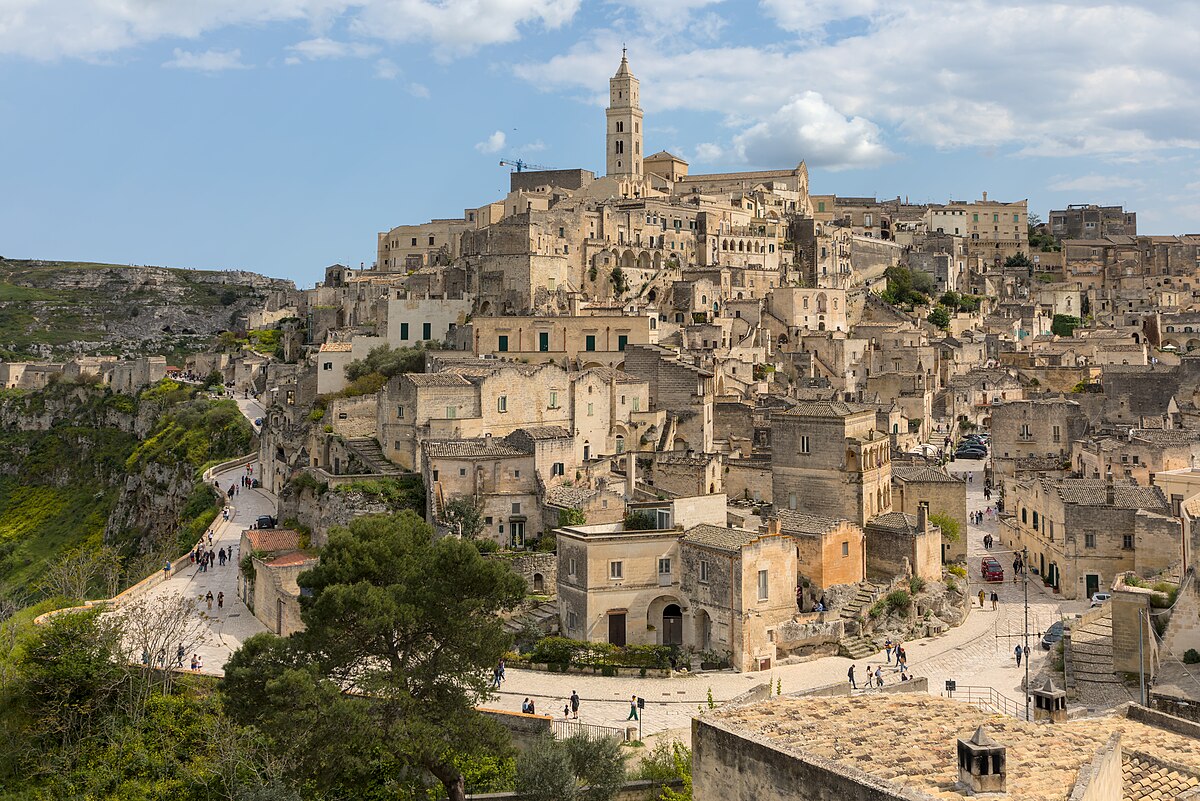
Hidden Gems: 10 Lesser-Known Heritage Sites in Italy (Away from the Crowds)
While millions flock to Rome and Florence, Italy harbors extraordinary UNESCO sites that see only a fraction of the crowds. Discover 10 hidden treasures worth the detour.